A Tokyo consortium will install a modular data center beneath an elevated railway section in 2026 to test whether compact server infrastructure can operate reliably in space-constrained urban environments with severe thermal and vibration challenges.
A consortium of four Tokyu Group companies announced on March 23 that it will install a modular data center beneath an elevated section of the Oimachi Line in Tokyo starting in June 2026, according to a press release published by PR Times. The trial aims to determine whether compact server infrastructure can operate reliably in the space under active railway overpasses, with all the environmental aspects that come with them, such as vibration and differing thermal conditions.
Tokyu Corporation, Tokyu Electric Railway, It's Communications Corporation, and Tokyu Construction are all participating. Tokyu Construction is developing the modular unit itself, Tokyu Electric Railway is providing the site beneath the elevated track, and It's Communications will supply fiber connectivity using optical cable already installed along the railway.
The modular unit packages servers, cooling, and power supply equipment into a container-sized enclosure that can be deployed without constructing a full building. The consortium plans to measure the server housing's sound insulation, thermal insulation, vibration isolation, and cooling performance under the specific environmental conditions of a railway overpass. Based on the results, it will assess whether the format is viable for deployment in other locations along the Tokyu network.
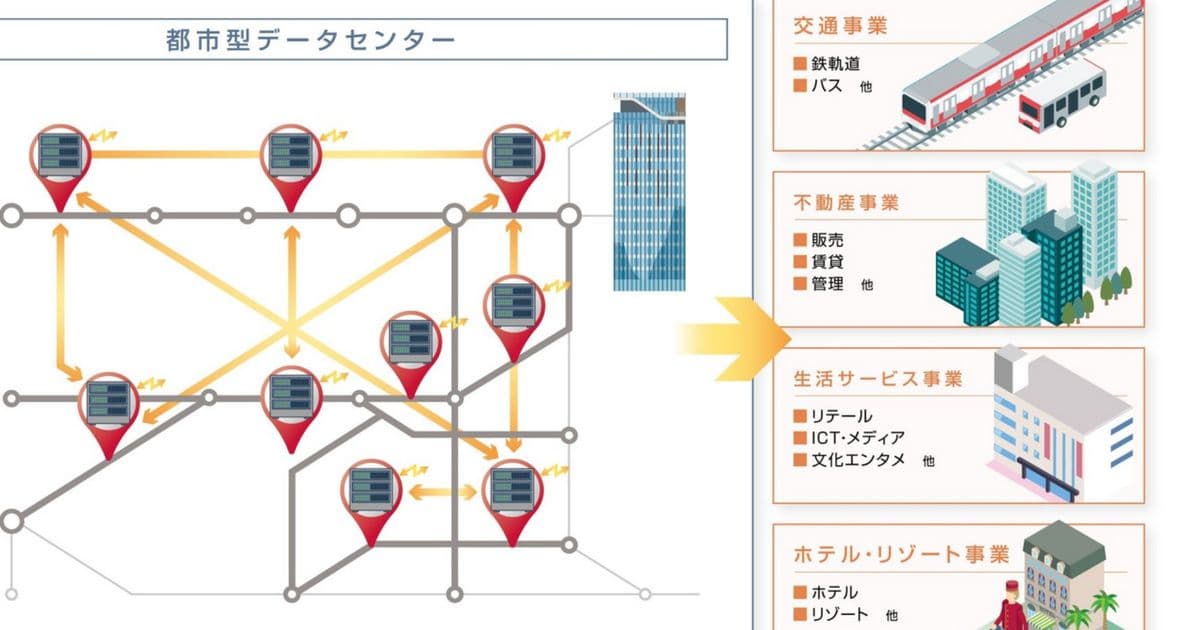
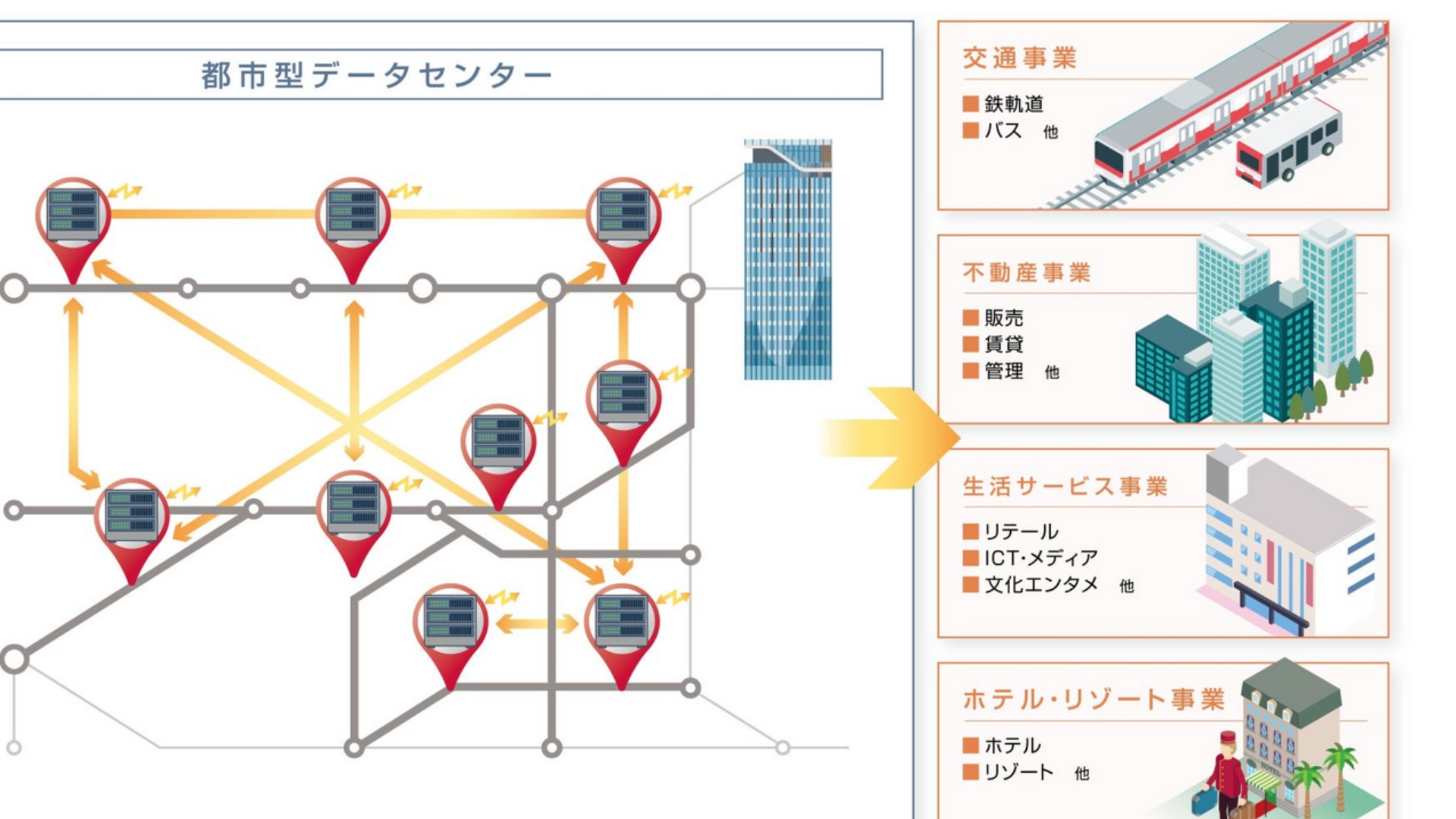
One advantage the consortium is banking on is the large-capacity optical fiber network that It's Communications has already built along Tokyu's rail lines. Rather than trenching new fiber to connect a facility, these under-track installations could tap directly into existing backbone infrastructure. The consortium also said it's considering future data center deployments across the broader Tokyu Line network, including in Shibuya, as part of a longer-term digital infrastructure strategy.
The experiment takes place against a backdrop of severe infrastructure challenges in Tokyo's data center market. Yasuo Suzuki, executive vice president and managing director for Japan and APAC at NTT Global Data Centers, told Data Center Knowledge in September 2025 that power grid connection wait times in inner Tokyo can stretch five to 10 years. Tokyo land prices rose 69% in 2024, according to Mordor Intelligence, and the city already has 132 operational data centers with at least 18 more under construction. Medium-sized facilities in Japan are growing at a 12% compound annual growth rate through 2031, according to the same research firm, outpacing larger builds because they can be deployed faster in constrained urban environments.
The railway overpass approach addresses multiple constraints simultaneously. First, it repurposes existing infrastructure without requiring new land acquisition in one of the world's most expensive real estate markets. Second, it leverages the optical fiber network already deployed along rail lines, eliminating the need for expensive new fiber construction. Third, the modular design allows for rapid deployment compared to traditional data center construction, which can take years in Tokyo's regulatory environment.
However, the environmental challenges are significant. Trains passing overhead create both vibration and acoustic noise that could affect server reliability. The thermal environment under an overpass varies with weather conditions and train activity, potentially creating hot spots or cold zones that challenge cooling systems. The consortium will need to demonstrate that servers can operate continuously without degradation despite these conditions.
If successful, this approach could provide a template for other dense urban areas facing similar constraints. The combination of existing fiber infrastructure, unused space beneath transportation networks, and modular data center technology creates a compelling solution for cities where traditional data center construction is impractical or prohibitively expensive.
The timing aligns with broader trends in edge computing and distributed infrastructure. As AI workloads and data processing requirements grow, the need for localized computing capacity increases. Urban areas particularly benefit from distributed data centers that can reduce latency and improve redundancy. The railway overpass concept could represent one viable model for achieving this distribution without the massive capital investment required for traditional facilities.
This experiment also reflects Japan's broader strategy to maintain technological competitiveness despite physical constraints. With limited land availability and strict building regulations, Japanese companies have historically been forced to innovate in how they deploy infrastructure. The railway overpass data center represents another example of this adaptive approach to urban technology deployment.
Comments
Please log in or register to join the discussion