Tokyo's waterfront redevelopment and commercial tower projects signal strategic investment to boost tourism revenue amid shifting visitor demographics.
The Tokyo Metropolitan Government is accelerating urban development projects worth over ¥180 billion ($1.2 billion) ahead of 2026, including a landmark fountain complex in Odaiba and multiple commercial towers, as Japan's capital positions itself for tourism's post-pandemic transformation. This infrastructure investment comes as Japan faces a projected 3% decline in foreign visitors in 2026, primarily due to reduced Chinese tourism, according to recent government forecasts.
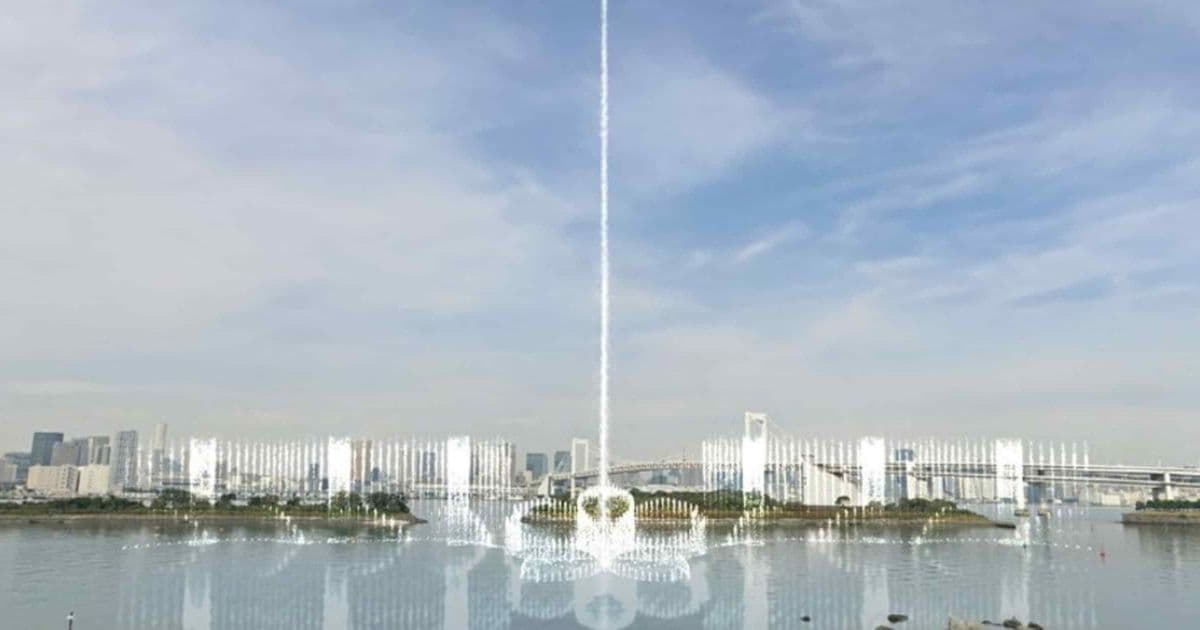
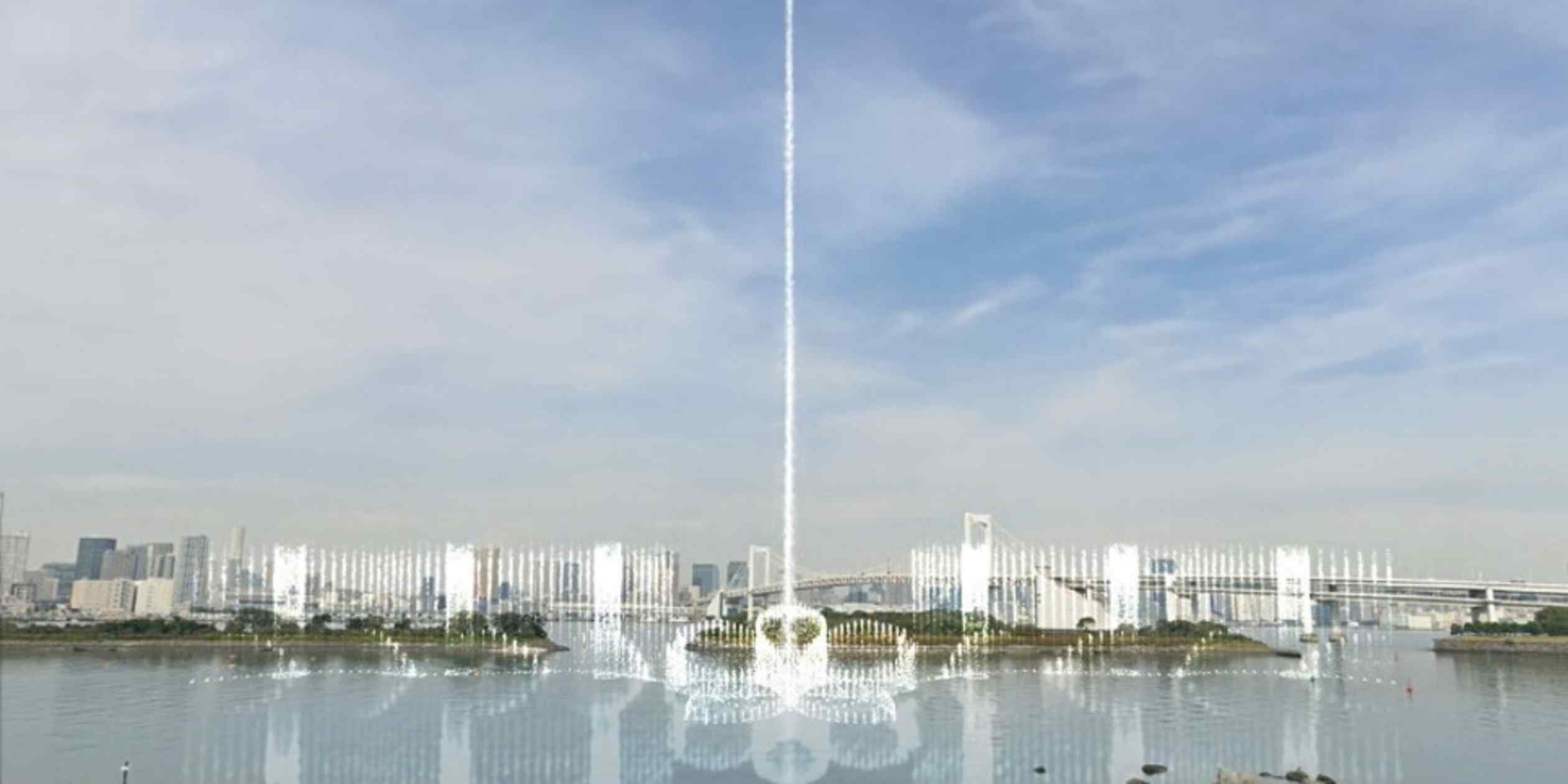
The centerpiece Odaiba Marine Park Fountain represents a ¥15 billion ($100 million) investment capable of projecting water patterns 300 meters wide. Scheduled for completion in March 2026, the fountain anchors a broader waterfront revitalization initiative designed to extend visitor dwell times in the artificial island district. Concurrently, developers are constructing three commercial towers in central Tokyo with combined retail and hospitality space exceeding 200,000 square meters, targeting high-value international travelers.
Market context reveals shifting tourism economics: While Japan welcomed 31 million visitors in 2025, generating ¥5.3 trillion ($35 billion) in revenue, the composition is changing. Chinese tourist numbers declined 18% year-over-year in Q4 2025, while spending from Southeast Asian and Australian visitors increased 22%. Luxury hotel rates in Tokyo now surpass New York and London, averaging ¥78,000 ($520) per night for premium properties.
Strategic implications for businesses:
- Revenue Diversification: Retailers in new commercial towers will target high-spending tourists from non-traditional markets as Chinese visitation cools.
- Infrastructure ROI: Tokyo's investment anticipates tourism contributing 7.2% to metropolitan GDP by 2030, up from 5.8% in 2025.
- Operational Shift: Suzuki's concurrent restructuring of India sales channels reflects broader corporate adaptation to regional tourism patterns.
- Capacity Management: Osaka's freeze on new short-term rental permits highlights regulatory balancing acts as cities manage tourism saturation.
The developments coincide with Japan's medical tourism pilot program near Narita Airport and localized hotel tax implementations across 30 municipalities. With Hokkaido's new accommodation levy projected to generate ¥3.5 billion ($23 million) annually, regional governments are monetizing tourism infrastructure while Tokyo positions itself as a premium destination.
Industry analysts note these projects represent calculated bets on experience-based tourism, with entertainment districts like Shibuya undergoing parallel transformations. As commercial tenants prepare for 2026 openings, leasing activity suggests hospitality groups anticipate 68% occupancy rates despite premium pricing, signaling confidence in Tokyo's repositioning strategy.
Comments
Please log in or register to join the discussion