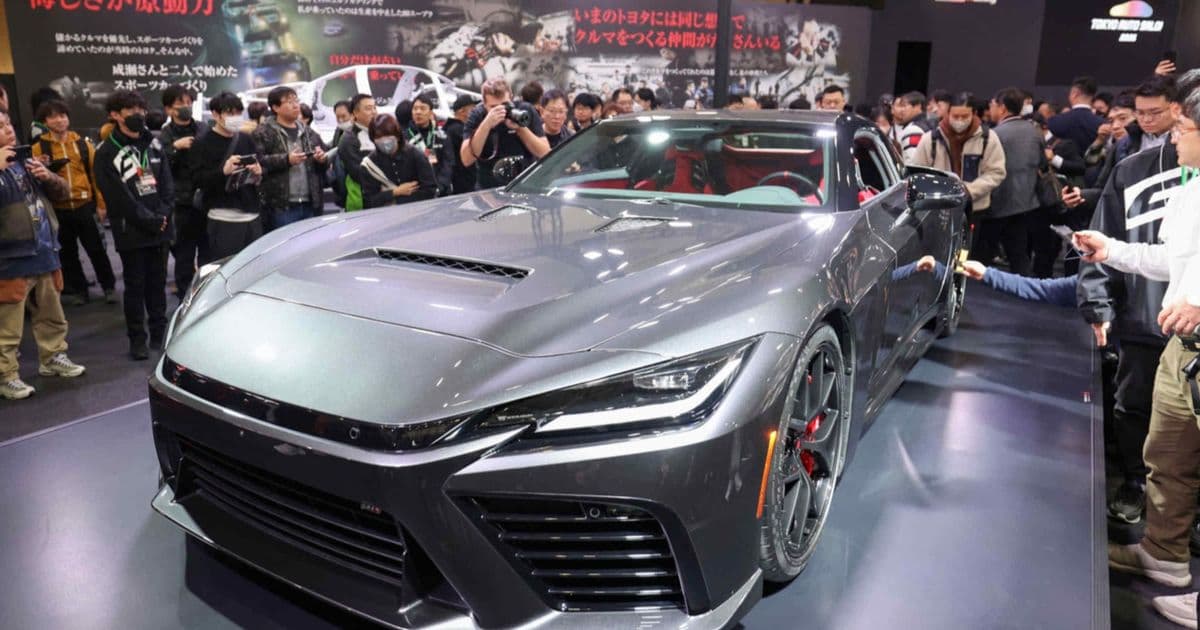
Toyota is restructuring its racing divisions to inject brand-defining individuality into production vehicles as CASE technologies accelerate industry homogenization.
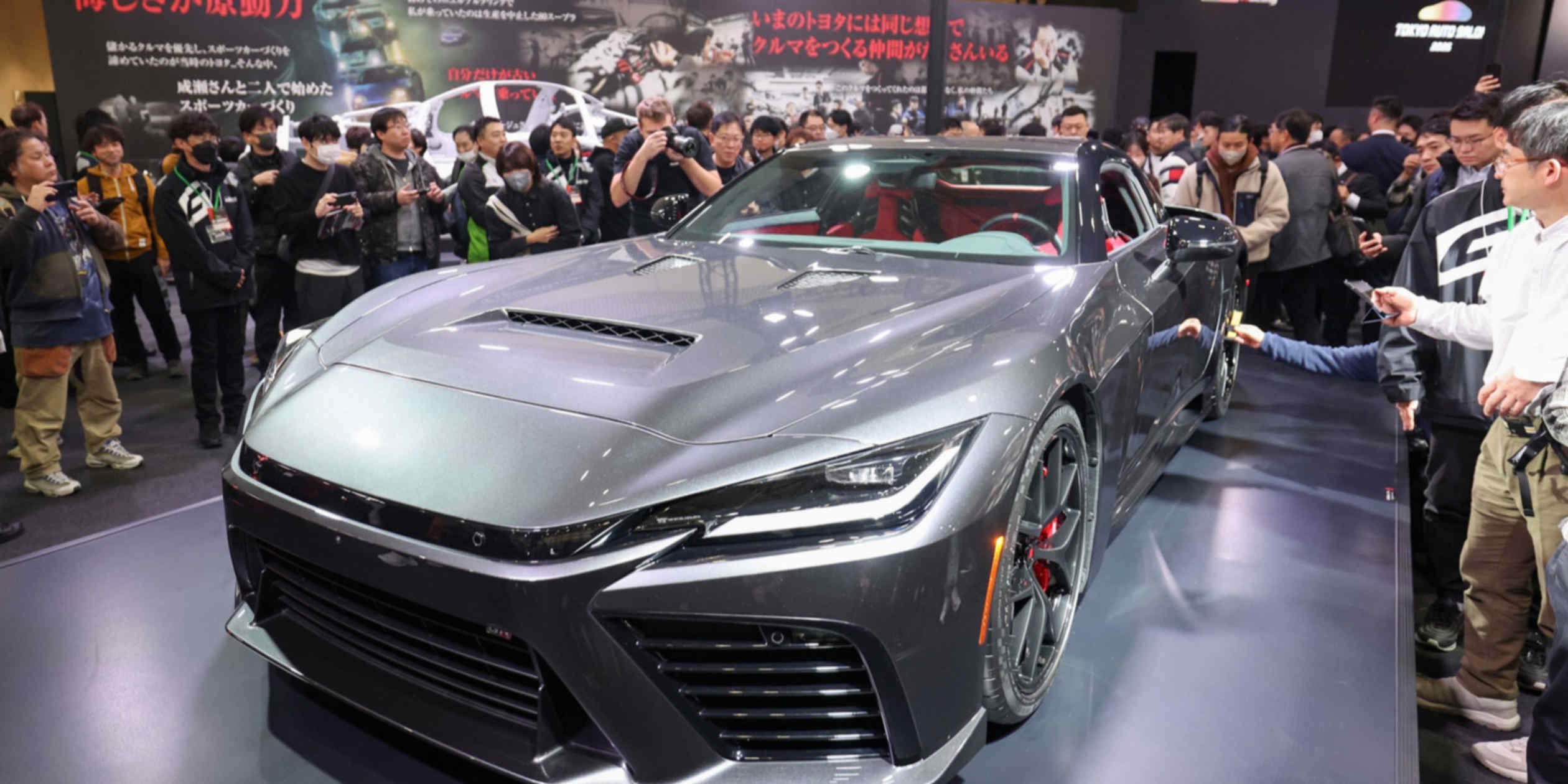
At the Tokyo Auto Salon 2026, Toyota Chairman Akio Toyoda framed the automaker's future in stark terms: "If we don't commit to a brand's flavor, automobiles will inevitably become commoditized." This declaration accompanied the strategic decoupling of Toyota's motor sports operations into two distinct divisions—Toyota Racing and Gazoo Racing—a move designed to counteract the industry's accelerating homogenization. The reorganization comes as Deloitte Tohmatsu Group reports 54% of Chinese, 44% of American, and 38% of Japanese consumers aged 18-34 now forgo car ownership entirely, relying instead on mobility services.
Under the new structure, Toyota Racing will concentrate on developing competition-grade powertrain technologies, while Gazoo Racing—reviving the name from Toyoda's personal 2007 racing endeavors—focuses on talent development and translating track innovations into customizable production models. "By separating the organizations, we want to create engines so good that other manufacturers want them," stated Executive Vice President Hiroki Nakajima, noting that consolidated operations had slowed innovation. The strategy manifests in vehicles like the GR Yaris Morizo RR showcased at the event, featuring track-derived aerodynamics and steering systems, alongside the forthcoming GR GT flagship sports car.
This bifurcation responds to alarming commoditization trends. Since Daimler popularized the CASE (Connected, Autonomous, Shared, Electric) framework in 2016, technological convergence has eroded brand differentiation. Meanwhile, the Resale Value Research Institute finds that among young buyers who do purchase vehicles, 32% prioritize pricing and 22% prioritize design—signaling that emotional appeal now outweighs specification sheets. "The essence of cars is to excite people and appeal to their emotions. That's their true value," emphasized Toyota President Koji Sato.
Financial projections underscore the opportunity: SkyQuest forecasts the global car modification market will reach $178.3 billion by 2033, nearly doubling from 2024 levels. Competitors are pursuing similar strategies, with Nissan showcasing Nismo concepts, Honda previewing Civic Type R variants, and Subaru introducing bold Levrog colorways. Toyota's institutional separation of racing disciplines aims to systematize the translation of motorsport-derived engineering—whether Nakajima's "winning engines" or chassis dynamics—into production vehicles with distinct driving characteristics.
The strategic calculus is clear. As Toyoda noted, industrial products inevitably trend toward commoditization without deliberate differentiation. By leveraging Gazoo Racing's grassroots customization ethos alongside Toyota Racing's technical advancements, the automaker is betting that vehicles imbued with track-proven personality can command premium pricing despite industry convergence. With $178 billion in modification spend at stake and generational ownership patterns shifting, Toyota's motorsport reboot represents a high-stakes engineering solution to an existential business challenge: manufacturing machines that compel emotional purchase decisions in a sea of indistinguishable mobility appliances.
Comments
Please log in or register to join the discussion