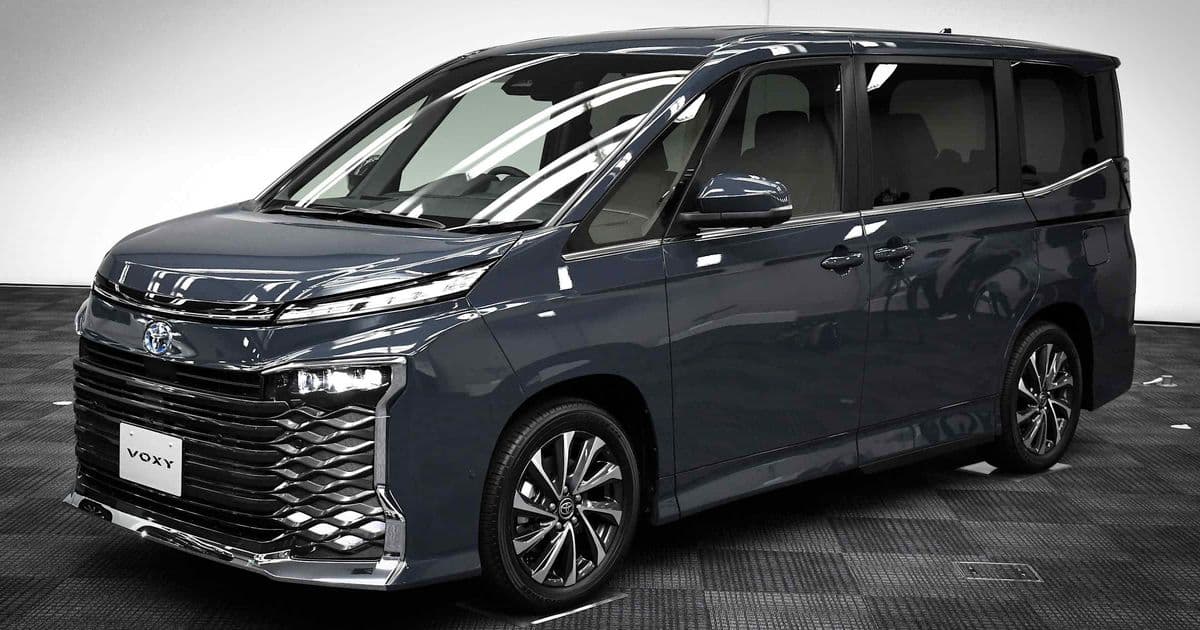
Toyota will begin shipping Taiwan‑assembled Noah and Voxy minivans to the Japanese market in October 2026, using a dedicated production line in Taiwan. The move reflects rising costs of domestic plant upgrades, intensifying competition from Chinese EV makers, and a broader trend of Japanese automakers leveraging overseas capacity to protect margins.
Toyota’s new export route
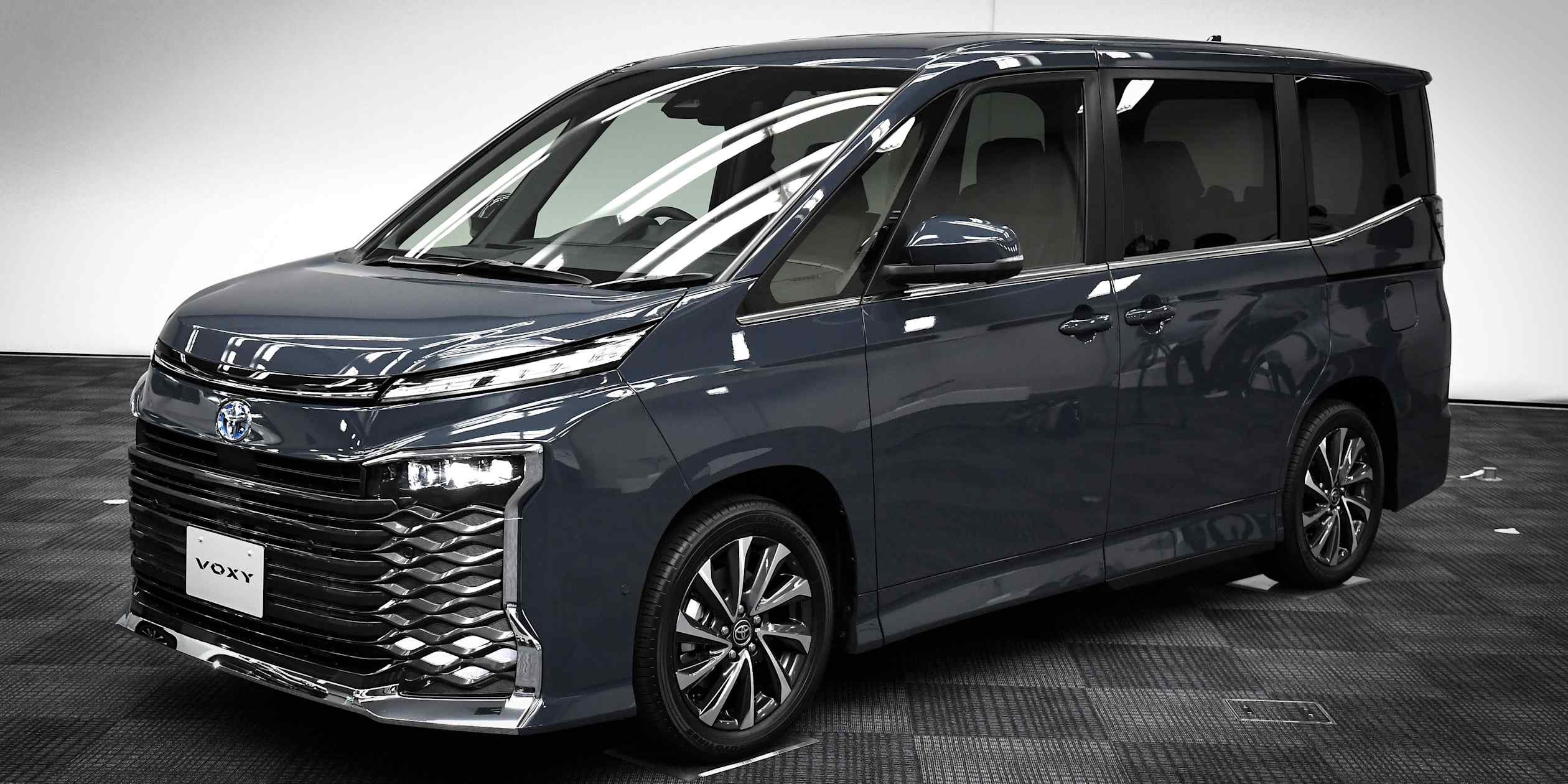
Toyota Motor announced that, starting in October 2026, it will import the Noah and Voxy minivans built at its Taiwan plant into Japan. The company has set up a dedicated assembly line in Taiwan that will produce roughly 120,000 units per year, split evenly between the two models. The first shipments are slated for early November, with a target of 10,000 vehicles reaching Japanese dealerships by the end of the year.
Market context
Domestic investment pressure
Japan’s auto sector faces a tightening cost environment. According to the Japan Automobile Manufacturers Association, average capital expenditures per vehicle for domestic factories rose from ¥1.2 million in 2020 to ¥1.5 million in 2025, driven by stricter emissions standards and the need for advanced robotics. Toyota’s own 2025 annual report projected a ¥1.8 trillion shortfall in plant upgrades if all production remained in Japan.
Competitive landscape
Chinese EV manufacturers, led by BYD and Nio, have increased their share of the Japanese market from 1.2 % in 2022 to 4.5 % in 2025, according to a BloombergNEF analysis. Their pricing advantage—often 10‑15 % lower than comparable Japanese models—has forced legacy automakers to reassess cost structures.
Taiwan’s manufacturing advantage
Taiwan’s auto parts ecosystem benefits from a mature semiconductor supply chain and lower labor costs (average ¥2.8 million per year versus ¥3.6 million in Japan). The Taiwan Ministry of Economic Affairs reports that vehicle‑related exports grew 8 % year‑on‑year in 2025, reaching US$4.2 billion, indicating a growing capacity to serve high‑value markets.
Strategic implications
- Margin protection – By shifting 120,000 minivan units to a lower‑cost base, Toyota can preserve an estimated ¥150 million per model in gross margin, according to internal calculations leaked to Nikkei. This buffer is critical as the company phases in hybrid and electric powertrains that carry higher upfront component costs.
- Supply‑chain resilience – The dedicated line isolates the Noah/Voxy output from disruptions at Toyota’s larger Japanese plants, which have faced periodic shutdowns due to labor shortages and natural‑disaster recovery efforts.
- Brand perception risk – Japanese consumers traditionally associate domestic production with quality. Toyota’s decision may trigger a short‑term perception gap, but the company plans a joint marketing campaign highlighting Taiwan’s “precision engineering” pedigree, supported by a partnership with Taiwanese supplier Yulon Motor.
- Regulatory considerations – Exporting from Taiwan to Japan triggers a 5 % tariff under the Japan‑Taiwan Economic Partnership Agreement, lower than the 10 % tariff applied to many other Asian imports. Toyota’s cost model assumes the tariff differential will be offset by the labor savings.
- Signal to rivals – Suzuki and Mazda have already announced plans to increase overseas assembly of compact models for the Japanese market. Toyota’s move may accelerate a broader industry shift toward “regional hub” production, where a single overseas facility serves multiple nearby markets.
What it means for the Japanese auto sector
The decision underscores a pragmatic response to three converging pressures: rising domestic plant costs, aggressive pricing from Chinese EV entrants, and the need for a more flexible supply chain. If Toyota can maintain price parity with domestically produced rivals while delivering comparable quality, the model could become a template for other high‑volume segments such as compact SUVs.
Analysts at Morgan Stanley have adjusted their 2026 earnings forecasts for Toyota, adding a ¥200 billion upside to operating profit, largely attributable to the Taiwan export initiative. The broader implication is a gradual decoupling of “made in Japan” from the notion of exclusive domestic production, replacing it with a performance‑based definition that includes strategically chosen overseas sites.
Bottom line
Toyota’s October 2026 launch of Taiwan‑built Noah and Voxy minivans in Japan reflects a calculated bet on cost efficiency and supply‑chain agility. While the move may challenge traditional consumer expectations, the financial upside and risk mitigation benefits are likely to outweigh any short‑term brand perception concerns, setting a precedent for other Japanese manufacturers confronting similar market dynamics.
Comments
Please log in or register to join the discussion