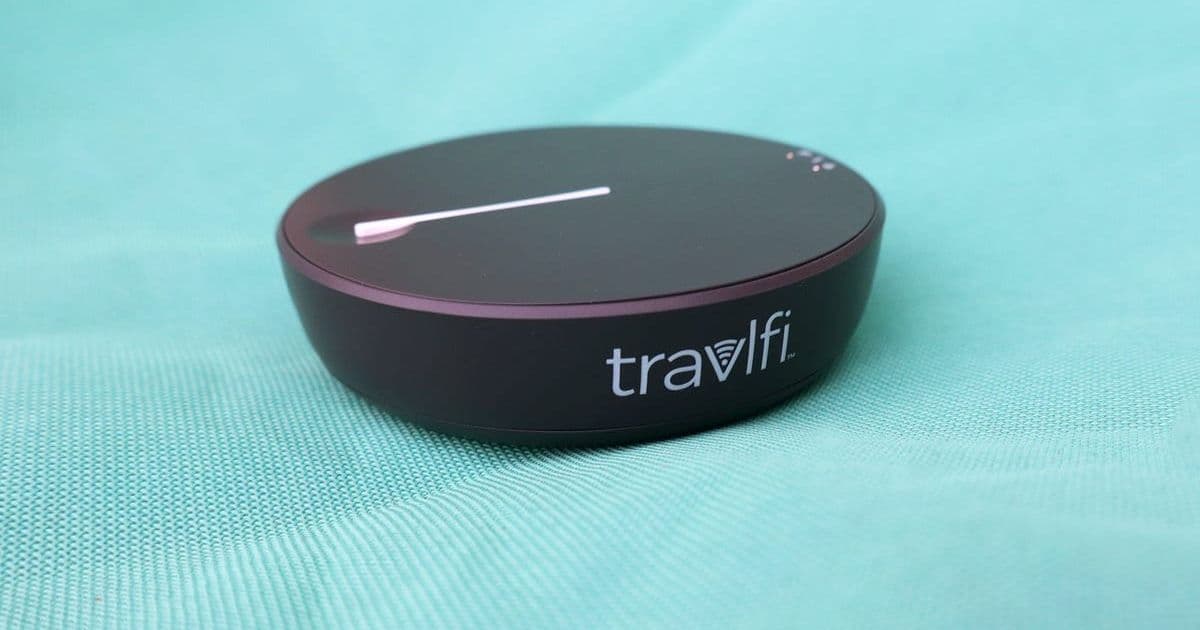
ZDNET's hands-on evaluation reveals how the pocket-sized JourneyGo 4G Hotspot delivers reliable internet for travelers—excelling in low-traffic scenarios while struggling in crowded environments. With flexible data plans and unexpected power bank functionality, this $159 device offers a compelling alternative to smartphone tethering.
TravlFi JourneyGo 4G Hotspot: The Traveler's Connectivity Puck
For developers and digital nomads tired of unreliable hotel Wi-Fi and predatory roaming charges, TravlFi's JourneyGo 4G Hotspot presents an intriguing proposition. This hockey puck-sized device promises dedicated internet connectivity anywhere with cellular coverage, but does it survive real-world technical scrutiny? ZDNET's rigorous testing reveals nuanced performance that demands careful consideration.
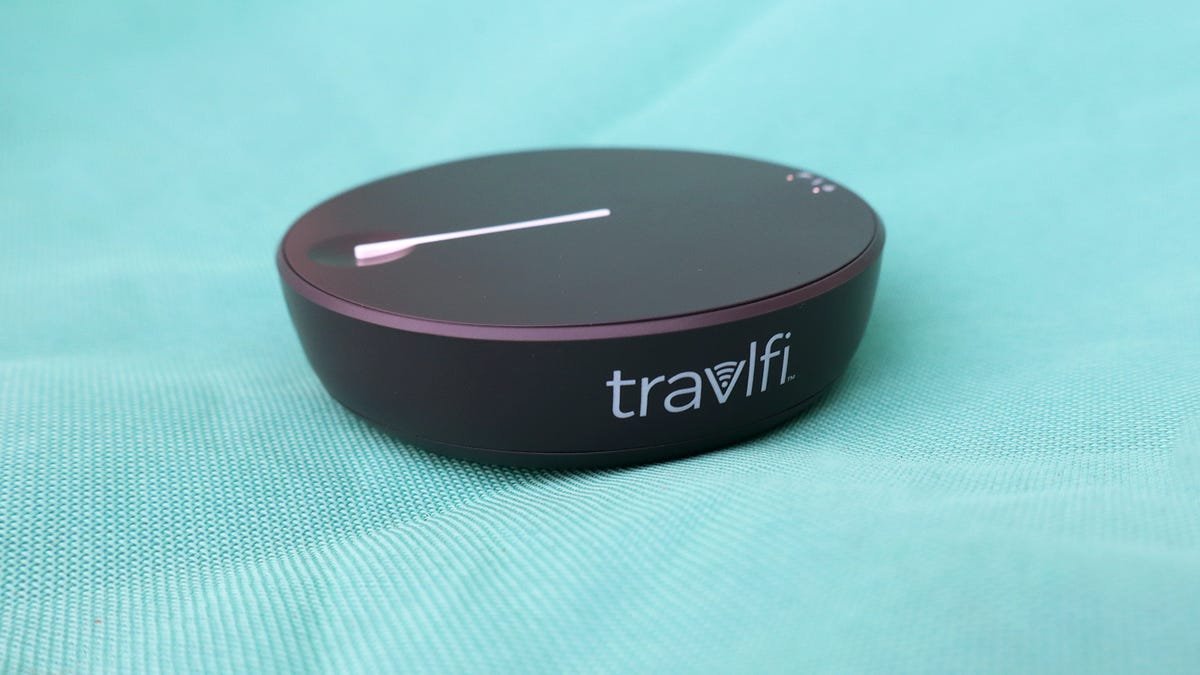
Beyond Smartphone Tethering: The Hardware Proposition
The JourneyGo distinguishes itself from smartphone hotspots through dedicated hardware architecture. Its ability to maintain 10 simultaneous connections—supporting everything from development laptops to gaming consoles like the Lenovo Legion Go—makes it ideal for team travel or multi-device workflows. Setup follows modern conventions: scan the QR code, activate via TravlFi's portal, and select a data plan.
Unlike carrier-locked alternatives, TravlFi's flexible subscription model deserves note: Plans range from $19/month (2GB) to $129/month (unlimited data) with no long-term commitments. This "pay-as-you-travel" approach eliminates contractual baggage—a significant advantage for project-based tech professionals.
Performance: A Tale of Two Environments
Testing uncovered stark performance dichotomies:
- High-density areas: Near busy intersections with competing devices, speeds plummeted to 2.3 Mbps download/1.39 Mbps upload with frequent disconnections (indicated by red LED status). This suggests spectrum contention limitations inherent to its 4G modem.
- Low-traffic scenarios: Performance transformed dramatically off-peak. Streaming 1080p/4K video proved seamless, and surprisingly, online gaming sessions in titles like Helldivers 2 remained stable with zero disconnects. Ookla speed tests peaked at 11.11 Mbps down/15.92 Mbps up—sufficient for most development workflows but inadequate for large downloads.
# Comparative Speed Test (Acer Aspire 16 AI)
| Task               | JourneyGo 4G | Home Wi-Fi |
|--------------------|--------------|------------|
| Brave Install      | ~180 seconds | ~50 seconds|
| HD Video Streaming | Stable       | Stable     |
| Cloud IDE Usage    | Responsive   | Responsive |
The Power Bank Wildcard
An unexpected feature positions the JourneyGo as a multi-tool: its 17.4Wh integrated battery (≈34.8W output) doubles as an emergency power bank. While charging speeds proved modest (15% to 30% in 30 minutes for a OnePlus device), it provides crucial redundancy during travel. Battery longevity varied significantly:
- 13 hours during active desktop development
- 20 hours during video streaming
This variance suggests power management adapts to connection demands—a clever optimization for nomadic use cases.
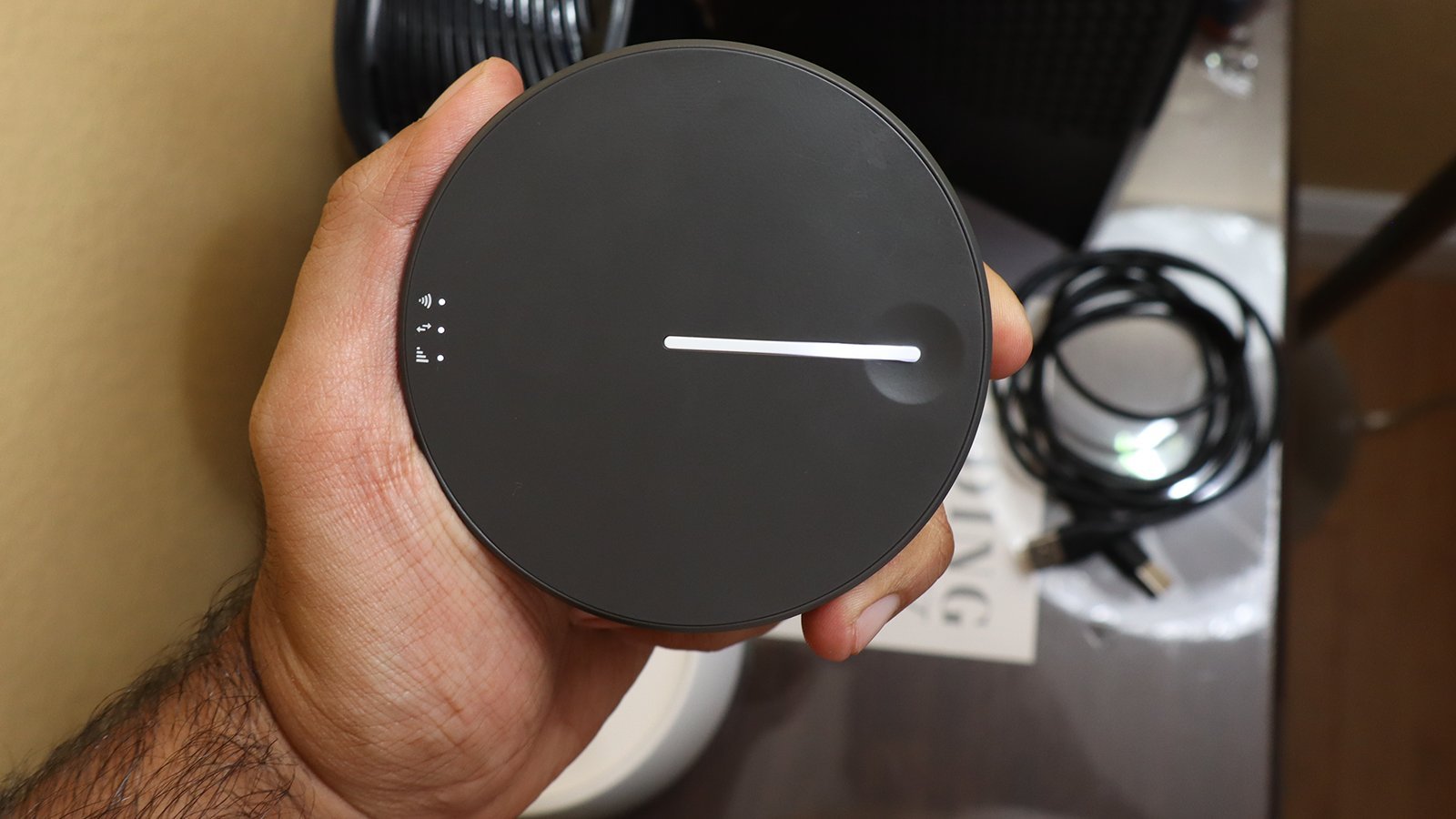
Technical Verdict: Contextual Value
Priced at $159 (currently discounted from $199) plus subscription, the JourneyGo makes most sense for:
- Frequent travelers in regions with reliable 4G coverage but poor Wi-Fi infrastructure
- Teams requiring dedicated connectivity without carrier SIM swaps
- Developers needing backup internet during critical deployments
However, those in congested urban environments or requiring high-bandwidth operations should temper expectations. As ZDNET's Cesar Cadenas concluded: "This pocket-sized puck delivers where smartphones stumble—but only when the airwaves aren't crowded." For the right user profile, it eliminates two travel pain points (connectivity + dead batteries) in one hardened package—a tradeoff worth evaluating against emerging 5G alternatives.
Source: ZDNET Hands-On Review
Comments
Please log in or register to join the discussion