The Trump administration has relaxed sanctions on Venezuela's oil and fertilizer sectors as part of a broader strategy to reduce economic pressure from potential conflict with Iran.
The Trump administration has taken a significant step in its foreign policy strategy by easing sanctions on Venezuela's oil and fertilizer sectors, according to sources familiar with the decision. This move comes as part of a broader effort to mitigate the economic impact of potential military action against Iran.
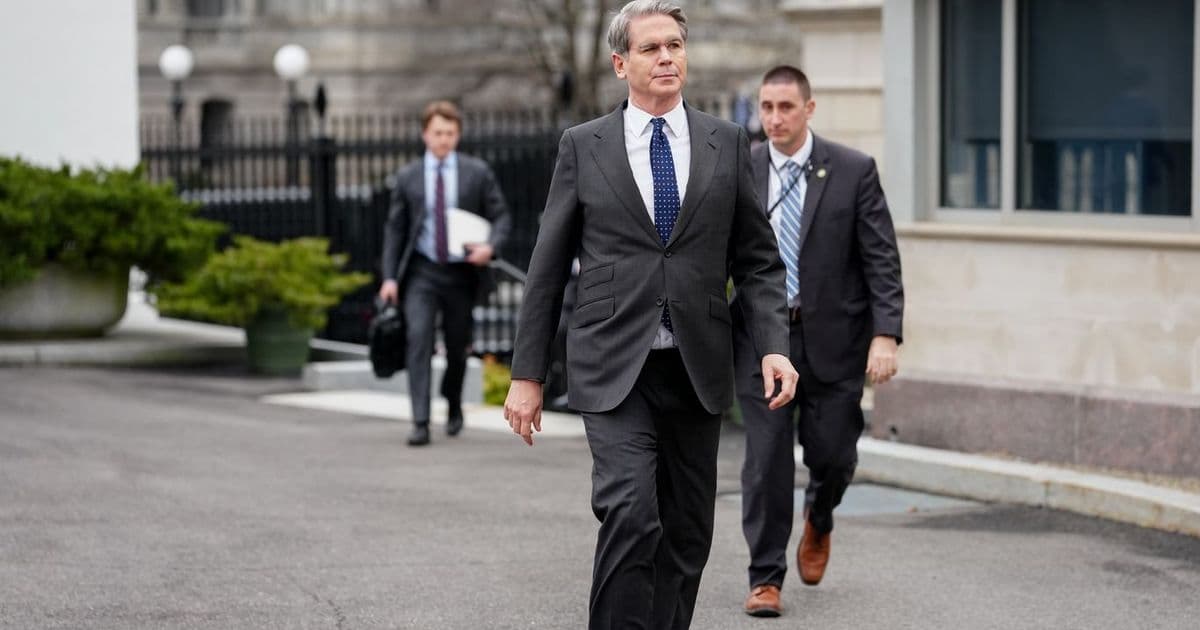
Treasury Secretary Scott Bessent, pictured outside the White House last week, has been at the forefront of these policy discussions. The decision to relax sanctions on Venezuela represents a notable shift in the administration's approach to Latin American relations, particularly given the historically tense relationship between Washington and Caracas.
The easing of sanctions specifically targets Venezuela's oil and fertilizer industries, two sectors that have been under strict U.S. restrictions for years. This move is seen as a strategic play to secure alternative energy and agricultural resources, potentially reducing American dependence on Middle Eastern oil and related products in the event of escalated tensions with Iran.
Market analysts suggest that this policy shift could have significant implications for global energy markets. Venezuela, despite its economic challenges, possesses substantial oil reserves and production capabilities that could help stabilize global supply chains if Middle Eastern sources become disrupted.
However, the decision has not been without controversy. Critics argue that easing sanctions on Venezuela could be seen as rewarding the Maduro regime for its authoritarian practices and human rights violations. The administration maintains that the move is purely strategic and temporary, aimed at protecting American economic interests in a volatile geopolitical landscape.
This development also highlights the complex interplay between U.S. foreign policy in different regions. By potentially strengthening economic ties with Venezuela, the administration appears to be creating a buffer against the economic fallout from a possible conflict with Iran, demonstrating the interconnected nature of global energy politics.
The fertilizer sector relaxation is particularly noteworthy, as it could help ensure stable agricultural production in the United States and other allied nations. Fertilizer shortages could have devastating effects on food security, especially if supply chains are disrupted by Middle Eastern conflicts.
As this situation continues to develop, the international community will be watching closely to see how Venezuela responds to this olive branch from Washington, and whether this represents a genuine shift in U.S.-Venezuela relations or merely a tactical move in the broader chess game of global geopolitics.
Comments
Please log in or register to join the discussion