Energy Secretary Chris Wright says market anxiety, not supply shortages, is driving recent oil price increases amid Middle East tensions
The Trump administration's Energy Secretary Chris Wright has attributed the recent spike in oil prices to market fear rather than actual supply shortages, pointing to geopolitical tensions in the Middle East as the primary driver of volatility.
Wright's comments come as oil prices have experienced significant fluctuations in recent weeks, with Brent crude and West Texas Intermediate benchmarks showing increased volatility. The Energy Secretary emphasized that global oil supplies remain adequate to meet demand, suggesting that psychological factors and speculation are amplifying price movements.
Middle East Tensions Fuel Market Anxiety
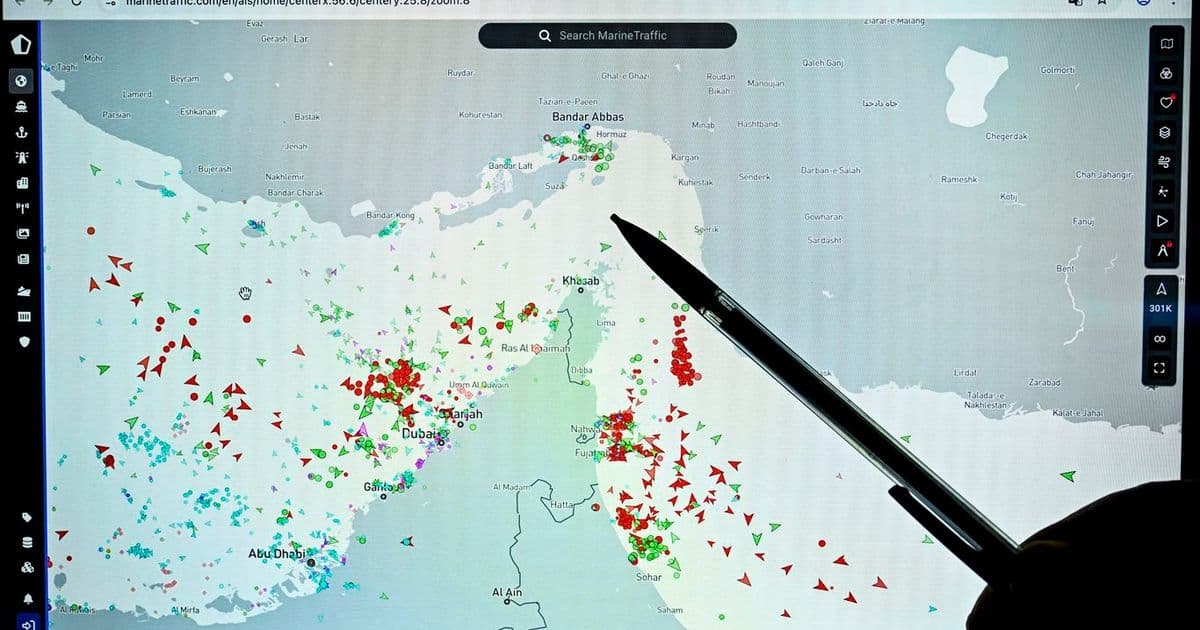
The timing of Wright's statement coincides with heightened tensions in the Strait of Hormuz, a critical waterway through which approximately 20% of global oil supplies pass. Satellite imagery and maritime tracking data show increased naval activity in the region, with commercial vessels altering their routes to avoid potential conflict zones.
The Strait of Hormuz has historically been a flashpoint for oil market volatility. Any disruption to shipping through this narrow passage could significantly impact global oil supplies, given that major producers including Saudi Arabia, Iran, and the UAE rely on this route for their exports.
Market Psychology vs. Physical Supply
Energy analysts have noted that oil markets often react more strongly to perceived threats than to actual supply disruptions. The current situation demonstrates how quickly prices can spike based on geopolitical developments, even when physical oil continues to flow unimpeded.
This psychological component of oil pricing has become increasingly important as markets have grown more sensitive to news and social media-driven narratives. Traders and investors are quick to react to headlines about potential conflicts, sanctions, or other disruptions, sometimes leading to price movements that exceed what fundamental supply-demand factors would suggest.
Historical Context of Fear-Driven Price Spikes
Oil markets have experienced similar fear-driven price movements during previous geopolitical crises. The 1990 Gulf War, for instance, saw prices spike dramatically based on fears of supply disruptions, though actual supply impacts were more limited than initially feared.
More recently, tensions between the United States and Iran have periodically caused oil price volatility, with markets reacting to threats of military action or sanctions that could affect Iranian oil exports.
Impact on Consumers and Industries
While Wright downplays the supply-side concerns, higher oil prices still have significant economic implications. Transportation costs increase, affecting everything from airline tickets to shipping fees. Industries that rely heavily on petroleum products face higher input costs, which can lead to inflationary pressures throughout the economy.
Gasoline prices at the pump typically follow crude oil price movements, though with a lag. Consumers may see higher fuel costs in the coming weeks if current price levels persist.
Looking Ahead
The administration's stance suggests confidence in the ability to manage potential supply disruptions through strategic reserves or diplomatic channels. However, market participants remain cautious, with many traders maintaining positions that reflect ongoing uncertainty about Middle East stability.
Energy experts note that while fear may be the immediate driver of current price movements, sustained high prices could eventually lead to changes in consumer behavior and investment patterns in the energy sector.
The situation remains fluid, with market participants closely monitoring developments in the Middle East and other potential sources of supply disruption. Until geopolitical tensions ease, oil price volatility is likely to continue, regardless of the physical availability of crude oil.
Comments
Please log in or register to join the discussion