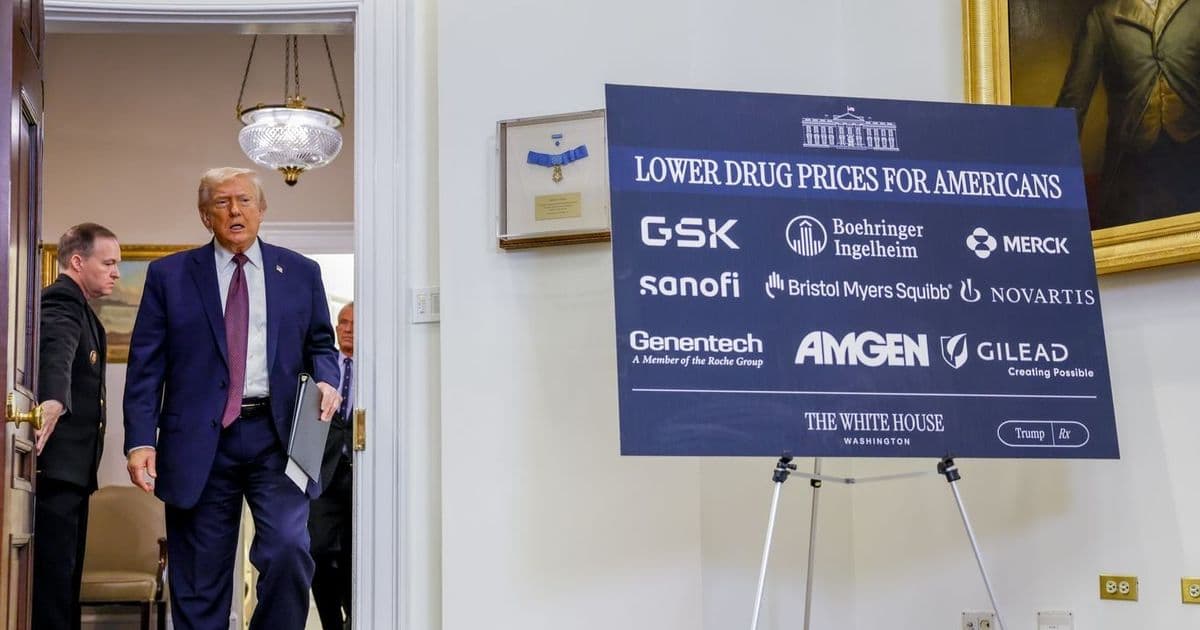
The Trump administration has announced new tariffs on certain pharmaceutical drugs, marking a significant escalation in efforts to lower drug prices through trade policy rather than domestic reform.
The Trump administration has announced new tariffs on certain pharmaceutical drugs, marking a significant escalation in efforts to lower drug prices through trade policy rather than domestic reform.
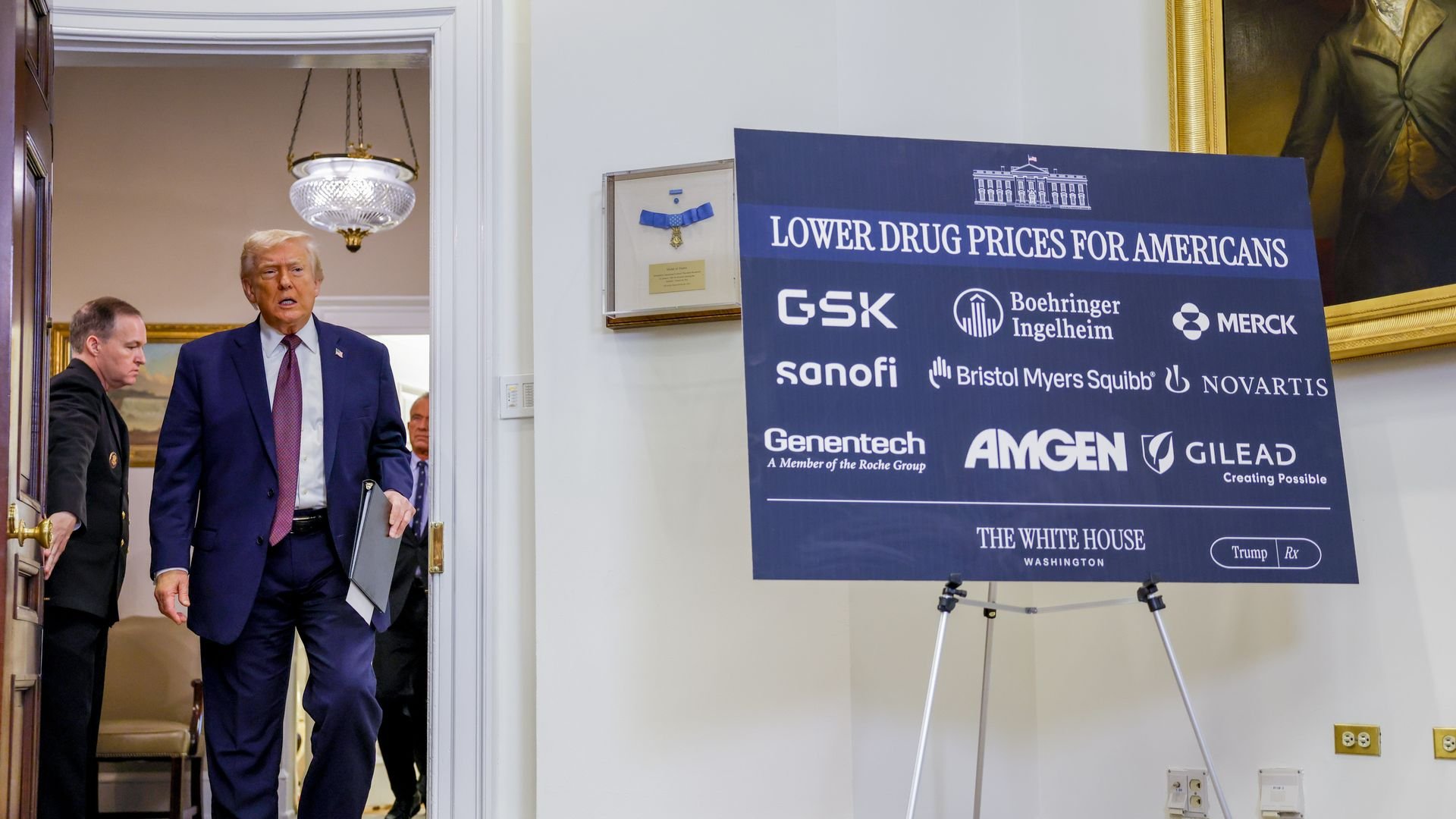
President Donald Trump made the announcement during a White House event in the Roosevelt Room, where he outlined plans to impose tariffs on drug imports from countries that have been "taking advantage" of the U.S. pharmaceutical market. The move represents a dramatic shift in how the administration plans to address the longstanding issue of high prescription drug prices in America.
Tariff Details and Implementation Timeline
The tariffs will apply to a range of pharmaceutical products, though specific details about which drugs and from which countries remain unclear. Administration officials indicated the tariffs would target medications that are currently manufactured overseas and imported into the United States, particularly those from countries with lower drug prices than the U.S. market.
The implementation timeline suggests a phased approach, with initial tariffs taking effect within 30 days of the announcement. The administration has stated that the tariffs could reach up to 25% on certain pharmaceutical products, though the exact percentage will vary by drug type and country of origin.
Economic Impact on Drug Manufacturers
Major pharmaceutical companies are already experiencing market volatility following the announcement. Stock prices for companies with significant overseas manufacturing operations dropped between 3-7% in after-hours trading on the day of the announcement.
Industry analysts estimate that the tariffs could increase costs for drug manufacturers by $15-25 billion annually, depending on the final tariff rates and which products are affected. Companies may attempt to absorb some of these costs, but most experts predict that a significant portion will be passed on to consumers through higher drug prices.
International Trade Implications
The tariff announcement has already sparked concerns from trading partners. Countries that export significant amounts of pharmaceuticals to the United States, including Ireland, Switzerland, and India, have indicated they may respond with retaliatory measures.
Ireland, home to many major pharmaceutical manufacturing facilities, has warned that the tariffs could violate World Trade Organization agreements. The European Union has indicated it may challenge the tariffs through international trade dispute mechanisms.
Domestic Healthcare Industry Response
Healthcare providers and insurance companies have expressed concern about the potential impact on patient access to medications. The American Hospital Association warned that the tariffs could lead to drug shortages and increased costs for hospitals already operating on thin margins.
Pharmacy benefit managers, who negotiate drug prices between manufacturers and insurers, have indicated they may need to restructure their supply chains to minimize the impact of the tariffs. This could lead to delays in drug availability and potential disruptions in the pharmaceutical supply chain.
Historical Context and Precedent
This marks the first time the United States has imposed tariffs specifically targeting pharmaceutical products. Previous administrations have considered similar measures but ultimately decided against them due to concerns about drug availability and costs.
The move represents a continuation of the Trump administration's broader strategy of using tariffs as a tool for achieving policy objectives beyond traditional trade concerns. Similar approaches have been used in negotiations with China over intellectual property issues and with Mexico and Canada over immigration policies.
Market Analysis and Financial Projections
Financial analysts project that the pharmaceutical sector could see earnings reductions of 5-10% in the coming quarters as companies adjust to the new tariff regime. Companies with diversified manufacturing locations may be better positioned to weather the changes, while those heavily dependent on overseas production could face significant challenges.
The medical device industry, which often overlaps with pharmaceutical manufacturing, is also expected to be affected. Devices that incorporate pharmaceutical components or are classified as combination products may face similar tariff treatment.
Consumer Impact and Price Projections
While the administration claims the tariffs will ultimately lower drug prices by incentivizing domestic manufacturing, most economic models suggest the opposite effect in the short to medium term. Consumer advocacy groups estimate that patients could see drug price increases of 10-15% on affected medications.
Medicare and Medicaid programs, which together cover approximately 130 million Americans, may face billions in additional costs if drug prices increase. This could potentially offset some of the savings the administration hopes to achieve through other healthcare reforms.
Industry Adaptation Strategies
Pharmaceutical companies are already exploring various strategies to mitigate the impact of the tariffs. These include:
- Accelerating plans to move manufacturing to the United States
- Negotiating new supply chain arrangements with countries not affected by the tariffs
- Reformulating products to use components from different sources
- Lobbying for exemptions for certain critical medications
Major drug manufacturers have indicated they may need to raise billions in new capital to fund the relocation of manufacturing facilities to the United States, a process that could take several years to complete.
Regulatory and Legal Challenges
The tariff announcement is likely to face legal challenges from both the pharmaceutical industry and affected trading partners. Industry groups have already indicated they may file lawsuits arguing that the tariffs exceed the administration's authority under existing trade laws.
The Food and Drug Administration may need to adjust its approval processes for drugs manufactured in new facilities, potentially creating additional delays in the supply chain as companies shift production.
Long-term Industry Restructuring
Industry experts predict that the tariffs could accelerate a broader restructuring of the global pharmaceutical supply chain. Countries that have traditionally been major exporters of pharmaceuticals to the United States may see their market share decline, while domestic manufacturing could see a resurgence.
However, building new pharmaceutical manufacturing capacity in the United States is a complex and expensive undertaking. Industry analysts estimate that it could take 3-5 years for new facilities to reach full production capacity, during which time drug shortages and price increases are likely to persist.
The pharmaceutical industry's response to these tariffs could serve as a model for how other sectors of the economy might adapt to similar trade policies in the future, making this a closely watched development beyond just the healthcare sector.
Comments
Please log in or register to join the discussion