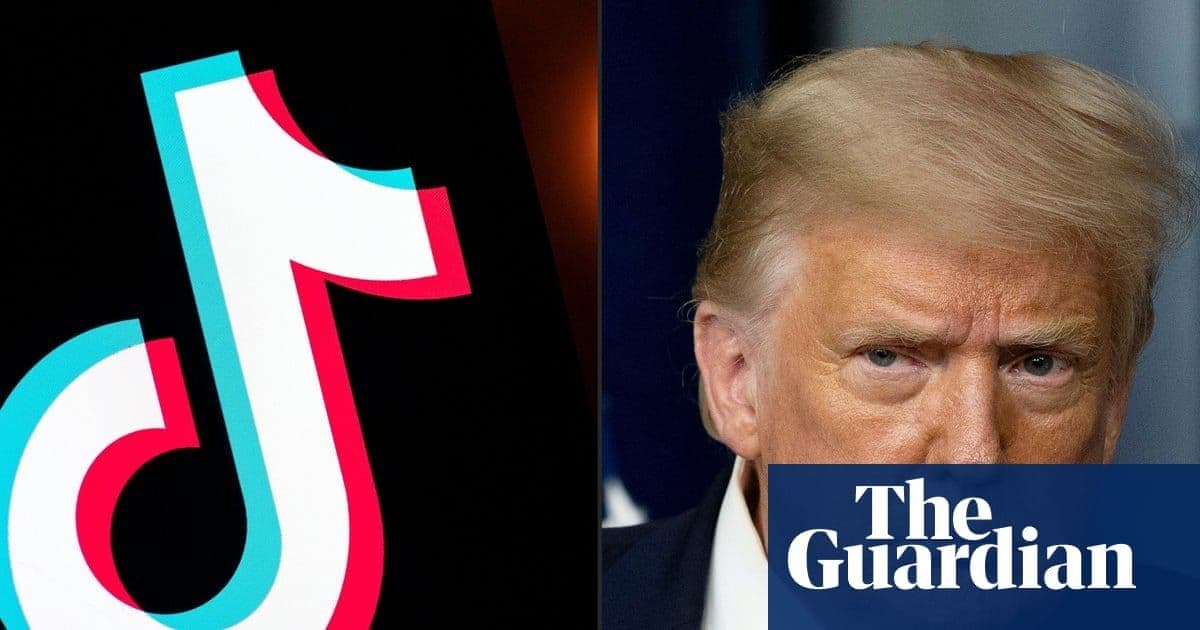
The Trump administration is reportedly set to receive $10 billion from investors who acquired TikTok's US operations, with Vice President JD Vance claiming the US version is worth $14 billion, raising unprecedented questions about government compensation for facilitating business deals.
The Trump administration is reportedly set to receive a $10 billion "fee" from investors who acquired TikTok's US operations, a payment arrangement that legal experts say raises unprecedented constitutional questions about government compensation for facilitating business deals.
Vice President JD Vance has stated that the US version of TikTok is valued at approximately $14 billion, which would mean the government is taking roughly 70% of the deal's value as compensation for brokering the arrangement between Chinese parent company ByteDance and the new American investors.
This exceptionally rare fee structure represents a fundamental departure from how government agencies typically operate. Unlike standard regulatory fees or taxes, this payment appears to be a direct financial benefit to the administration for arranging a private business transaction.
Legal scholars point to the Foreign Emoluments Clause in the Constitution, which prohibits federal officials from receiving payments from foreign governments without congressional approval. While TikTok's new American owners are not foreign entities, the arrangement bears similarities to pay-for-play schemes that have historically raised corruption concerns.
The reported $10 billion fee also raises questions about valuation methodology. Industry analysts have struggled to determine TikTok's true worth, with estimates ranging widely based on user data, advertising revenue, and growth potential. Vance's $14 billion figure appears to be the administration's own valuation, not an independently verified assessment.
This arrangement would mark a significant shift in how business transactions involving national security concerns are handled. Rather than simply blocking foreign ownership or requiring divestiture, the government appears to be positioning itself as a broker that extracts substantial value from the deal.
Critics argue this creates a dangerous precedent where administrations could leverage national security concerns to extract financial benefits from private companies. Supporters contend that the government is justified in receiving compensation for facilitating a complex transaction that addresses legitimate security concerns about Chinese ownership of a major American social media platform.
The deal's structure also raises transparency issues. Unlike standard government fees that are subject to public disclosure requirements and congressional oversight, the terms of this arrangement remain largely undisclosed. Questions persist about how the fee will be structured, whether it will be paid in cash or equity, and how it will be accounted for in federal budgets.
This situation emerges against the backdrop of broader tensions between the US and China over technology and data security. The TikTok arrangement represents one of the most high-profile attempts to address these concerns through corporate restructuring rather than outright bans or sanctions.
As details continue to emerge, the $10 billion fee is likely to face scrutiny from Congress, watchdog groups, and potentially the courts. The fundamental question remains whether government officials can ethically benefit financially from arrangements they facilitate, even when those arrangements serve legitimate policy objectives.
The TikTok deal, regardless of its ultimate structure, highlights the complex intersection of national security, corporate interests, and government ethics in an era of heightened technological competition between global powers.
Comments
Please log in or register to join the discussion