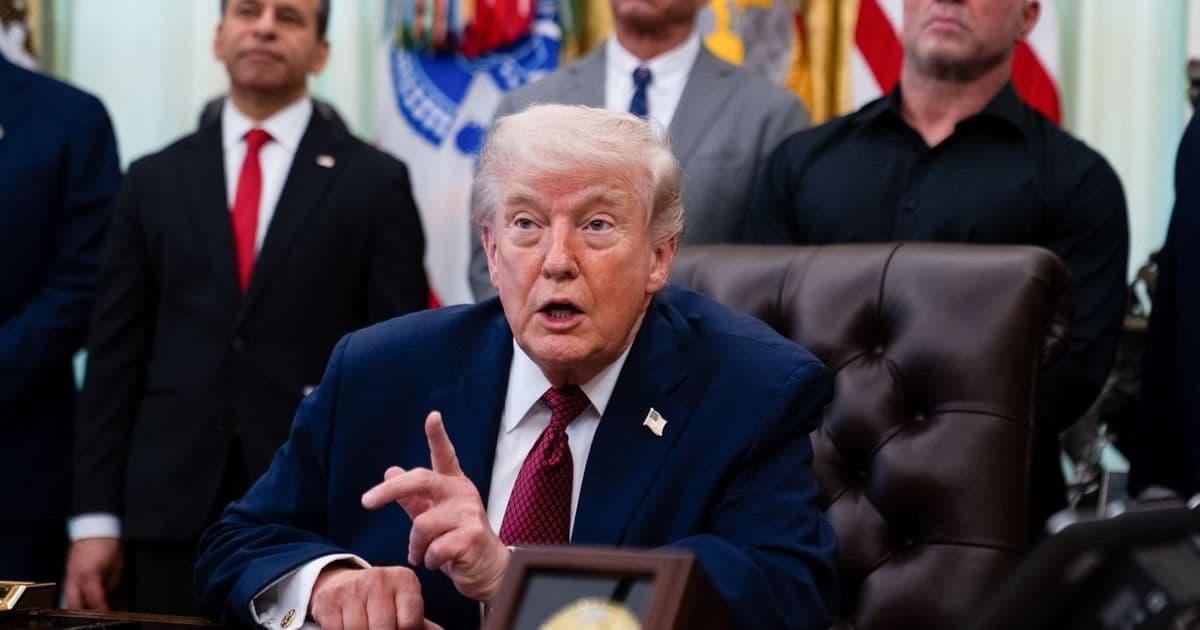
President Trump plans to reclassify marijuana under federal law, removing significant barriers to cannabis research and potentially unlocking new medical and scientific opportunities.
President Trump is set to announce the rescheduling of marijuana under federal law, a move that would substantially ease restrictions on cannabis research and potentially reshape the medical and scientific landscape. The policy change, expected to be formalized in the coming weeks, represents a significant shift in the federal government's approach to cannabis research and medical applications.
Current federal classification places marijuana in Schedule I of the Controlled Substances Act, the most restrictive category reserved for substances with high potential for abuse and no accepted medical use. This classification has created substantial obstacles for researchers seeking to study cannabis properties, limiting the scientific understanding of its potential medical benefits and mechanisms of action.
The rescheduling would likely move marijuana to Schedule III, a designation reserved for substances with moderate to low potential for physical and psychological dependence but accepted medical uses. This reclassification would eliminate the requirement for special DEA registration to conduct research and streamline the process for obtaining cannabis for studies.
"This change represents a fundamental shift in how the federal government views cannabis," said Dr. Michael Barnett, a researcher at Harvard Medical School who has studied cannabis policy for over a decade. "The current system has created a Catch-22 where we need more research to understand medical applications, but the classification prevents that research from happening at scale."
The market implications of this policy shift could be substantial. The legal cannabis industry, valued at approximately $25 billion in the United States last year, has operated under significant regulatory uncertainty due to federal prohibition. Analysts project that easing research restrictions could catalyze pharmaceutical development of cannabis-based medications, potentially creating a multi-billion dollar market for FDA-approved cannabis therapeutics.
"Pharmaceutical companies have been hesitant to invest in cannabis research due to the legal and regulatory risks," explained Sarah Johnson, healthcare analyst at Morgan Stanley. "Rescheduling would provide the regulatory clarity needed for significant pharmaceutical investment, potentially leading to the development of standardized cannabis-based medications with precise dosing and consistent formulations."
The policy change also has significant implications for medical research institutions. Currently, researchers must navigate a complex approval process involving the DEA, FDA, and the National Institute on Drug Abuse to conduct cannabis studies. The rescheduling would likely reduce these administrative burdens, allowing more researchers to study cannabis properties and potential therapeutic applications.
"We've seen promising early research suggesting cannabis could benefit patients with conditions like epilepsy, multiple sclerosis, and chemotherapy-induced nausea," said Dr. Elizabeth Chen, director of research at the National Cannabis Research Institute. "But the current restrictions have limited the scope and scale of these studies. This policy change could accelerate our understanding of cannabis's medical potential by an order of magnitude."
The announcement comes amid growing bipartisan support for cannabis reform, with 38 states having legalized medical marijuana and 23 states allowing recreational use. However, the federal government's Schedule I classification has created conflicts between state and federal law, leaving businesses and researchers in legal limbo.
While the rescheduling would not fully resolve these conflicts, it would represent a significant step toward federal recognition of cannabis's medical value. The policy change could also have implications for banking, taxation, and other areas where federal law has created barriers for the cannabis industry.
The Trump administration has not provided specific details about the timeline or implementation of the rescheduling, but industry insiders expect formal guidance within the next several months. The move would mark one of the most significant federal policy changes regarding cannabis since the Controlled Substances Act was enacted in 1970.
Comments
Please log in or register to join the discussion