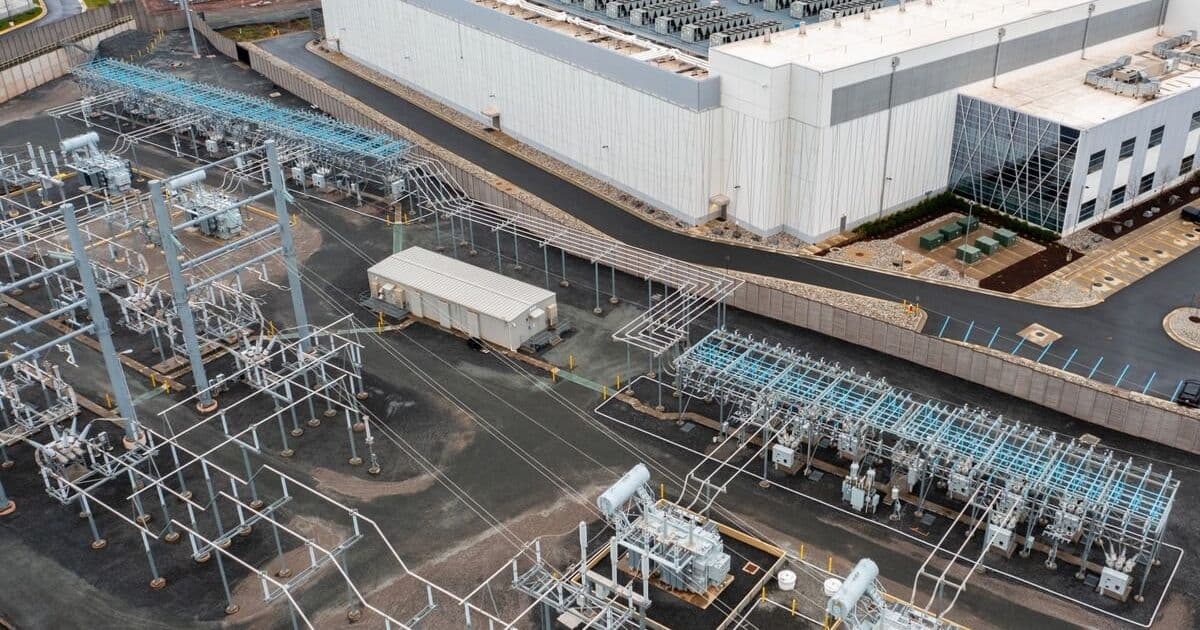
President Trump and several US state governors have agreed to direct grid operator PJM to hold a special auction for technology companies to fund new power plants, a direct response to the rapidly growing electricity needs of AI data centers.
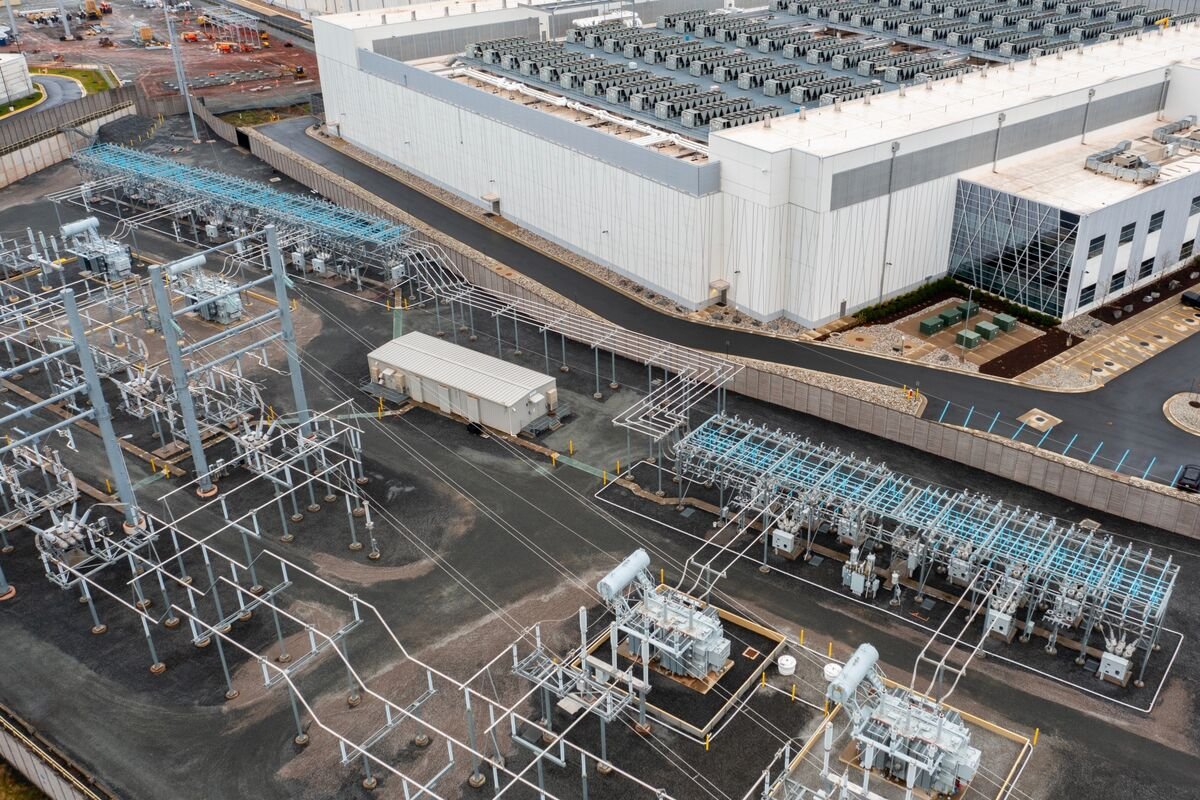
The Trump administration and governors from multiple US states have reached an agreement to address a looming energy crisis, one driven not by traditional industry but by the voracious appetite of artificial intelligence. According to sources familiar with the matter, the plan involves directing PJM Interconnection, the nation's largest grid operator, to hold an emergency auction specifically for technology companies to fund the construction of new power plants.
This move represents a significant shift in how critical infrastructure projects are planned and financed. Instead of a more traditional regulatory process, the government is effectively creating a market-based mechanism where the entities with the most urgent need for power—the AI industry—can directly pay for its expansion.
The Problem: AI's Insatiable Power Needs
The core issue is straightforward: the buildout of AI data centers is outpacing the grid's capacity to supply them. Training large language models and running inference at scale requires enormous amounts of electricity, 24/7. Industry analysts have been warning for months that without a massive increase in power generation, the AI boom could hit a hard wall due to energy constraints.
PJM operates the high-voltage electric grid for 13 states and the District of Columbia, covering a region that includes major data center hubs like Northern Virginia. The organization has already flagged concerns about tightening reserve margins and the difficulty of bringing new generation online quickly. The traditional process for approving and building new power plants can take years, a timeline that is completely misaligned with the breakneck speed of AI development.
The Proposed Solution: A Direct Auction
The agreement between the White House and state leaders aims to bypass these delays. The proposed auction would allow tech companies to bid on and finance new power generation projects directly. This creates a clear, market-driven signal for developers to build new plants where they are needed most.
Key aspects of the plan:
- Direct Funding: Tech companies, which are sitting on unprecedented capital reserves, would provide the upfront investment for new power plants. This could take the form of long-term power purchase agreements (PPAs) or direct equity investment.
- Emergency Basis: Framing the initiative as an "emergency" allows for expedited regulatory review and construction, sidestepping some of the normal bureaucratic hurdles that slow down energy projects.
- Targeted Generation: The auction is likely to favor generation types that can be built relatively quickly, such as natural gas peaker plants, or those that offer 24/7 reliability, which could also include next-generation nuclear or geothermal projects if they can meet the timeline.
What This Actually Changes
This is not just another corporate sustainability pledge. It is a fundamental change in the relationship between the tech industry and the nation's energy infrastructure.
- From Regulated to Market-Driven: The power grid has historically been managed by utilities and regional transmission organizations (RTOs) like PJM under close regulatory oversight, with costs socialized across all ratepayers. This new model introduces a powerful new player—the tech giant—willing to pay a premium to secure power, potentially reshaping the economics of the entire grid.
- Speed Over Process: By prioritizing speed, the plan acknowledges that the economic and strategic implications of falling behind in the AI race outweigh the traditional concerns about lengthy planning and environmental review processes.
- A New Precedent: If successful, this model could be replicated in other grid regions across the country, establishing a new standard for how critical infrastructure for emerging technologies is financed and built.
Limitations and Unanswered Questions
While the agreement signals a commitment to action, several significant challenges and open questions remain.
- Cost and Who Pays: The article mentions an "auction," but not the structure. Will tech companies bid against each other for a limited number of projects, driving up the price of electricity? Will the costs of connecting these new plants to the grid be passed on to other consumers? The plan could lead to a two-tiered energy market, where AI companies get reliable power at a premium, while other users face higher costs or less reliability.
- Environmental Impact: A rapid push for new generation is likely to favor fossil fuels, particularly natural gas, which can be deployed much faster than renewables or nuclear. This creates a direct conflict with climate goals. The plan's "emergency" framing may lead to environmental regulations being waived or fast-tracked, a move that will undoubtedly face legal challenges.
- Grid Integration: Simply building a new power plant is not enough. The electricity needs to be transmitted to data centers, which requires building new high-voltage transmission lines. This process is often even more difficult and time-consuming than building a power plant itself. The current proposal does not appear to address this critical transmission bottleneck.
- PJM's Role: It is still unclear how PJM, a complex organization governed by a board of stakeholders, will implement this directive. The auction mechanism will need to be carefully designed to avoid market manipulation and ensure that the new capacity actually benefits grid reliability for everyone, not just the highest bidder.
This agreement is a clear recognition by policymakers that AI is no longer just a software industry; it is a heavy industry with massive physical infrastructure requirements. The solution they have chosen prioritizes speed and direct investment, but it also raises fundamental questions about energy costs, environmental policy, and the future shape of America's power grid.
Comments
Please log in or register to join the discussion