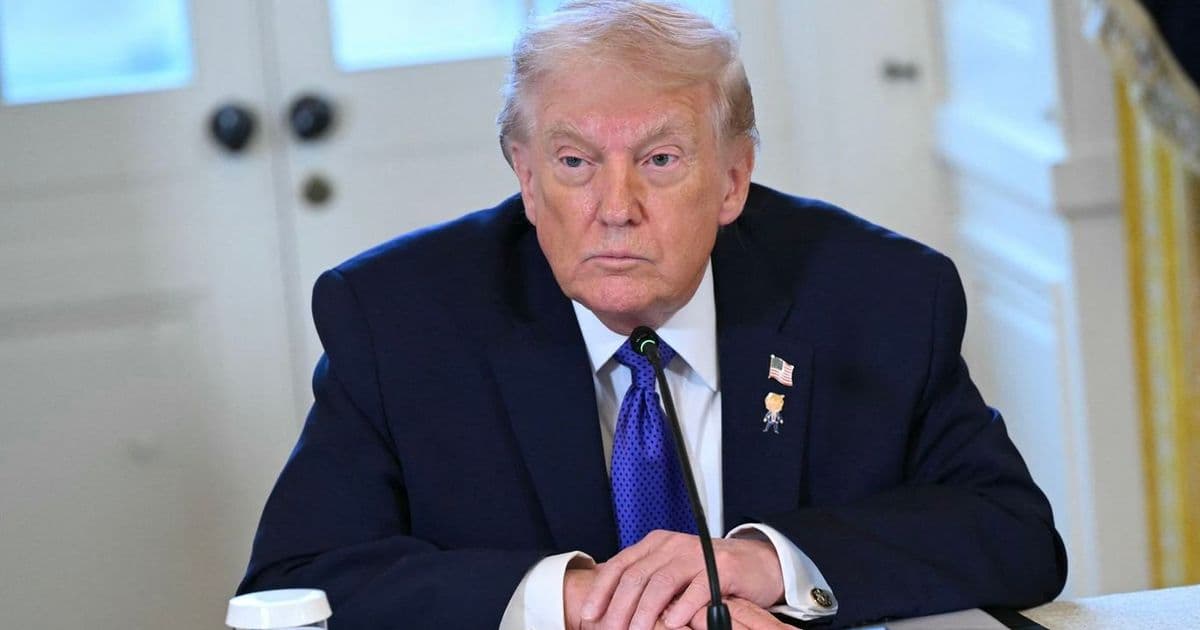
The Trump administration is evaluating 'very strong options' to support Iranian protesters, signaling potential policy escalation that could impact Middle East stability and global energy markets.
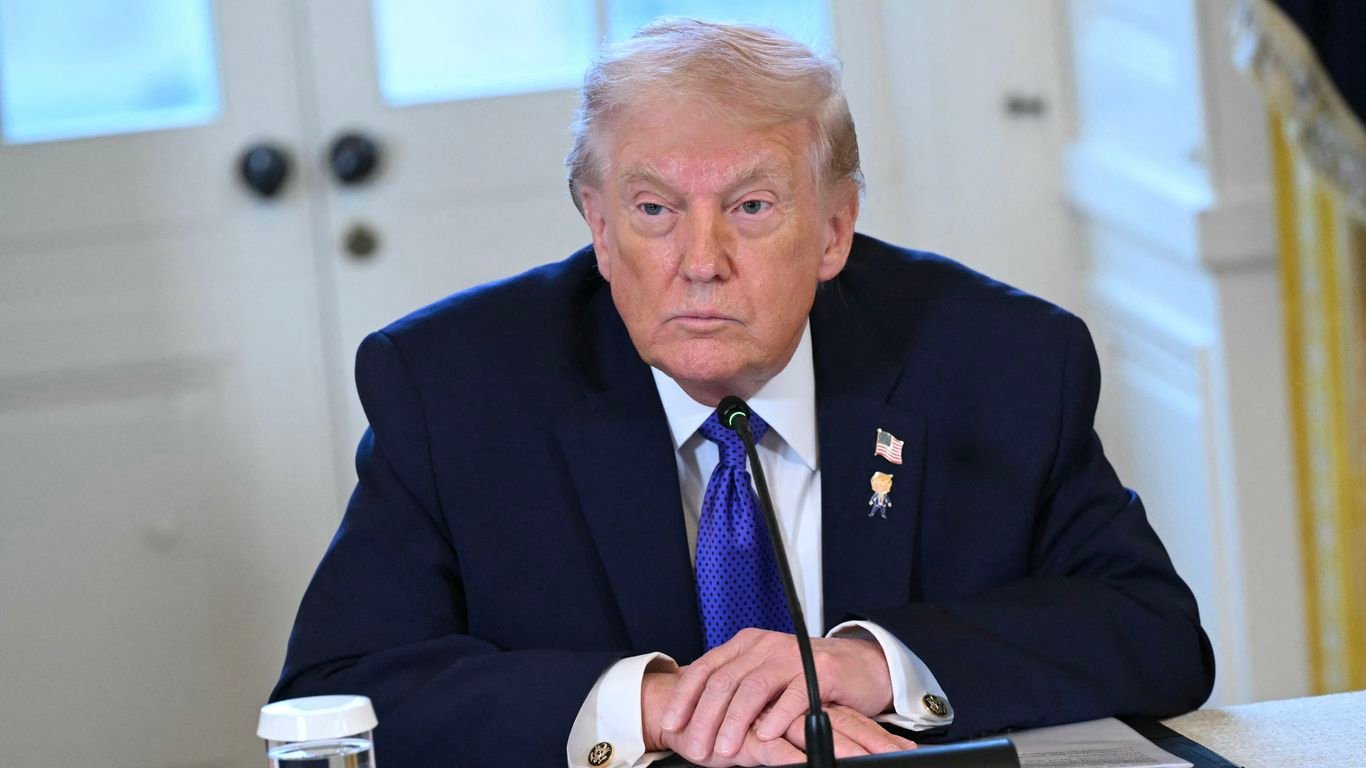
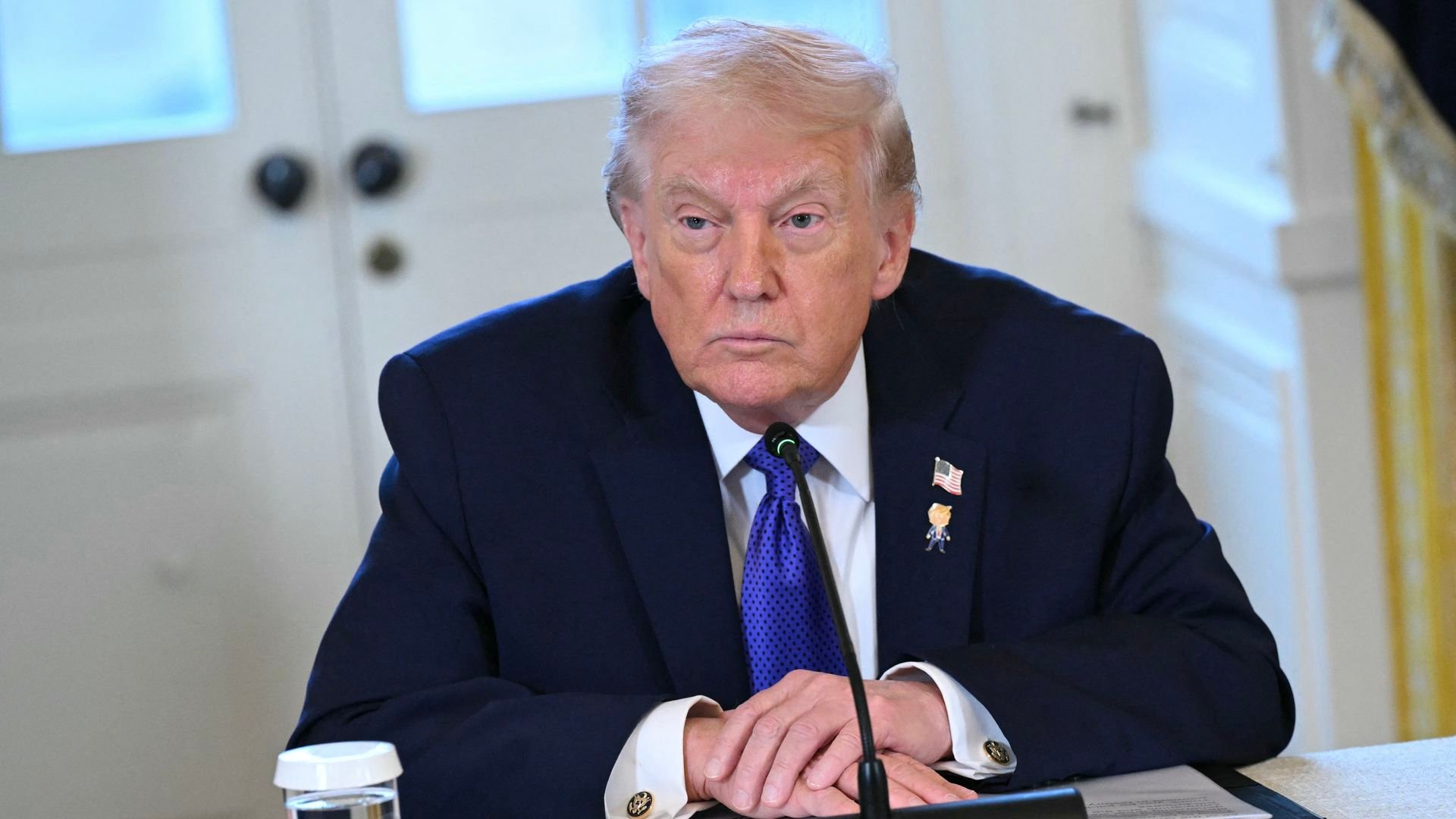
President Trump confirmed his administration is actively exploring "very strong options" to support anti-government protesters in Iran, marking a potential escalation in U.S. interventionist policy. The statement came during discussions with U.S. oil executives in the White House East Room, where geopolitical strategy intersected with energy market concerns.
Iran has faced nationwide protests since September following the death of Mahsa Amini, with recent demonstrations intensifying against economic hardship and political repression. Iranian authorities have responded with internet blackouts and violent crackdowns, drawing international condemnation. Trump's declaration signals a potential shift beyond symbolic support toward concrete actions that could include:
- Enhanced sanctions targeting Iranian leadership and technology sectors
- Cyber operations supporting communication networks for protesters
- Authorization of technology exports enabling circumvention of internet censorship
- Diplomatic pressure through UN channels
Oil markets reacted cautiously to the announcement, with Brent crude futures rising 1.2% on fears of supply disruptions. Iran holds the world's fourth-largest oil reserves, and any escalation could further destabilize global energy flows. U.S. shale producers stand to benefit from price increases, though European and Asian markets face greater vulnerability to supply shocks.
Technology firms face complex implications. Sanctions could restrict cloud services and hardware exports to Iran, while creating opportunities for VPN providers and secure communication tools. Major U.S. tech companies with Middle East operations must navigate compliance challenges under potential new restrictions.
The administration faces strategic dilemmas in implementation. Direct intervention risks provoking retaliatory cyber attacks on U.S. infrastructure and could undermine protest movements by providing propaganda ammunition to Iranian authorities. Conversely, passive observation risks abandoning protesters facing lethal force. Historical precedents from Syria to Venezuela show the high stakes of such policy decisions.
As Tehran mobilizes Revolutionary Guard units to quell unrest, the White House's calculus appears weighted toward confronting Iranian leadership. This approach aligns with Trump's maximum pressure campaign but introduces new volatility factors for global markets. Energy analysts warn sustained tensions could push oil above $100/barrel, accelerating inflation concerns while tech firms brace for expanded sanction compliance requirements.
State Department officials indicate detailed policy options are being drafted for presidential review, with implementation likely before month's end. The coming weeks will test whether rhetorical support transforms into operational reality, with profound implications for Middle East stability and international business operations.
Comments
Please log in or register to join the discussion