
President Trump declared a national emergency to shield Venezuelan oil revenues from creditors and the Maduro regime, reshaping financial exposure for U.S. energy firms.
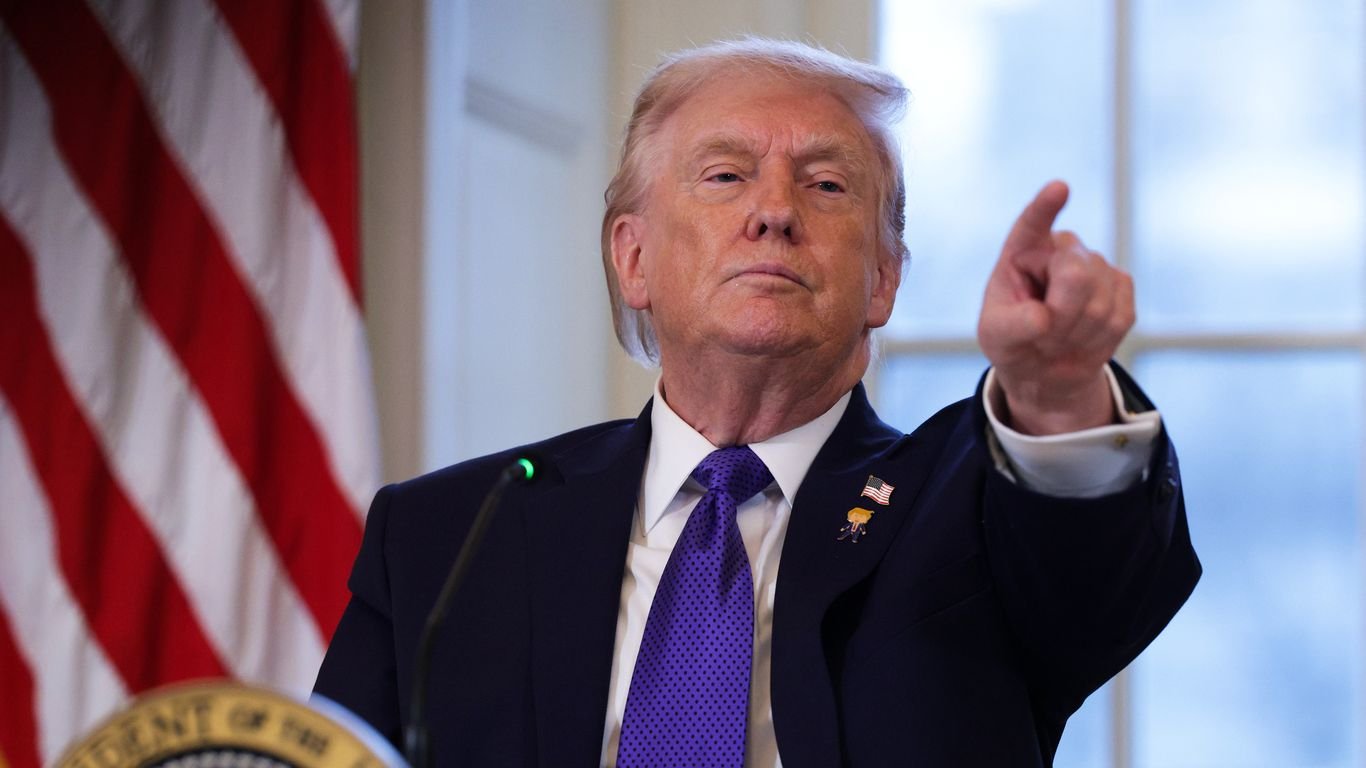
President Trump has invoked the International Emergency Economic Powers Act to freeze Venezuelan state oil assets under U.S. jurisdiction, blocking creditors from seizing funds amid the country's political crisis. The executive order specifically targets Citgo Petroleum Corp., Venezuela's U.S.-based refining subsidiary, which processes 750,000 barrels per day across three Gulf Coast refineries.
Venezuela's state oil company PDVSA owes over $150 billion to international creditors following years of production declines and defaulted bonds. Citgo, valued at approximately $8 billion, serves as PDVSA's most valuable overseas asset. Sanctions imposed in January 2019 already redirected Venezuelan oil revenues to opposition-controlled accounts, but this emergency declaration creates new legal barriers against asset seizures by creditors like Canadian miner Crystallex and Russian oil giant Rosneft.
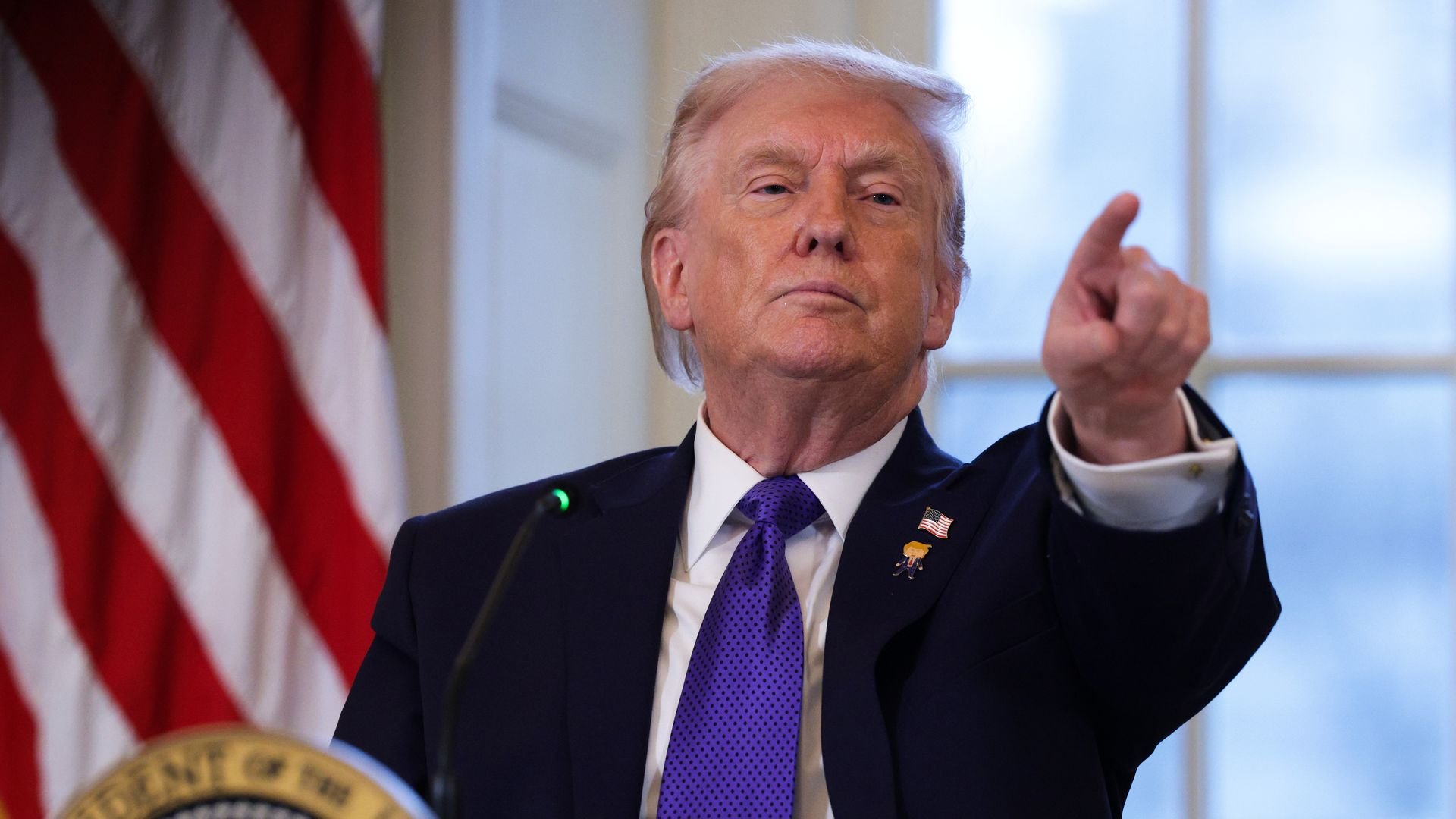
Industry analysts note the move recalibrates risk exposure for U.S. energy companies with Venezuelan ties. Chevron, which holds joint ventures producing 200,000 barrels daily in Venezuela, saw shares rise 1.2% following the announcement. Meanwhile, refiners reliant on Venezuelan heavy crude face renewed supply chain pressures as imports dropped 76% year-over-year to just 98,000 barrels daily in Q1 2020.
The White House action coincides with heightened geopolitical tensions, coming hours after Trump met with U.S. oil executives to discuss market stabilization efforts. Treasury Department filings indicate the order freezes all property interests of the Venezuelan government "subject to U.S. jurisdiction," effectively creating a legal firewall around Citgo while Venezuela's opposition leader Juan Guaidó attempts to restructure national debt.
Market implications extend beyond Venezuela: Global crude benchmarks Brent and WTI both climbed over 3% on supply disruption concerns. Energy economists warn that prolonged asset freezes could accelerate Venezuela's production collapse—already down to 500,000 barrels daily from 2.4 million in 2016—potentially removing another 100,000-200,000 barrels from global markets by year-end. The emergency designation remains in effect until February 2021 unless renewed or terminated.
Comments
Please log in or register to join the discussion