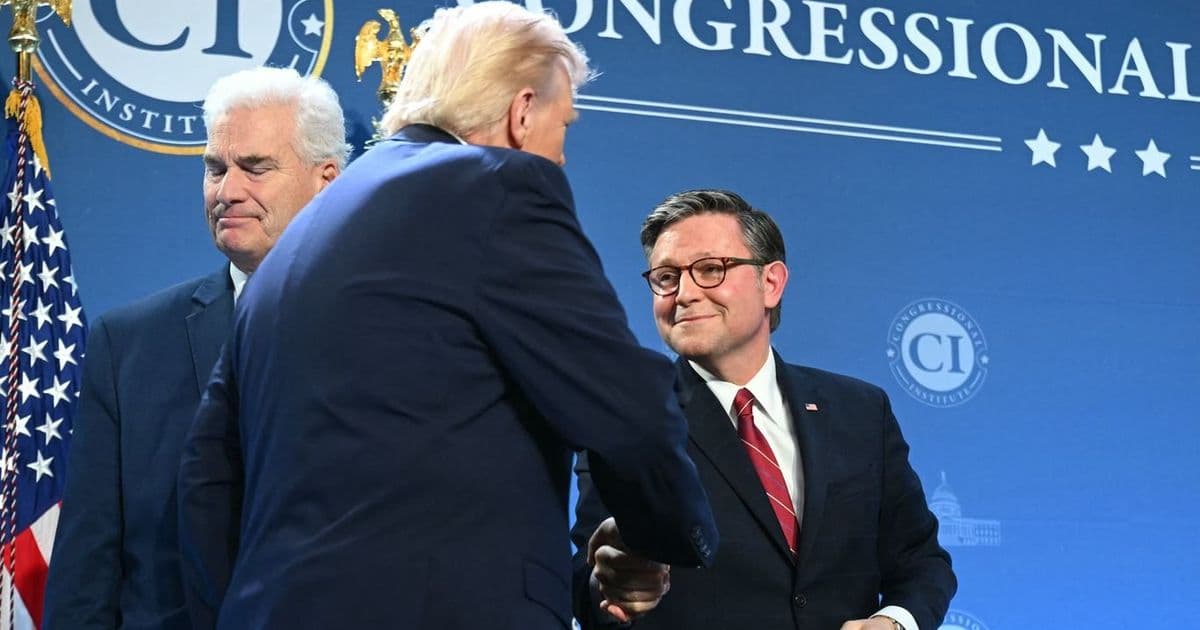
President Trump used the House Republican retreat to deliver clear directives on foreign policy and election integrity, signaling priorities for the party's legislative agenda.
President Trump used his address at the House Republican retreat in Miami to deliver two clear directives to GOP lawmakers: take a hardline stance on Iran and pass the SAVE Act, which would require proof of citizenship to vote in federal elections.
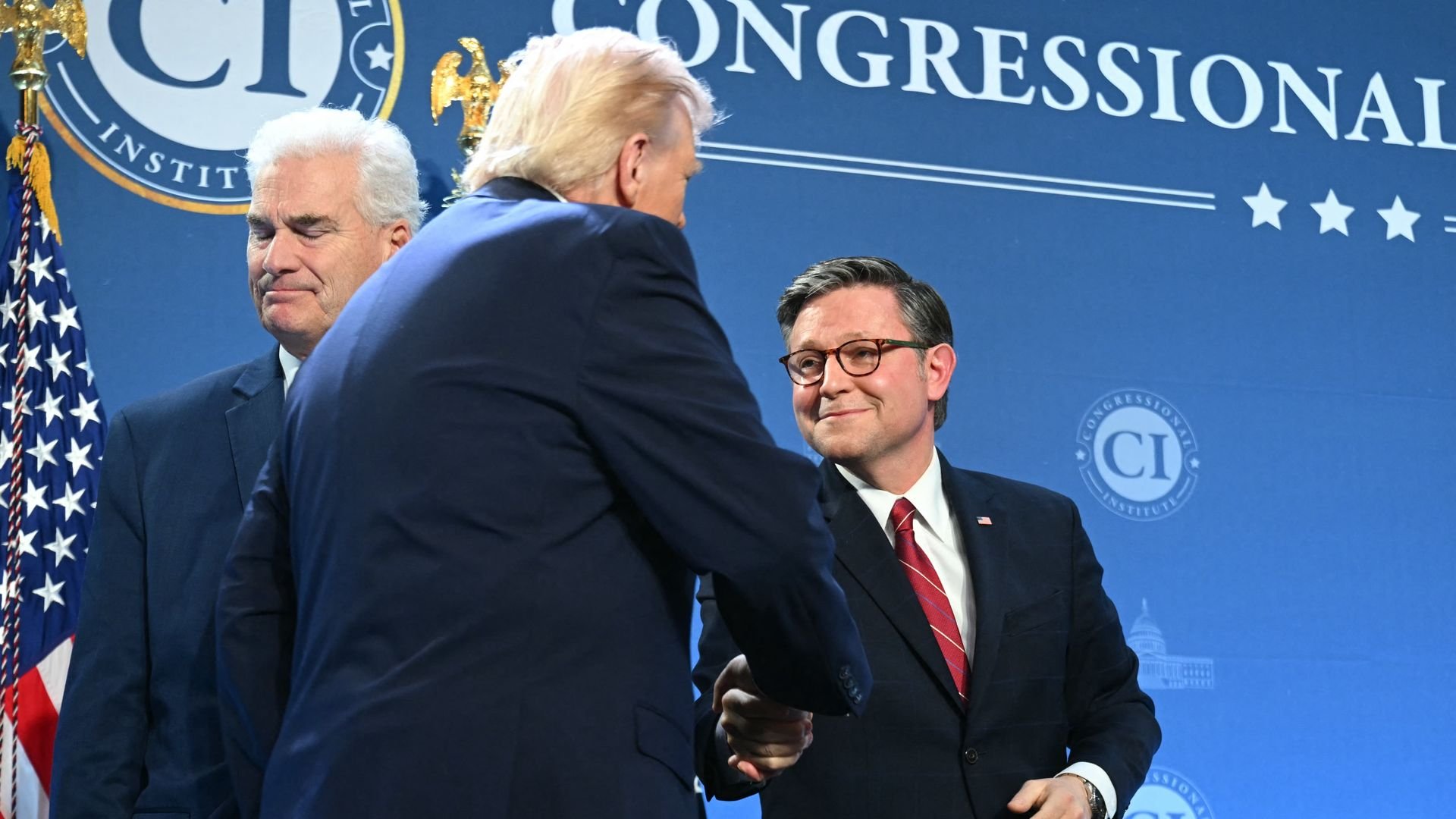
The remarks came during a closed-door session at Trump National Doral, where the president met with House Republicans to outline his legislative priorities for the coming months.
Iran Policy Takes Center Stage
Trump's comments on Iran represented his most forceful statements on the country since returning to office. According to sources familiar with the meeting, the president emphasized that any negotiations with Tehran must be conducted from a position of strength, warning against what he characterized as past administrations' willingness to make concessions.
The hardline approach aligns with Trump's previous administration's "maximum pressure" campaign, which included withdrawing from the Iran nuclear deal and imposing severe economic sanctions. The president reportedly told lawmakers that Iran's nuclear program remains his top foreign policy concern and that he expects Congress to support his administration's efforts to prevent Tehran from developing nuclear weapons.
SAVE Act Becomes Party Priority
On the domestic front, Trump made clear that passing the SAVE Act is now a central Republican priority. The legislation would require voters to provide documentary proof of U.S. citizenship before registering to vote in federal elections - a move Democrats argue could disenfranchise eligible voters.
"The president was very clear that this needs to happen," said one Republican lawmaker who attended the session. "He sees it as fundamental to election integrity and wants us to make it a top priority."
The timing of Trump's push is significant. With midterm elections approaching, Republicans are attempting to frame voter ID requirements as a mainstream issue rather than a partisan one. The president's endorsement provides political cover for lawmakers in competitive districts who might otherwise hesitate to champion the legislation.
Strategic Calculations
The dual focus on foreign policy and election integrity reflects a broader Republican strategy to energize the base while appealing to moderate voters concerned about both national security and election integrity. By linking these issues, Trump is attempting to create a narrative that connects international strength with domestic stability.
Political analysts note that this approach mirrors successful Republican campaigns from the 1980s, when national security and traditional values were combined to create a winning coalition. The question remains whether this strategy will resonate in an era of heightened partisan polarization.
Legislative Outlook
The president's directives come as Republicans hold narrow majorities in both chambers of Congress, making passage of controversial legislation challenging. The Iran policy direction may face less resistance, as both parties have historically supported tough stances on Tehran's nuclear ambitions.
The SAVE Act, however, faces a steeper climb. Senate Democrats have already signaled their opposition, and even some Republicans have expressed concerns about the practical implications of requiring additional documentation for voter registration.
What Happens Next
In the immediate term, House Republicans are expected to move quickly on both fronts. Committee hearings on the SAVE Act are already being scheduled, while the administration is preparing to announce new sanctions on Iran.
The president's ability to deliver on these priorities will likely serve as a key test of his influence over the Republican-controlled Congress and his effectiveness in advancing his agenda during the early months of his term.
For tech industry observers, the emphasis on election integrity could have implications for voting technology companies and election administration software providers, many of which are already facing increased scrutiny over their role in the electoral process.
Comments
Please log in or register to join the discussion