Trump's request for Asian allies to send warships to the Strait of Hormuz creates diplomatic tension as nations weigh US relations against Middle East entanglement risks.
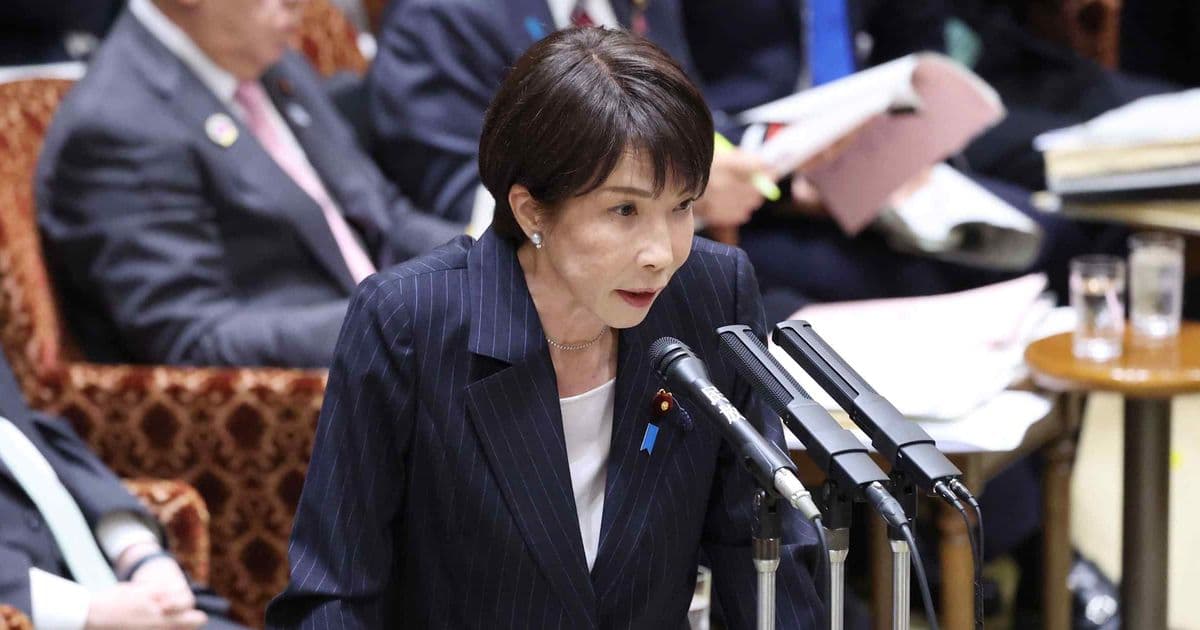
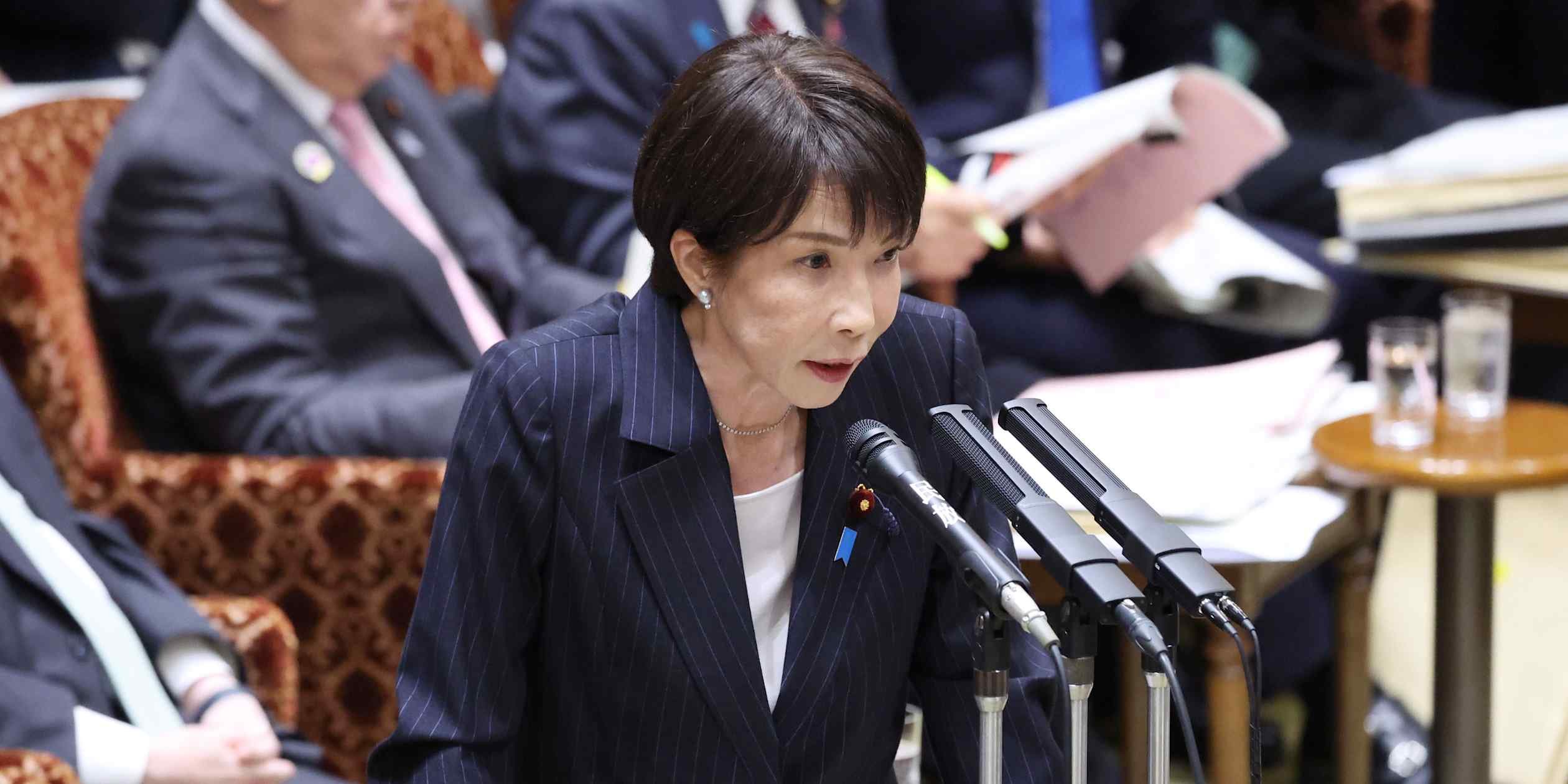
Japanese Prime Minister Sanae Takaichi's admission that escorting ships through the Strait of Hormuz would be "legally difficult" highlights the growing dilemma facing U.S. allies in Asia as they navigate President Donald Trump's call for naval support in the Middle East.
The request comes amid escalating tensions in the region, with the Strait of Hormuz serving as a critical chokepoint for global energy supplies. Approximately 20% of the world's oil passes through these waters, making any disruption a potential economic catastrophe for energy-dependent Asian economies.
Japan, South Korea, and China now find themselves in an uncomfortable position. While maintaining strong security ties with Washington remains paramount, direct military involvement in Middle Eastern conflicts carries significant risks:
- Economic exposure: Any military escalation could spike oil prices, directly impacting manufacturing and transportation costs
- Diplomatic balancing: Closer alignment with U.S. Middle East policy might strain relations with Iran and other regional powers
- Domestic political pressure: Public opinion in many Asian countries remains wary of military entanglements abroad
South Korea has expressed "serious concern" about currency fluctuations potentially linked to regional instability, while Japan's monetary policy considerations now must factor in geopolitical risk premiums.
The timing is particularly sensitive as Asian nations grapple with their own regional security challenges. Japan's defense spending increases and South Korea's military modernization efforts reflect growing concerns about North Korea and China, making additional Middle East commitments logistically and politically complex.
China's position adds another layer of complexity. As the world's largest oil importer, Beijing has the most to lose from Hormuz disruptions but also maintains strategic partnerships with Iran that could be jeopardized by direct military involvement in U.S.-led operations.
For now, Asian capitals appear to be pursuing a cautious approach, offering diplomatic support while avoiding concrete military commitments. This strategy allows them to maintain alliance credibility with Washington while minimizing exposure to Middle Eastern volatility.
The situation underscores a broader shift in global power dynamics, where Asian economic interests are increasingly at odds with traditional security alignments. As energy security becomes more critical to Asian prosperity, the region's ability to chart an independent course on global security matters may determine its long-term strategic autonomy.
Comments
Please log in or register to join the discussion