
President Trump's campaign promises of peace negotiations face significant challenges as he navigates complex international conflicts, with analysts questioning the feasibility of his diplomatic approach.
President Trump's campaign promises of ending foreign conflicts and pursuing peace negotiations have created significant tension with the realities of his wartime presidency. As military operations continue in multiple regions, the gap between campaign rhetoric and presidential action has become increasingly apparent.
During his campaign, Trump repeatedly promised to end "endless wars" and bring American troops home. His administration has initiated some troop withdrawals, particularly from Afghanistan, but critics argue these moves have been inconsistent and sometimes chaotic. The rapid withdrawal from Afghanistan in 2021, while fulfilling a campaign promise, led to the collapse of the Afghan government and a humanitarian crisis.
The president's approach to peace negotiations has been equally complex. While he has engaged in direct talks with adversaries like North Korea, these negotiations have yet to produce lasting agreements. His administration's "maximum pressure" campaign against Iran has instead led to increased regional tensions and attacks on American interests.
Military experts point out that Trump's peace promises often conflict with his administration's aggressive military posture. The president has authorized numerous airstrikes and special operations missions, while simultaneously claiming to seek diplomatic solutions. This apparent contradiction has confused allies and emboldened adversaries.
The economic impact of these conflicting policies has been substantial. Defense spending has reached record levels under Trump, even as he claims to be reducing America's military footprint abroad. The Pentagon's budget for 2021 exceeded $700 billion, raising questions about the administration's commitment to peace.
International relations have been particularly strained by Trump's approach. Traditional allies have expressed concern about the reliability of American security guarantees, while adversaries have tested the limits of Trump's diplomatic patience. The president's personal diplomacy style, characterized by unpredictable tweets and sudden policy shifts, has made long-term planning difficult for both friends and foes.
Humanitarian organizations have criticized the administration's approach to conflict zones. While promising peace, Trump has cut aid to regions affected by war and has been slow to address refugee crises. The administration's policies have often seemed to prioritize domestic political considerations over humanitarian concerns.
The president's peace promises have also faced challenges from within his own administration. Key advisors, including Secretary of State Mike Pompeo and former National Security Advisor John Bolton, have sometimes advocated for more hawkish policies that contradict Trump's stated desire for peace.
As the 2020 election approaches, Trump's peace promises remain a central part of his campaign message. However, the gap between these promises and the reality of his presidency has become a significant vulnerability. Critics argue that his approach to foreign policy has been more about style than substance, with little to show for his diplomatic efforts.
The long-term implications of Trump's peace promises are still unclear. While he has certainly changed the tone of American foreign policy, the fundamental structures of American military engagement abroad remain largely intact. The challenge of balancing campaign promises with the realities of global leadership continues to define his presidency.
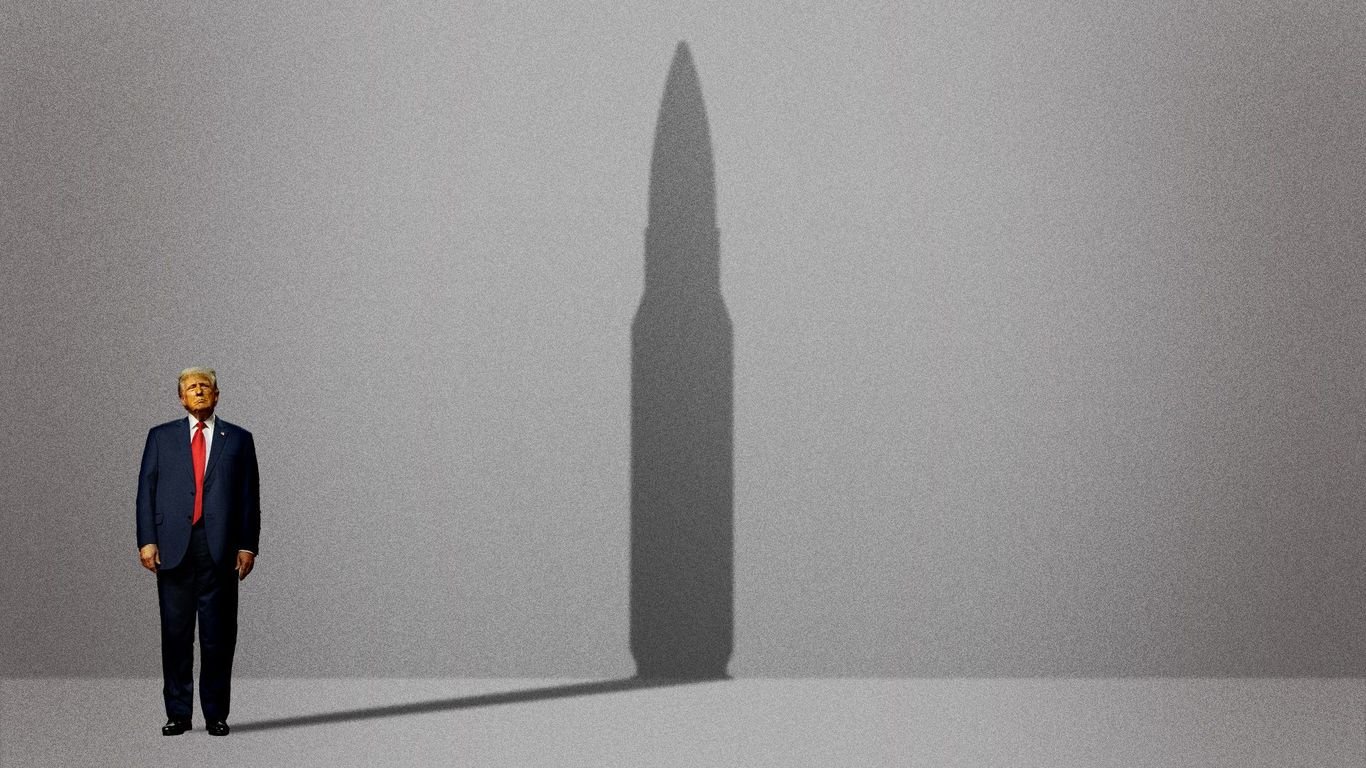
As Trump seeks reelection, his ability to deliver on his peace promises will likely be a key factor in voters' decisions. The tension between his rhetoric and his record on foreign policy presents both opportunities and challenges for his campaign. How he navigates this complex landscape in the coming months could determine not only his political future but also America's role in the world for years to come.
Comments
Please log in or register to join the discussion