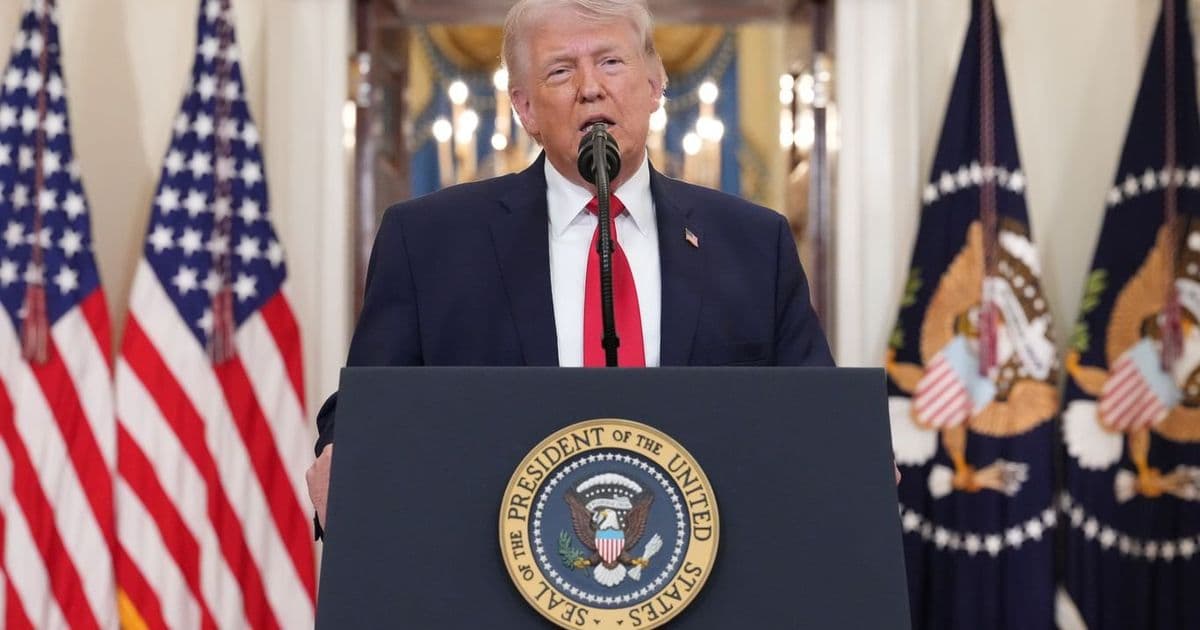
President Trump has announced plans for a massive bombing campaign against Iran, threatening to bomb the country 'back to the stone ages' within the next 2-3 weeks. The statement escalates tensions between the two nations amid ongoing nuclear negotiations and regional conflicts.
President Donald Trump has made an extraordinary threat against Iran, declaring that the United States will launch a bombing campaign that would reduce the country "back to the stone ages" within the next two to three weeks.
The statement, delivered during a recent speech, represents one of the most aggressive public threats against Iran from a sitting U.S. president in recent history. The comments come amid heightened tensions between Washington and Tehran over Iran's nuclear program and its support for proxy groups across the Middle East.
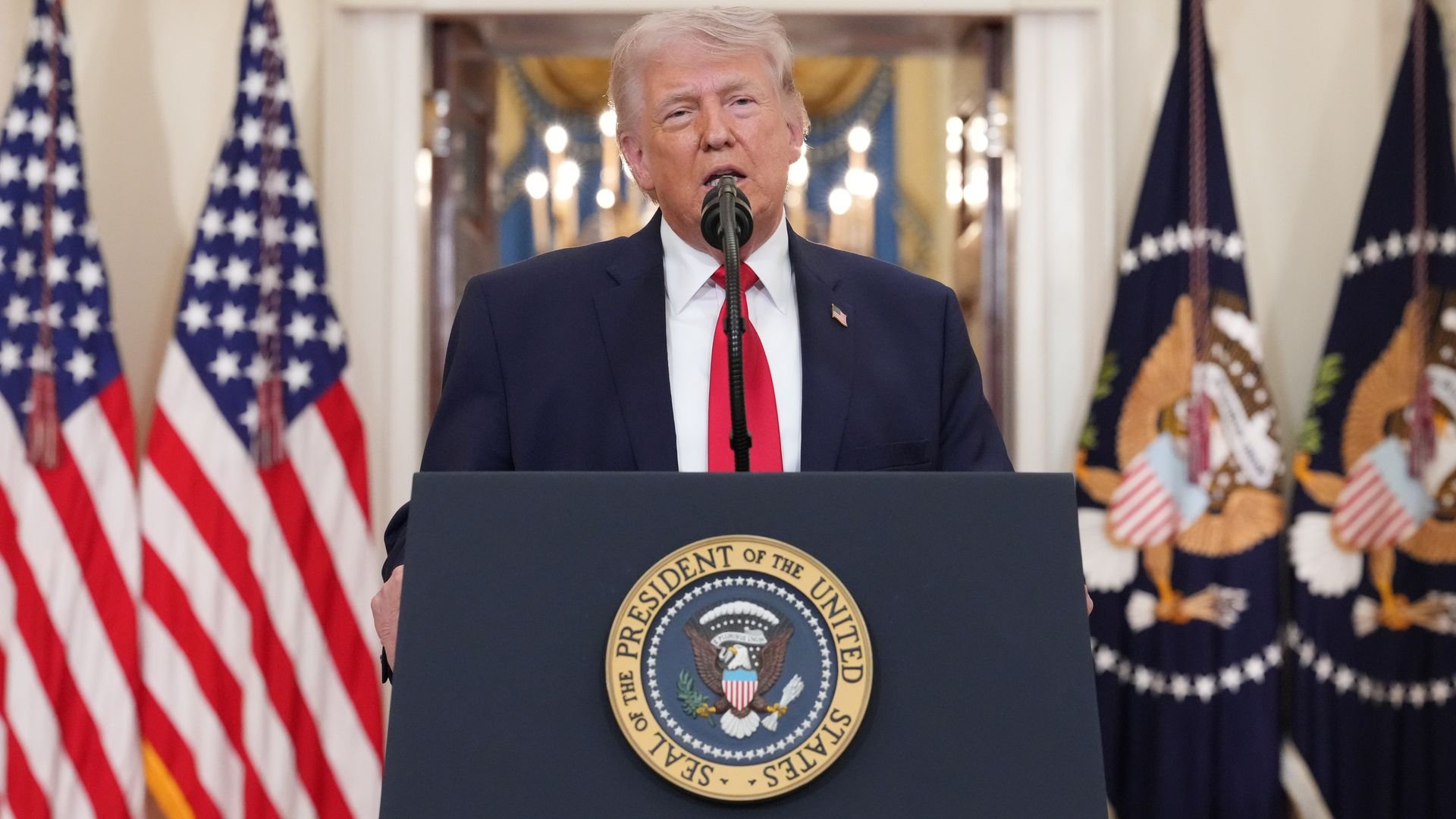
Trump's rhetoric marks a significant escalation in the already strained relationship between the two nations. The president's use of the phrase "back to the stone ages" suggests a campaign of overwhelming force rather than targeted strikes, raising concerns about potential civilian casualties and regional destabilization.
The timing of this threat is particularly noteworthy, coming as diplomatic efforts to revive the 2015 nuclear deal have stalled. Iran has been gradually reducing its compliance with the agreement since the Trump administration withdrew from it in 2018, and recent months have seen increased military activity from both sides in the Persian Gulf.
Military analysts are divided on the feasibility and implications of such a campaign. While the U.S. military possesses overwhelming conventional capabilities, experts warn that a sustained bombing campaign against Iran would face significant challenges, including Iran's sophisticated air defense systems and the potential for asymmetric responses through proxy forces across the region.
The threat has already drawn sharp reactions from Iranian officials, who have vowed to respond to any military action. The Islamic Revolutionary Guard Corps has conducted numerous military exercises in recent weeks, showcasing new missile systems and naval capabilities that could be deployed in a conflict scenario.
Regional allies of the United States have expressed concern about the potential for a wider conflict. Saudi Arabia, the United Arab Emirates, and other Gulf states have urged restraint, fearing that military action could disrupt oil supplies and trigger attacks on their own territories through Iranian-backed militias.
The international community has also responded with alarm to Trump's comments. European allies, who have been working to salvage the nuclear agreement, have called for de-escalation and renewed diplomatic efforts. The United Nations Security Council is expected to discuss the situation in an emergency session.
Economic implications of such a conflict would be severe. Oil prices have already shown volatility in response to the threat, with Brent crude futures rising on concerns about potential disruptions to Middle East oil supplies. A full-scale conflict could send prices significantly higher, impacting global economic recovery efforts.
Historical context is important here. Previous U.S. presidents have threatened military action against Iran but have generally stopped short of such explicit language about the scale of potential attacks. The "stone ages" reference evokes memories of the 1991 Gulf War, when then-President George H.W. Bush threatened to bomb Iraq "back to the pre-industrial age."
Military experts note that Iran has spent decades preparing for potential conflict with the United States, dispersing military assets across the country and developing asymmetric warfare capabilities. Any bombing campaign would likely face significant resistance and could not achieve the kind of rapid, decisive victory that Trump's comments might suggest.
The threat also raises questions about the Trump administration's broader Middle East strategy. With U.S. forces already stretched thin across multiple theaters, a major military operation against Iran would require significant resources and could create power vacuums that other adversaries might seek to exploit.
As the 2-3 week timeline mentioned by Trump approaches, all eyes will be on both Washington and Tehran to see whether diplomacy can prevail or whether the region is headed toward a major military confrontation that could reshape the geopolitical landscape of the Middle East for years to come.
Comments
Please log in or register to join the discussion