President Trump issues 48-hour ultimatum to Iran over Strait of Hormuz, threatening military strikes on power infrastructure if the strategic waterway remains closed.
President Donald Trump has issued a 48-hour ultimatum to Iran, demanding the immediate reopening of the Strait of Hormuz or facing U.S. military strikes on Iranian power plants and energy infrastructure.
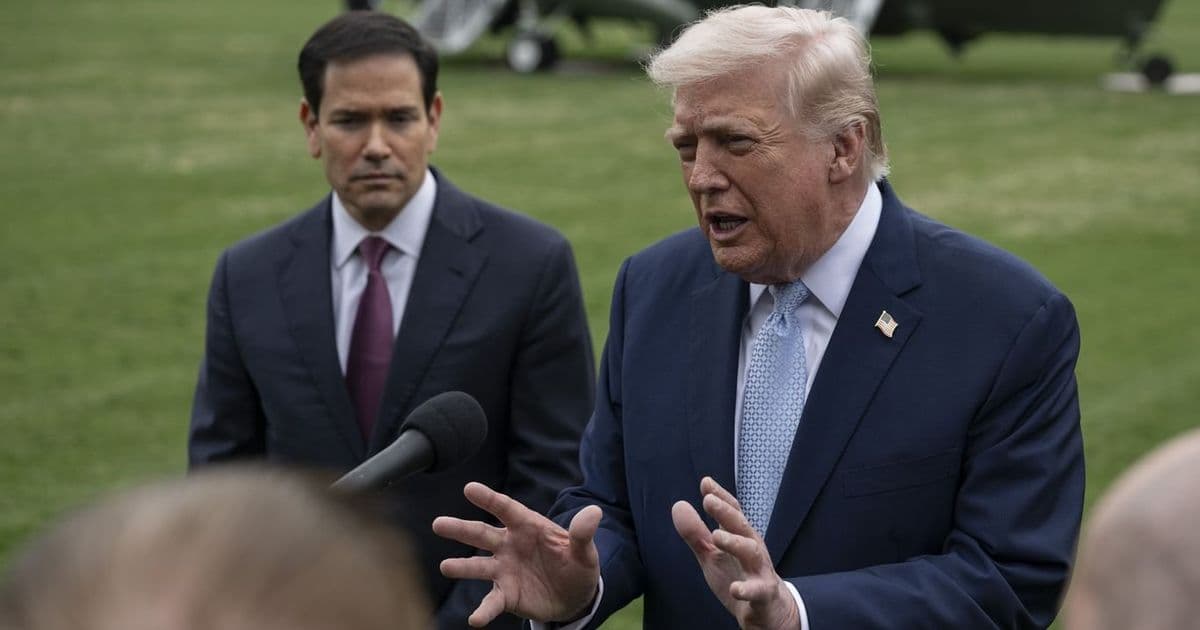
Speaking from the White House South Lawn on March 20, 2026, Trump delivered the stark warning alongside Secretary of State Marco Rubio. The ultimatum comes amid escalating tensions over Iran's control of the strategic waterway through which approximately 20% of global oil supplies pass.
Strategic Importance of Hormuz
The Strait of Hormuz represents one of the world's most critical maritime chokepoints. Located between Iran and Oman, the narrow passage connects the Persian Gulf with the Gulf of Oman and the Arabian Sea. Any prolonged closure would immediately disrupt global oil markets, potentially driving prices above $100 per barrel and causing severe economic ripple effects worldwide.
Iran has periodically threatened to close the strait in response to U.S. sanctions and military pressure, though actually executing such a move would constitute an act of war against multiple nations dependent on the waterway for energy exports.
Economic and Market Implications
Financial markets reacted swiftly to Trump's ultimatum, with crude oil futures jumping 3.2% in overnight trading. Energy analysts estimate that a complete closure of Hormuz for even one week could cost the global economy over $500 billion in lost economic activity and increased transportation costs.
Major oil companies including ExxonMobil, Chevron, and Saudi Aramco have already begun activating contingency plans for alternative shipping routes, though no viable long-term alternatives exist for the volume of oil that transits Hormuz daily.
Regional Security Dynamics
The ultimatum intensifies already heightened tensions in the Middle East. U.S. military assets, including the USS Gerald R. Ford carrier strike group, have been positioned near the Persian Gulf in recent weeks. Iranian Revolutionary Guard Corps naval forces have conducted exercises in the strait, demonstrating capabilities to potentially mine or obstruct the waterway.
European allies have urged de-escalation, with Germany and France calling for renewed diplomatic engagement. However, Trump administration officials maintain that Iran's continued nuclear program development and support for regional proxy forces leaves no room for negotiation.
Historical Context
This represents one of the most direct military threats issued by a U.S. president to Iran since the 1979 Islamic Revolution. Previous confrontations over Hormuz occurred during the Tanker War in the 1980s and again in 2019 when Iran seized a British-flagged vessel.
Iran's economy, already strained by years of sanctions, would face catastrophic damage from strikes on power infrastructure. The country's aging electrical grid relies heavily on natural gas and oil-fired plants, making it particularly vulnerable to targeted attacks.
What Happens Next
With the 48-hour deadline approaching, intelligence agencies worldwide are monitoring for signs of Iranian compliance or preparation for potential conflict. The coming days will determine whether diplomatic channels can avert what would be the most significant U.S.-Iran military confrontation in decades.
The situation remains fluid, with global markets, energy supplies, and regional stability hanging in the balance as the deadline looms.
Comments
Please log in or register to join the discussion