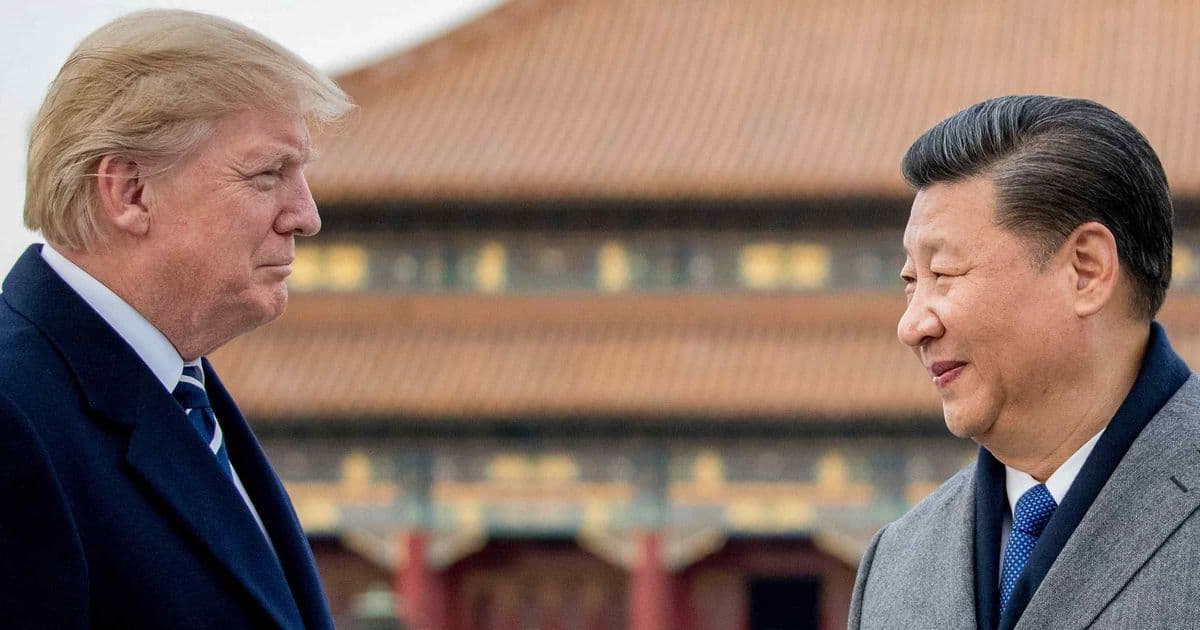
As Beijing prepares to host President Trump amid escalating Middle East tensions, both leaders navigate complex economic challenges and shifting global alliances.
When Donald Trump and Xi Jinping meet in Beijing next week, their summit will unfold against a backdrop of unprecedented geopolitical complexity. The meeting, reminiscent of their 2017 Florida encounter where Trump abruptly mentioned missile strikes on Syria while dining with Xi, now occurs amid heightened military tensions in the Middle East that cast a long shadow over US-China relations.
The timing couldn't be more delicate. With US military engagements in the region creating ripple effects across global markets, both presidents face economic headwinds that have reshaped their strategic priorities. China's recent decision to cut its 2026 GDP growth target to 4.5%-5% marks the lowest in decades, reflecting the economic challenges exacerbated by regional instability and ongoing trade tensions.
"This summit represents more than a diplomatic meeting; it's a recalibration point in global power dynamics," explains Zhang Wei, senior fellow at the East Asia Institute. "Both leaders must balance immediate economic concerns with long-term strategic positioning in a rapidly changing geopolitical landscape."
Market implications are already evident. Asian markets have rallied on signals of potential progress in US-Iran negotiations, while China's solar exports reached record highs in March amid the same tensions. The juxtaposition reveals how regional conflicts create both challenges and opportunities for major economies.
Economic data tells a story of cautious optimism mixed with persistent challenges:
- China's factory prices logged their first increase in years, with the Iran conflict helping counter deflationary pressures
- China's GDP growth accelerated to 5% despite the Iran war, though this remains below pre-pandemic levels
- Shenzhen Metro posted a record $5.5 billion loss, highlighting vulnerabilities in China's economic model
The US-China economic relationship remains complex, with American companies citing China's economy as their primary concern despite ongoing tensions. This paradox reflects the deep interdependence that continues to shape bilateral relations even as geopolitical competition intensifies.
Defense cooperation in the region tells another part of the story. Recent agreements between India and Vietnam on defense and minerals, alongside the strengthened US-Philippines alliance under Trump, indicate how nations are positioning themselves amid shifting power dynamics. "The summit's success will be measured not in joint statements, but in tangible outcomes that address both immediate economic concerns and long-term strategic stability," notes Michael Tan, analyst at the Global Policy Institute. "The cloud of Iran uncertainty makes this negotiation particularly delicate, as both sides must balance domestic pressures with international obligations."
For businesses operating in the region, the summit represents a critical inflection point. Companies like Apple and automakers face particular challenges, balancing global cooperation with protectionist pressures at home. The recent Chinese block of the Meta-Manus deal has already sent ripples through the tech investment community, signaling continued regulatory uncertainty.
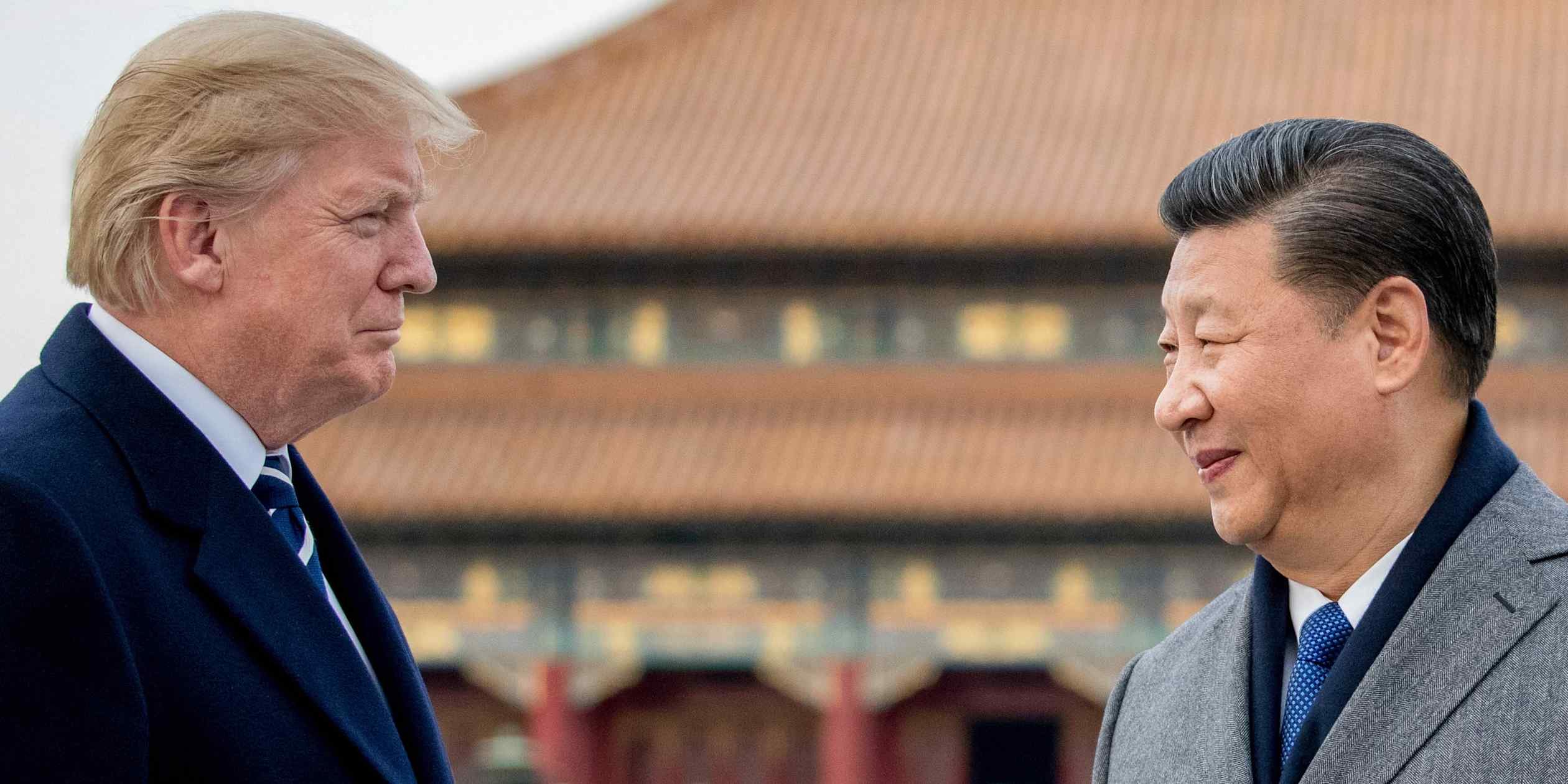
As Beijing prepares to host Trump, the city's streets reflect a nation grappling with economic transitions while maintaining its global ambitions. The Forbidden City, venue for past diplomatic encounters between the two leaders, once again stands as a backdrop to discussions that will shape the geopolitical landscape for years to come.
Comments
Please log in or register to join the discussion