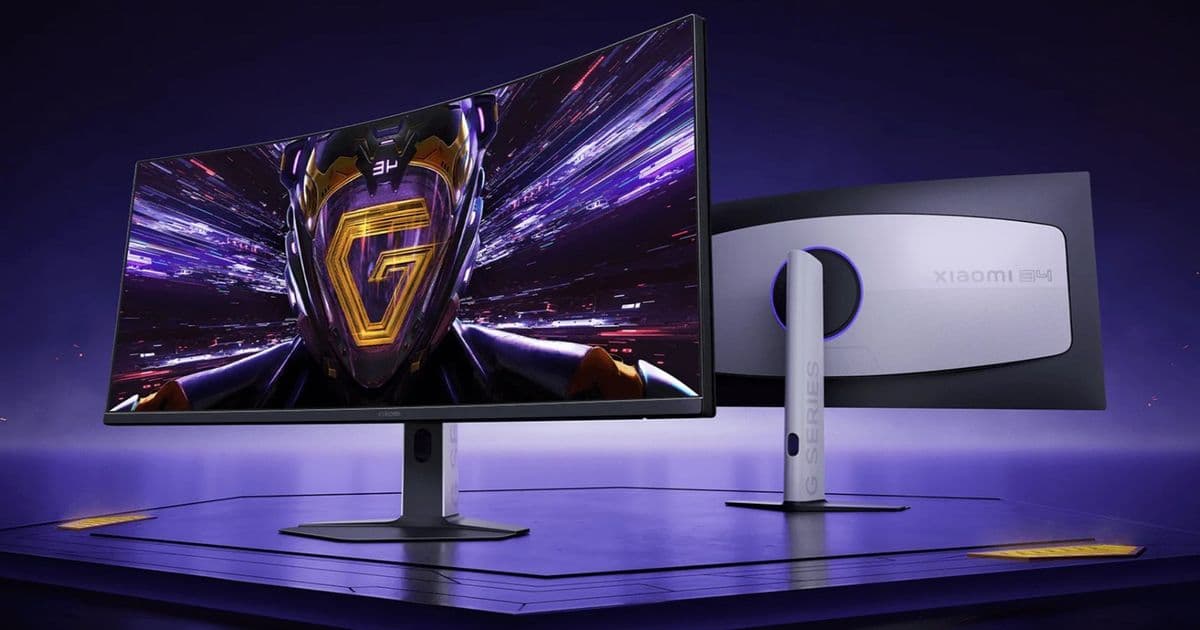
Xiaomi’s G34WQi 2026 budget ultrawide gaming monitor is now available in Malaysia, Singapore, and the UK, offering a 180 Hz curved 3440x1440 panel at prices starting under $310 USD.
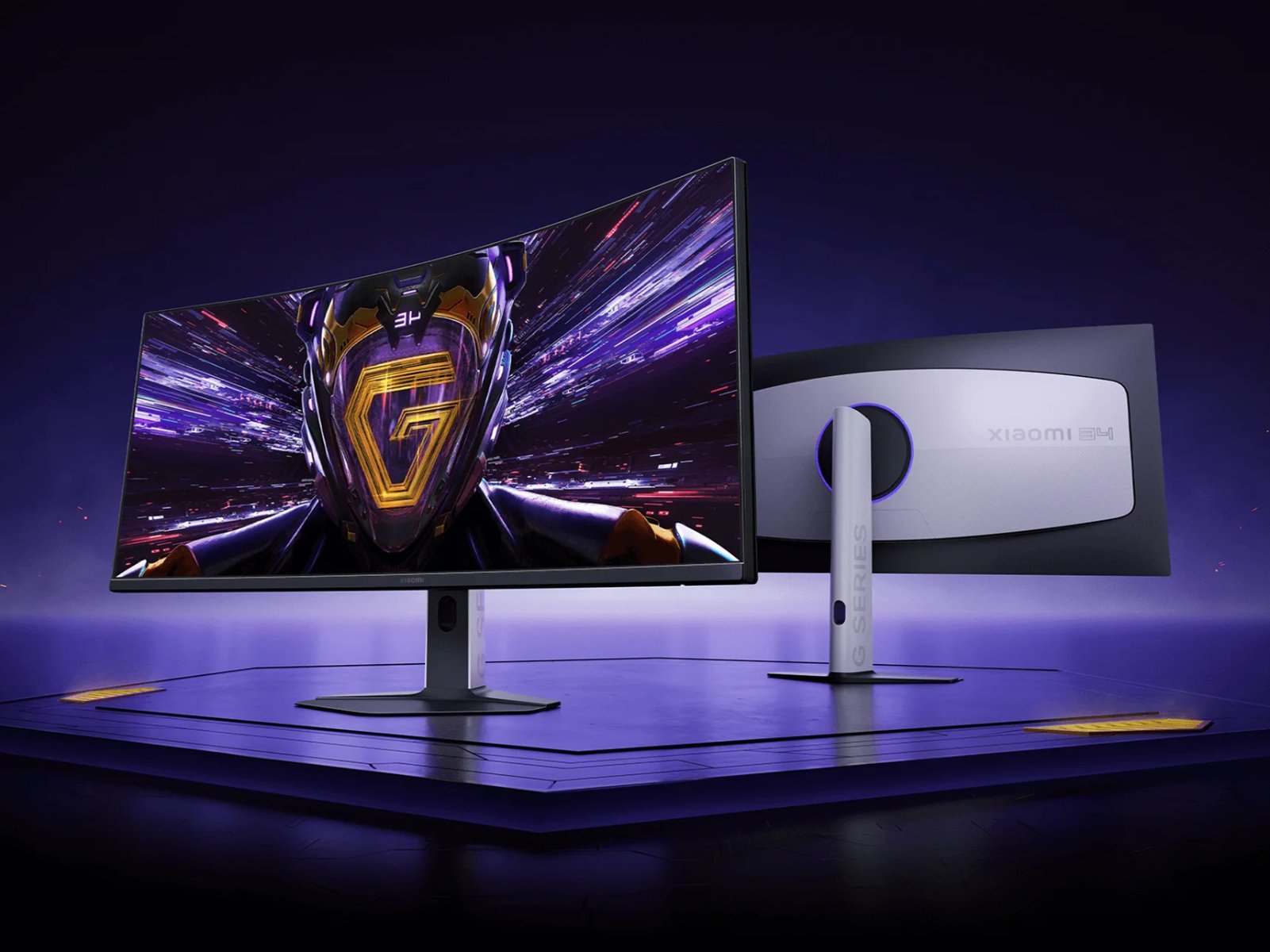
Xiaomi has expanded global availability of its G34WQi 2026 curved gaming monitor, bringing the budget ultrawide panel to Malaysia, Singapore, and the UK after an initial exclusive launch in Australia. The 2026 edition was first listed on Xiaomi’s global website in November 2025, serving as a direct replacement for the original G34WQi that launched over two years ago and currently retails for $299 on Amazon. Australia remains a supported market for the monitor alongside the three new regions.
Pricing varies slightly across new markets. In Malaysia, the monitor is listed for MYR 1,199, approximately $306 USD. Singapore buyers pay SGD 409, roughly $323 USD, while UK customers are charged £259.99, around $355 USD. These prices place the G34WQi 2026 firmly in the budget ultrawide gaming monitor category, undercutting many competing models from established monitor brands. Xiaomi has not elaborated on plans to bring the G34WQi 2026 to other markets, including the US and mainland Europe, beyond the current four available regions.
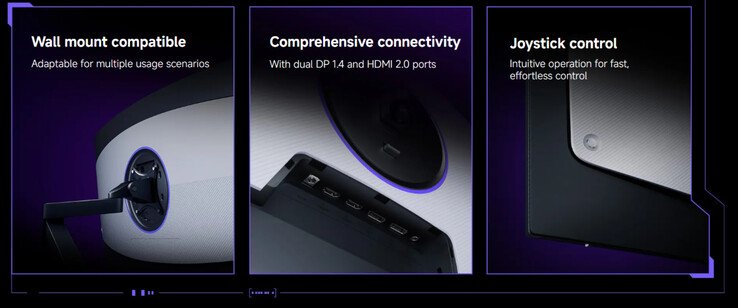
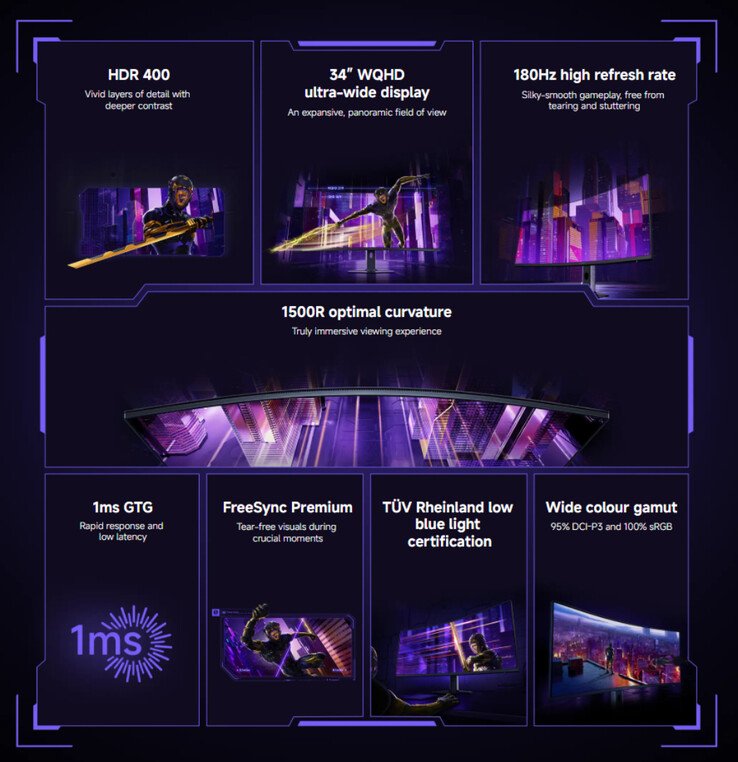
The G34WQi 2026 uses a 34-inch VA panel with a 1500R curvature and 21:9 aspect ratio, outputting a 3440x1440 resolution at 180 Hz. Xiaomi quotes a 1 ms GtG response time and 400 nits peak brightness for the panel. Connectivity is limited to dual DisplayPort 1.4 ports and dual HDMI 2.0 ports, with no USB ports or built-in USB hub included.
How it compares to predecessors and competitors
Compared to its predecessor, the original G34WQi, the 2026 edition offers a significant refresh rate bump. While Xiaomi has not disclosed the original model’s official refresh rate, most budget ultrawides from that era topped out at 144 Hz, making the new 180 Hz panel a 25% improvement for fast-paced gaming. Pricing for the new model is slightly higher than the original’s current $299 MSRP, though regional taxes and import costs account for the variation across markets.
The G34WQi 2026 competes directly with models like the AOC CU34G2X and Dell S3422DWG, both 34-inch 144 Hz VA ultrawides with similar 3440x1440 resolutions. The AOC model retails for ~$350 USD and includes a USB 3.0 hub, a feature missing from Xiaomi’s monitor. The Dell S3422DWG sells for ~$380 USD, also with a USB hub and slightly better build quality. Xiaomi’s higher 180 Hz refresh rate gives it an edge for competitive gamers, but buyers who need to connect peripherals via the monitor will prefer the competition.
Buyers planning to use the full 180 Hz refresh rate should note connectivity limitations. DisplayPort 1.4 supports the necessary bandwidth for 3440x1440 at 180 Hz using Display Stream Compression, but HDMI 2.0 is limited to ~100 Hz at that resolution. Buyers must use the DisplayPort inputs to take full advantage of the monitor’s high refresh rate, a common limitation for budget monitors that cut costs by omitting HDMI 2.1.
Who should buy the G34WQi 2026
The G34WQi 2026 is aimed at budget-conscious gamers who want an immersive ultrawide experience without paying premium prices. The 1500R curvature wraps around the viewer’s field of vision, improving immersion in open-world and simulation games, while the 180 Hz refresh rate reduces motion blur in fast-paced titles like Valorant, Apex Legends, and Call of Duty. VA panel technology offers 3000:1 typical contrast ratios, far higher than the 1000:1 common to IPS panels, making it a better choice for gamers who play in dark rooms or enjoy horror and stealth games with lots of shadow detail.
This monitor is not ideal for creative professionals who need accurate color reproduction, as Xiaomi has not disclosed sRGB or DCI-P3 color gamut coverage, a common omission for budget VA panels. It also lacks USB ports, so users who want to connect keyboards, mice, or webcams directly to the monitor will need to plug them into their PC instead. The 400 nits peak brightness is adequate for most indoor use but may struggle in very bright rooms with direct sunlight.
Buyers upgrading from a 16:9 1080p or 1440p monitor will notice the extra screen real estate for productivity tasks, such as side-by-side document editing or video editing timelines. The 3440x1440 resolution hits a sweet spot for GPU load, as it requires less power than 4K while offering sharper text and images than 1080p ultrawides.
Comments
Please log in or register to join the discussion