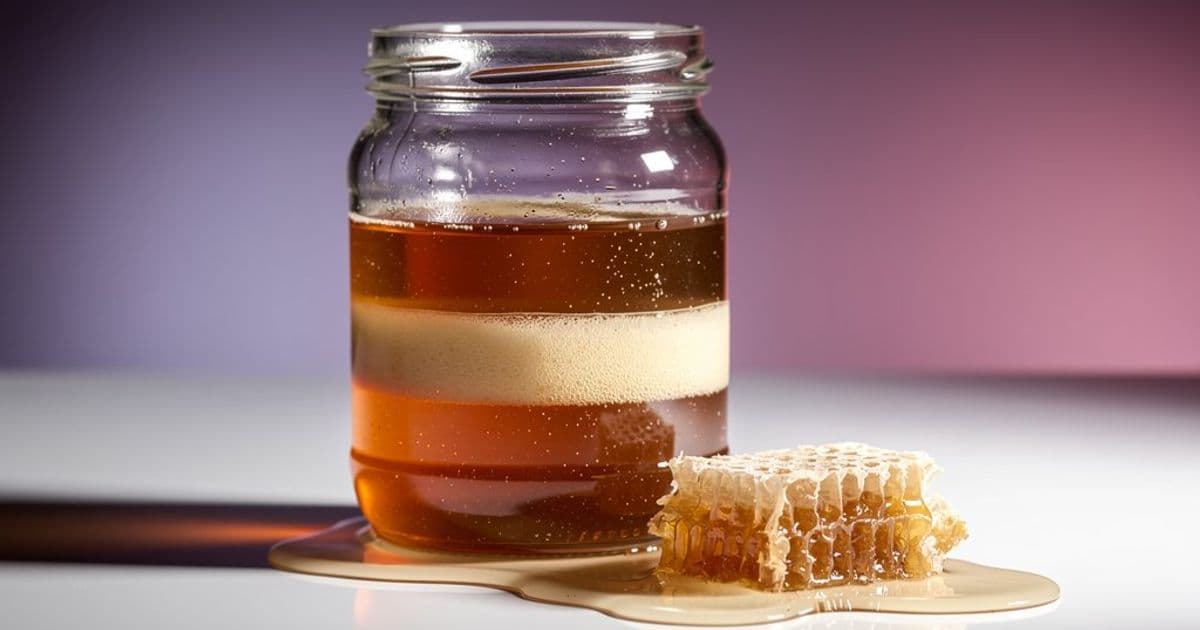
Turkey battles counterfeit honey infiltrating markets as inflation and declining beekeepers create vulnerabilities in its $2.3 billion industry.
Turkey, the world's third-largest honey producer, faces an escalating crisis as counterfeit products flood domestic markets, threatening both consumer trust and its $2.3 billion beekeeping industry. Government agencies report a sharp rise in adulterated honey—commonly diluted with corn syrup or sugar solutions—as economic pressures create fertile ground for fraud.
Several factors drive this surge. Annual inflation exceeding 60% has squeezed household budgets, making consumers vulnerable to cheaper counterfeit products. Simultaneously, Turkey's beekeeper population has dwindled by 15% over three years due to climate-related challenges and rising production costs, reducing authentic supply. Genuine honey production requires significant labor and floral resources, while counterfeit versions can be manufactured at a fraction of the cost.
The Agriculture Ministry is implementing nationwide authenticity testing protocols, including advanced pollen analysis and isotope testing to detect synthetic additives. 'We're targeting marketplaces, factories, and export channels,' stated a ministry representative. The crackdown follows international trade disputes after several countries rejected Turkish honey shipments last year over purity concerns.
This crisis impacts Turkey's 120,000 professional beekeepers most acutely. Many report sales declines of up to 30% as fraudulent products undercut prices. Industry analysts warn that without intervention, Turkey risks losing its position in global honey exports, which generated $400 million in revenue last year. Consumer advocacy groups urge stricter penalties for counterfeit operations, noting that authentic Turkish honey commands premium prices internationally for its distinct floral varieties.
Comments
Please log in or register to join the discussion