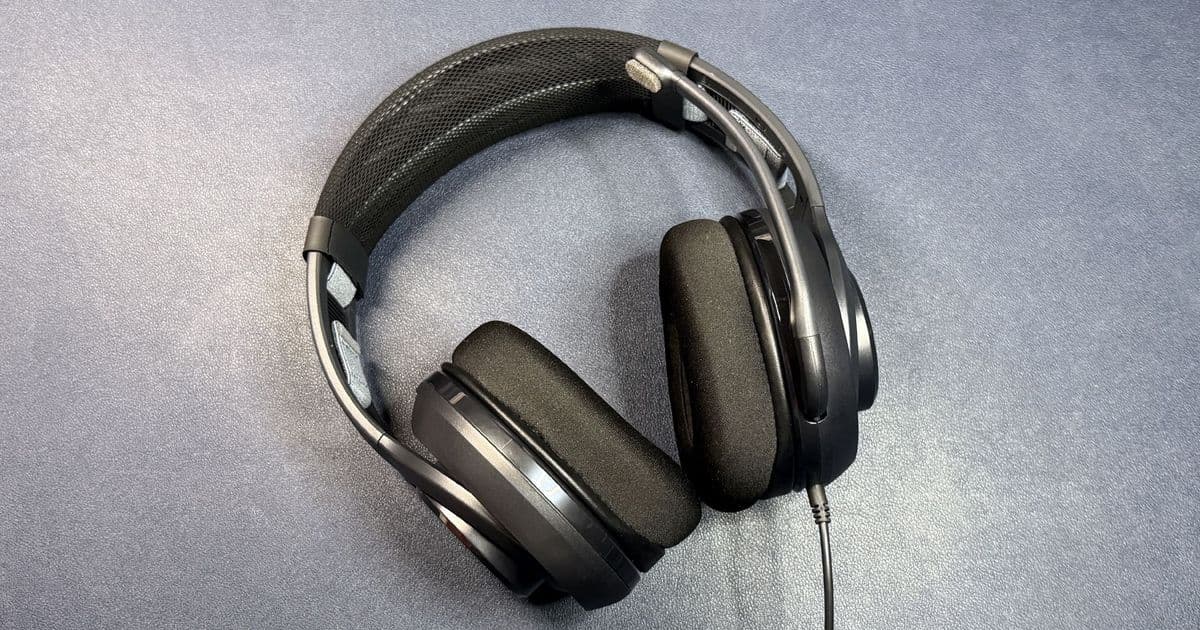
The Turtle Beach Atlas 200 delivers audio performance that punches well above its $60 price tag, offering a lightweight, comfortable design and surprisingly open soundstage that rivals headsets twice its cost.
The Turtle Beach Atlas 200 enters the budget gaming headset market with a surprising proposition: it looks and sounds like a much more expensive product. At just $60, this wired over-ear headset borrows its design language from the $180 Atlas Air while making strategic compromises to hit an accessible price point.
Design and Build Quality
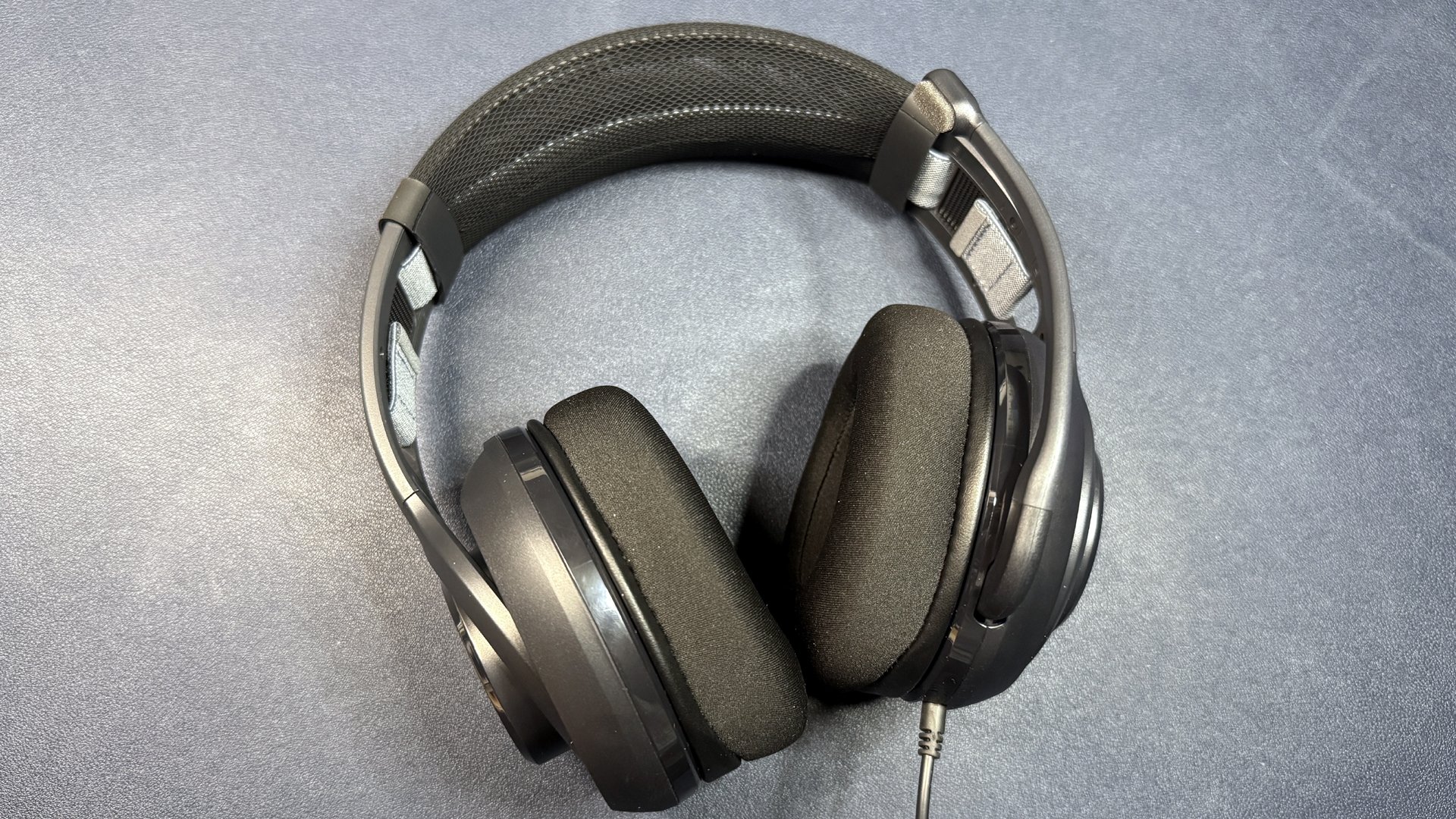
The Atlas 200 features a lightweight plastic frame with a mesh suspension headband that uses an elastic band to distribute weight. This "floating" headband design measures approximately 12 inches (304.8mm) at its minimum length and relies on velcro adjustments that face inward toward the head. While this works well for smaller to medium heads, users with larger heads may find the elastic band reaches its loosest setting without adequate padding.
The earcups are large and round, covered in Turtle Beach's "ProSpecs" dual-foam pads. These use softer foam around the front edge to accommodate glasses wearers—a thoughtful touch at this price point. The fabric covering is a slippery "athletic weave" that doesn't trap heat but does feel less premium than leatherette.
At 9.88 ounces (280g), the Atlas 200 is lighter than the Atlas Air (10.61oz/301g) and competitive with the SteelSeries Arctis Nova 1 (8.3oz/235g). The headset's flexibility compensates for its lack of swiveling earcups, allowing it to conform to various head shapes despite limited adjustability.
Connectivity and Controls
The Atlas 200 uses a non-detachable 6.5-foot (2m) rubber 3.5mm cable with a 4-pole connector. This is one of the headset's main compromises—if the cable fails, the entire headset becomes unusable. The cable terminates in a standard 3.5mm plug and includes a 3.5mm-to-USB-A adapter that functions as a DAC.
Controls are minimal: a single volume wheel on the left earcup and a flip-to-mute boom microphone. The mic has three positions—up halfway or fully up both mute the microphone, providing flexibility for quick muting.
The included USB adapter is more significant than it appears. It supports 24-bit/96kHz audio and acts as a sound card, bypassing your computer's built-in audio hardware. This adapter also unlocks Turtle Beach's Swarm software features, which we'll discuss later.
Audio Performance
Gaming
The Atlas 200 uses 50mm "Nanoclear" dynamic drivers with a standard 20-20,000 Hz frequency response. When connected via the USB adapter, the headset delivers impressive audio quality that challenges expectations for a $60 product.
Bass response is powerful and present without being overwhelming in most gaming scenarios. In titles like Uncharted 4 and Where Winds Meet, I could distinguish environmental details, weapon sounds, and character dialogue clearly. The midrange is full and rounded, providing body to explosions and vocal performances.
Most notably, the Atlas 200 creates a surprisingly wide soundstage for a closed-back headset. It doesn't match the natural openness of the Atlas Air's semi-open design, but it comes close enough that positional audio in competitive games feels reliable.
Music
Music playback reveals the headset's bass emphasis. Bass-heavy tracks like Kaskade's "POW POW POW" can overwhelm the mids and highs, though this is common for gaming headsets prioritizing impact over flat response. For general listening, the dynamic soundstage and present midrange make for enjoyable playback, especially for rock, pop, and electronic genres.
Microphone
The uni-directional boom mic delivers clear voice capture suitable for Discord calls and in-game chat. Background noise from PC fans is suppressed reasonably well, though mechanical keyboard clicks and rapid typing are audible. Voice quality isn't podcast-grade, but teammates will understand you without strain.
Software Features
Turtle Beach Swarm software provides several enhancement options:
- Superhuman Hearing: Boosts specific frequency ranges for footsteps and weapon sounds
- Waves 3D Audio: Virtual surround processing for spatial audio
- 10-band EQ: Fully customizable equalization for both audio output and microphone input
- Chat Boost: Automatically increases voice chat volume when game audio rises
- Mic Monitoring: Sidetone for hearing your own voice
These features require the USB adapter, as the 3.5mm-only connection bypasses the software processing.
Trade-offs and Limitations
The Atlas 200 makes several compromises to reach $60:
Non-detachable cable: The rubber cable is vulnerable to damage from pets, chair casters, or general wear. During testing, I experienced intermittent connection issues requiring cable wiggling—a concerning sign for long-term durability.
Limited adjustability: No earcup swivel or height adjustment means the headset must fit your head shape as-is. The elastic headband provides some flexibility but has a finite range.
Build materials: While lightweight, the all-plastic construction feels undeniably budget-oriented. The earcup hinges and headband connections don't inspire confidence for heavy daily use.
Sound leakage: The open soundstage comes at the cost of audio leakage. Roommates or family members will hear your audio at moderate volumes, making this less suitable for shared spaces.
Market Context
The Atlas 200 competes in the crowded $50-70 wired headset segment against products like the SteelSeries Arctis Nova 1 ($59) and HyperX Cloud Stinger 2 ($49). Where it stands out is audio quality via its USB DAC adapter and the software feature set that usually requires more expensive wireless or USB headsets.
Turtle Beach appears to be leveraging its Atlas Air design language to create a budget line that feels familiar but accessible. The strategy works: buyers get premium aesthetics and some premium features without the premium price, though they sacrifice durability and adjustability.
Verdict
The Turtle Beach Atlas 200 delivers audio performance that genuinely exceeds its $60 price when used with the included USB adapter. The lightweight comfort, decent microphone, and software customization make it a strong choice for budget-conscious gamers who want more than basic functionality.
However, the non-detachable cable and limited adjustability require careful consideration. If you can protect the cable from damage and the headset fits your head shape, the Atlas 200 offers exceptional value. For users with larger heads or those needing robust build quality, the SteelSeries Arctis Nova 1 remains a safer choice despite similar pricing.
The Atlas 200 proves that Turtle Beach can deliver meaningful audio quality at budget prices, even if the build quality reminds you that you're paying $60, not $180.
Available: Now in black and white colorways for $59.99
Official Turtle Beach Atlas 200 Product Page Turtle Beach Swarm Software
Comments
Please log in or register to join the discussion