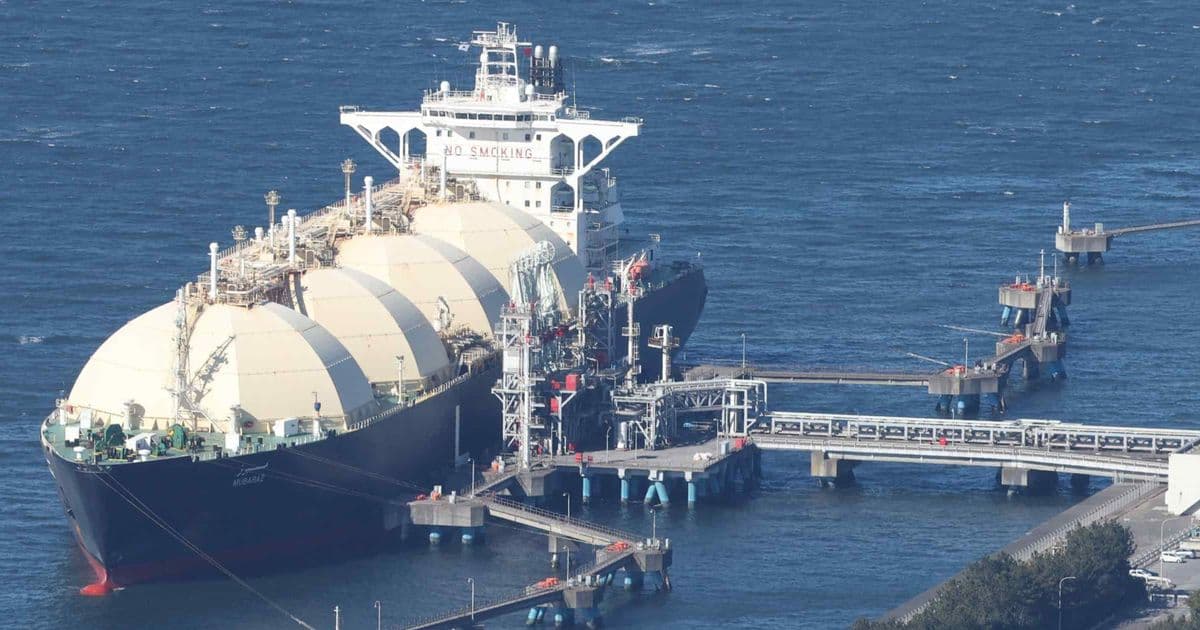
Two liquefied natural gas carriers have cleared the Strait of Hormuz and are bound for Japan and China, offering a brief reprieve for Asian buyers but underscoring the ongoing supply crunch caused by the Iran‑U.S. conflict.
Two LNG tankers clear Hormuz, heading to Japan and China
Two liquefied natural gas (LNG) vessels – the Misa Hama and the Riona Gomi – passed through the Strait of Hormuz in the past fortnight and are now en route to Asian terminals. The ships carry roughly 0.6 million tonnes of LNG combined, a fraction of the 2.5 million tonnes that typically move through the chokepoint each month.
Market context: why the Hormuz bottleneck matters
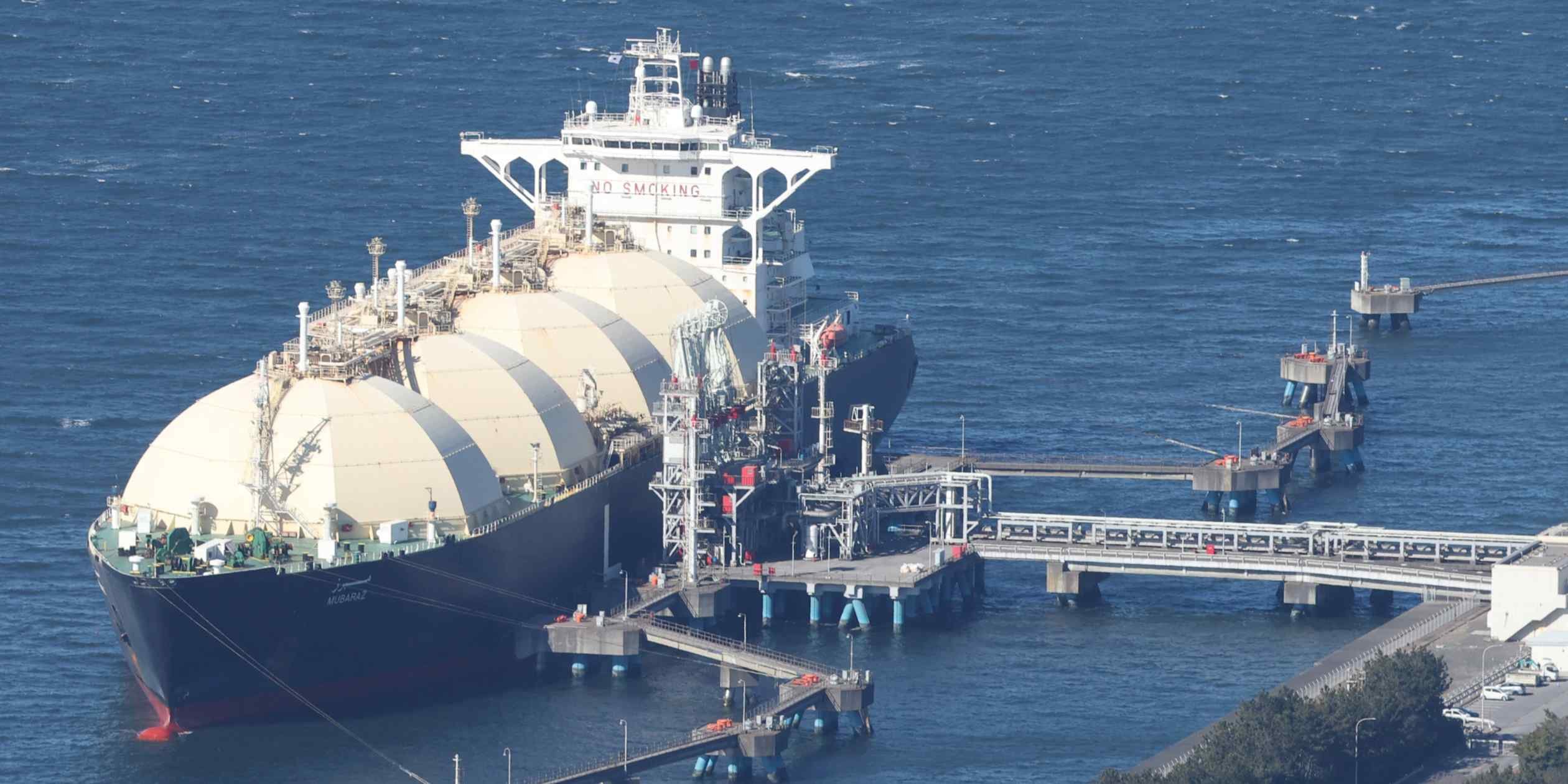
The Hormuz strait handles about 20 % of global LNG trade. Since the escalation of hostilities between the United States and Iran in early 2026, naval patrols and the threat of missile strikes have forced many charterers to reroute cargoes around the Cape of Good Hope, adding 12‑14 days and $1‑1.5 billion in freight costs per voyage. The resulting bottleneck has driven Asian spot LNG prices up 60 % since March, with the Japan‑Korea marker hovering around $13 /MMBtu versus $8 /MMBtu a month earlier.
What it means for Asian importers and the broader supply chain
Short‑term relief, not a solution – The arrival of the two tankers will modestly ease the immediate demand‑supply gap for Japan’s winter heating season, but the volume is too small to shift the overall price trajectory.
Credit pressure on Japanese corporates – With spot prices soaring, Japanese utilities have tapped corporate credit lines to secure forward contracts, a trend that could tighten balance sheets if the blockade persists.
China’s strategic stock‑piling – Beijing has accelerated purchases from the United Arab Emirates and Qatar, diversifying away from Hormuz‑bound cargoes. The latest arrivals may allow China to postpone additional spot purchases, but the underlying shortage remains.
Potential for alternative routes – Some shippers are exploring the longer route via the Suez Canal, despite higher fuel consumption, to mitigate the risk of further closures. This shift could rebalance freight rates but will also raise carbon‑intensity concerns.
Policy response – Both Japan and South Korea have begun discussions on a shared strategic LNG reserve, mirroring the oil‑reserve frameworks established after the 1970s crises. Such a pool could provide a buffer against future geopolitical shocks.
Outlook
If diplomatic channels between the United States and Iran open a corridor for safe passage, we could see a gradual normalization of Hormuz traffic by late 2026. Until then, spot prices are likely to stay elevated, prompting Asian buyers to lock in longer‑term contracts at premium rates or seek alternative fuels such as coal‑derived gas and emerging hydrogen imports.
The two tankers’ passage is a reminder that even limited movements through Hormuz can have outsized price effects, highlighting the fragility of the global LNG supply chain in a geopolitically tense environment.
Comments
Please log in or register to join the discussion