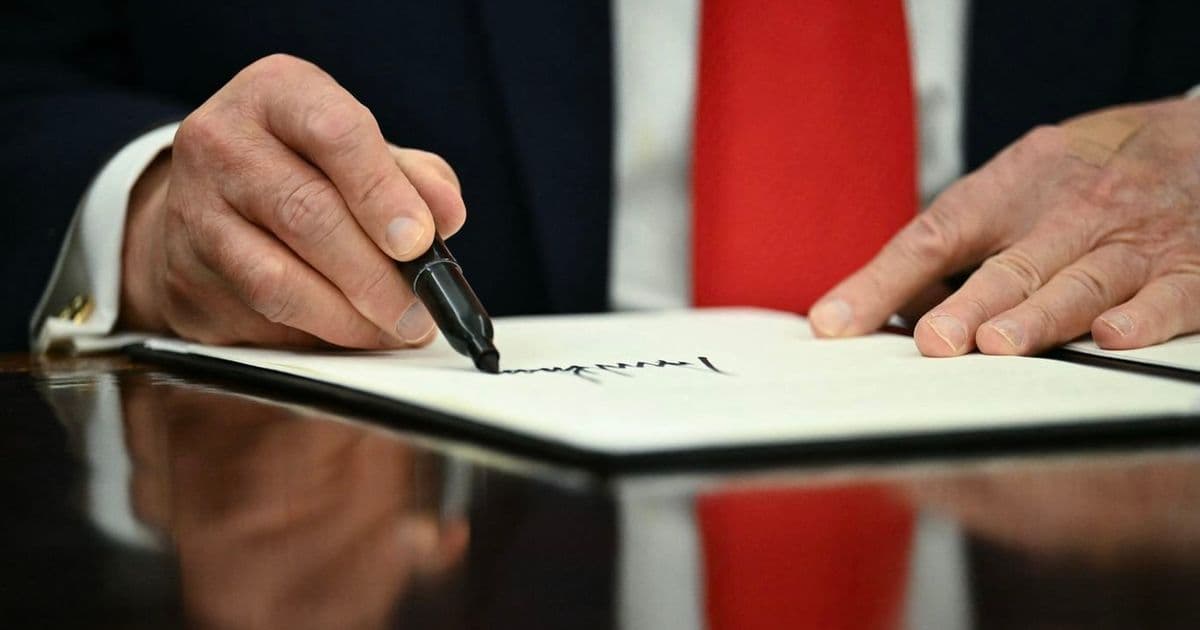
A historic diplomatic move is expected as the U.S. and Iran prepare to electronically sign an agreement to end their decades-long conflict on Sunday, leveraging digital tools to streamline a process traditionally reliant on physical exchanges.
The U.S. and Iran are poised to electronically sign a landmark agreement to end their protracted conflict on Sunday, a development that could redefine diplomatic practices in an increasingly digital world. This shift from traditional in-person negotiations to a fully electronic signing process reflects broader trends in how technology is reshaping international relations.
The Deal: A Digital Breakthrough
The agreement, first reported by Axios, is expected to be finalized through encrypted digital platforms, eliminating the need for physical document exchanges or face-to-face ceremonies. While details remain scarce, sources indicate the deal will address key issues such as sanctions relief, military disengagement, and regional security frameworks. The use of electronic signatures—verified via cryptographic protocols—suggests a move toward greater transparency and efficiency in high-stakes diplomacy.
Market Context: Tech's Role in Diplomacy
This electronic signing aligns with a growing trend where governments and corporations adopt digital tools to manage complex agreements. For instance, blockchain-based contracts and AI-driven compliance systems are increasingly used to verify terms and reduce fraud. In this case, the U.S. and Iran may be testing a framework that could influence future state-to-state negotiations, particularly in regions with strained relations.
The timing coincides with heightened cybersecurity concerns. As digital agreements become more common, ensuring the integrity of electronic signatures is critical. Companies specializing in secure communication platforms, such as those offering end-to-end encryption or decentralized identity verification, may see increased demand. Additionally, this move could impact tech sectors tied to Middle Eastern markets, where sanctions have historically limited access to global technology ecosystems.
What It Means for Tech and Business
While the immediate focus is on geopolitical implications, the electronic nature of the agreement highlights technology's expanding role in conflict resolution. For businesses, this could signal opportunities in developing tools for secure international collaboration, from cloud-based negotiation platforms to AI systems that monitor compliance in real time. Conversely, tech firms reliant on U.S.-Iran trade channels may face short-term disruptions, though long-term gains could emerge if the deal stabilizes regional markets.
Analysts caution that electronic agreements, while innovative, are not without risks. Cyberattacks targeting diplomatic communications or vulnerabilities in signature verification systems could undermine trust. However, the success of this process may set a precedent for other nations to adopt similar methods, accelerating the integration of digital infrastructure into global diplomacy.
Looking Ahead
If finalized, the agreement could ease tensions in the Middle East, potentially opening new avenues for tech investment and trade. However, its sustainability will depend on both parties' commitment to upholding the terms digitally. As the world watches this historic moment unfold, one thing is clear: technology is no longer a peripheral tool in diplomacy—it’s becoming central to how nations resolve conflicts.
[Image: President Trump's right hand signs a document. Photo: Kent Nishimura / AFP via Getty Images] 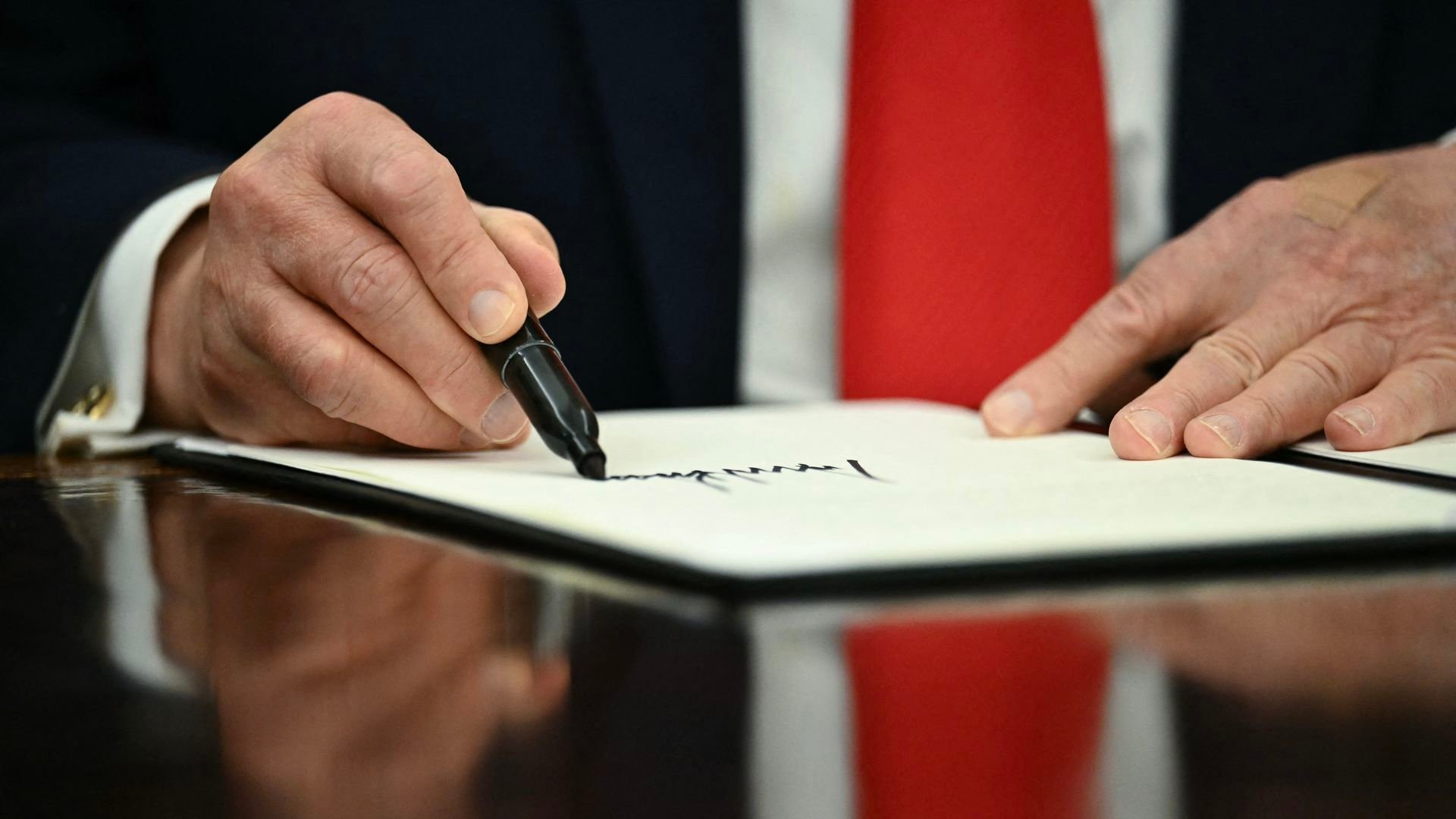 This image symbolizes the traditional approach to diplomacy, contrasting with the electronic methods expected to finalize the U.S.-Iran agreement. While physical signatures have dominated for centuries, the shift to digital underscores a fundamental change in how power dynamics and agreements are managed in the 21st century.
Comments
Please log in or register to join the discussion