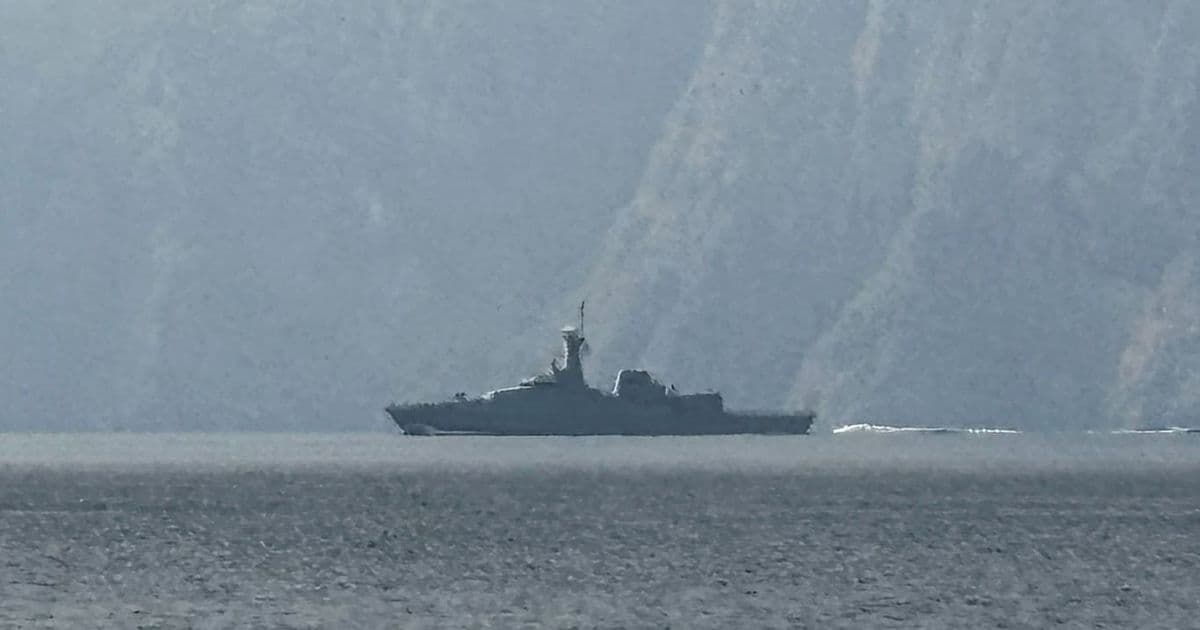
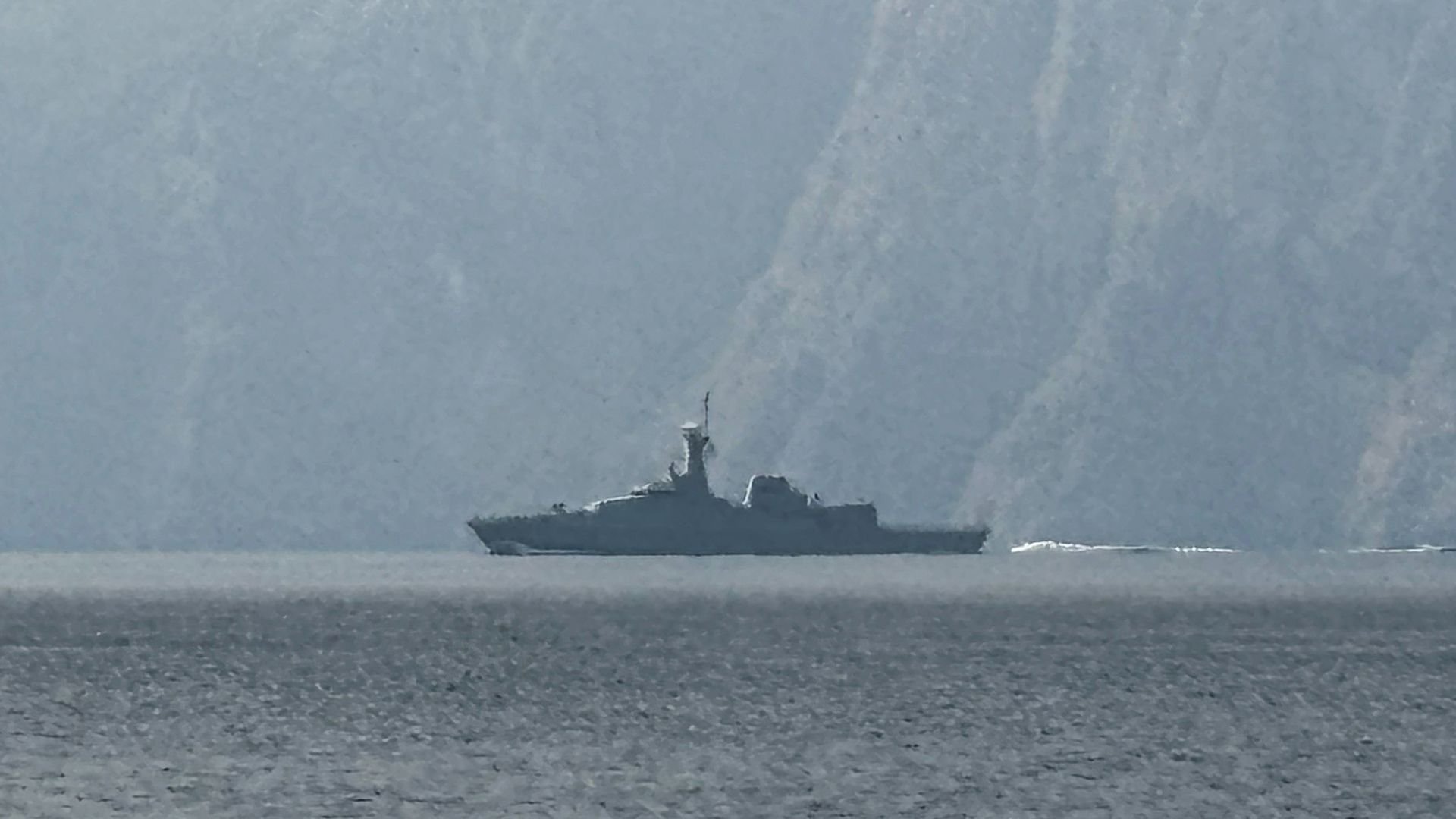
U.S. warships have crossed the strategically vital Strait of Hormuz for the first time since the Iran war began, marking a significant escalation in the conflict and demonstrating American military presence in one of the world's most critical oil chokepoints.
Two U.S. Navy warships have successfully transited the Strait of Hormuz, marking the first time American vessels have navigated this strategically vital waterway since the outbreak of hostilities with Iran. The passage represents a significant escalation in the ongoing conflict and demonstrates the U.S. military's commitment to maintaining freedom of navigation in one of the world's most critical oil chokepoints.
The Strait of Hormuz, a narrow waterway connecting the Persian Gulf to the Gulf of Oman, handles approximately 20% of the world's oil supply. The U.S. Navy's decision to send warships through this contested passage comes amid heightened tensions following recent military exchanges between American and Iranian forces. This move signals not only a show of force but also a strategic assertion of maritime rights in the region.
Military analysts note that the transit required careful coordination and likely involved multiple escort vessels, given the potential for Iranian naval forces to attempt interdiction. The U.S. Fifth Fleet, headquartered in Bahrain, has maintained a significant presence in the region but had avoided direct passage through the strait since the conflict began, making this operation particularly noteworthy.
The timing of this naval maneuver appears calculated to send multiple messages: to Iran that the U.S. maintains operational freedom in the region, to regional allies that American commitment remains strong, and to global markets that oil shipping lanes remain open despite the conflict. The economic implications are substantial, as any prolonged disruption of traffic through the strait could send energy prices soaring and impact global markets.
This development follows a pattern of increasing military assertiveness by both sides, with the U.S. seeking to demonstrate its ability to project power while Iran continues to test the limits of American resolve. The successful transit through the strait represents a tactical victory for U.S. naval forces and may influence the strategic calculations of both adversaries and allies in the region.
The operation also highlights the complex logistics and planning required for such missions, involving not just the transiting vessels but also intelligence gathering, diplomatic coordination, and contingency planning for potential Iranian responses. Military experts suggest this could be the first of several such transits as the U.S. seeks to establish a new normal in the region's security dynamics.
Comments
Please log in or register to join the discussion