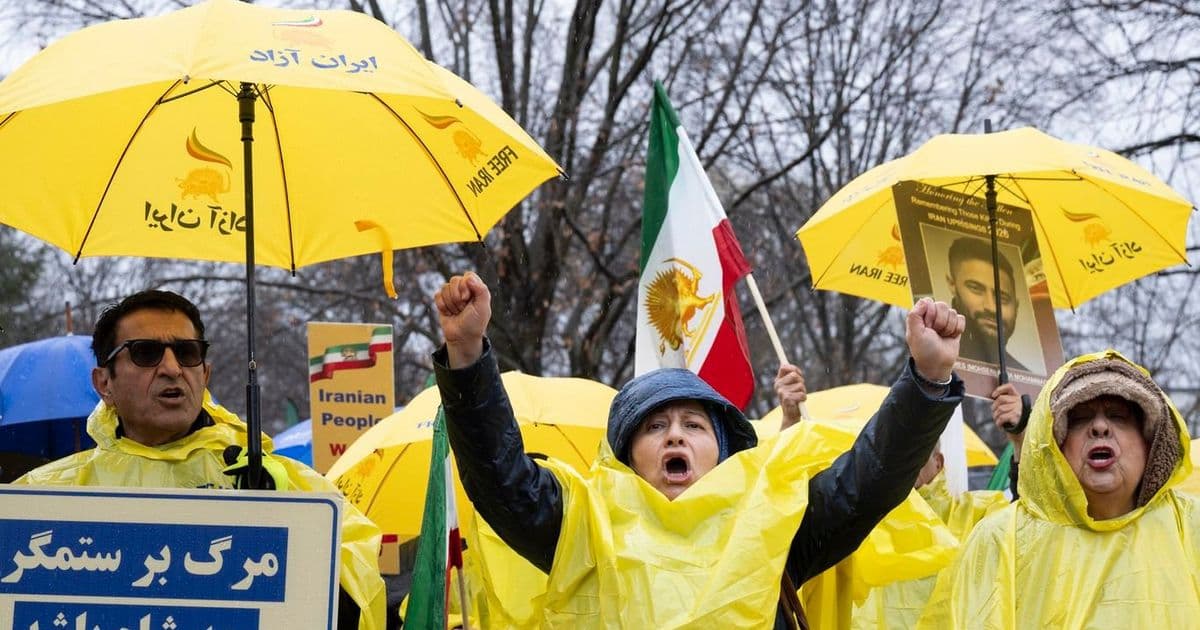
President Trump's declaration of U.S. readiness to assist Iranian freedom advocates could signal shifts in sanctions policy with significant consequences for American tech companies operating in global markets.
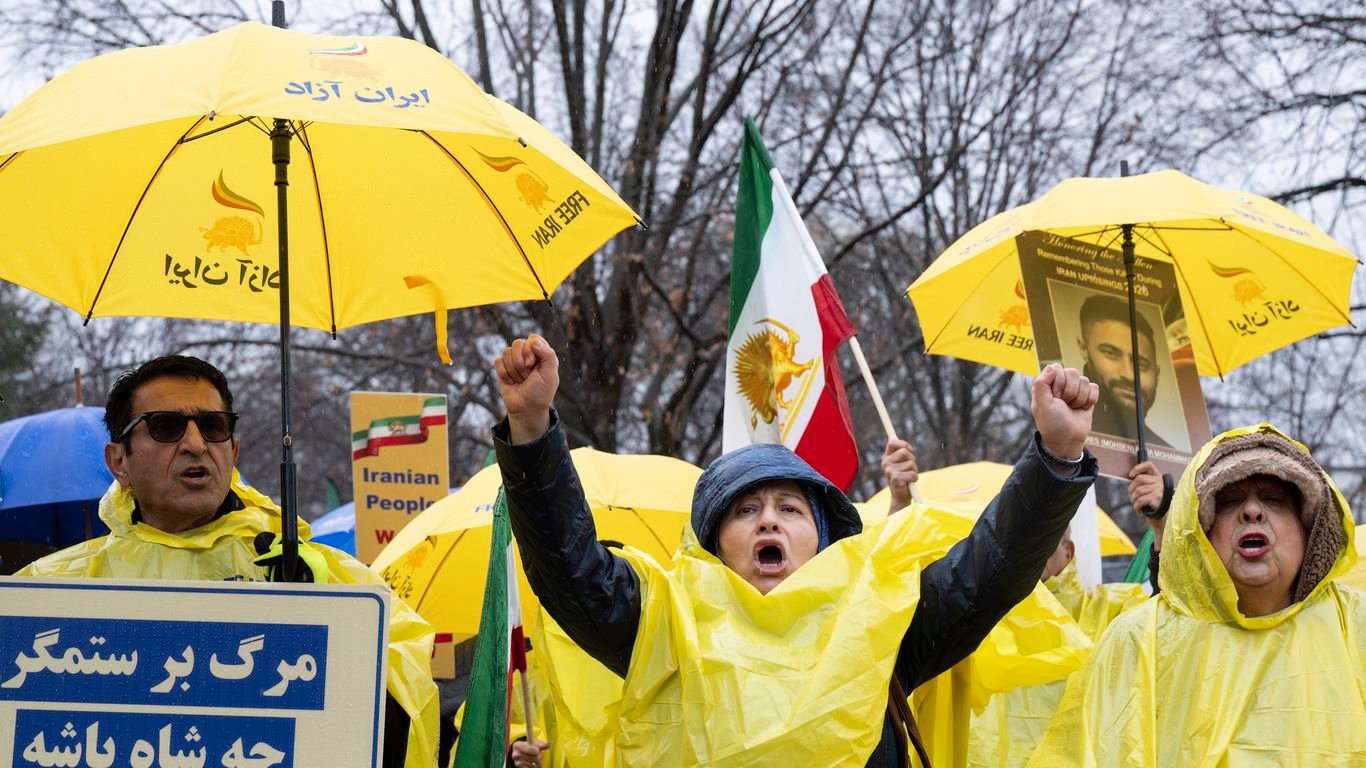
President Trump's recent statement affirming U.S. willingness to support Iranian citizens' pursuit of freedom arrives amid escalating tensions between Washington and Tehran. While politically significant, this posture carries concrete implications for U.S. technology firms navigating complex international sanctions landscapes.
The current U.S. sanctions framework (Office of Foreign Assets Control regulations) strictly prohibits most technology exports to Iran, blocking American companies from providing cloud services, software tools, or consumer electronics to Iranian businesses and citizens. This market remains largely untapped despite Iran's 84 million population and tech-literate demographic, with only narrow exceptions for communication tools facilitating personal communications.
Financial exposure is substantial: Major cloud providers like Amazon Web Services and Microsoft Azure face ongoing compliance costs to enforce IP-based geoblocking, while cybersecurity firms report increased attack volumes from Iranian state-sponsored actors retaliating against sanctions. Data from Recorded Future indicates a 45% year-over-year increase in Iranian cyber operations targeting U.S. financial and energy infrastructure since sanctions tightened in 2022.
Should diplomatic overtures materialize into sanctions relief, analysts project a potential $3.2B annual revenue opportunity for U.S. tech firms in telecommunications infrastructure and consumer tech. However, any policy shift would require navigating intricate export control reforms through bodies like the Bureau of Industry and Security.
Strategic considerations include:
- Supply chain recalibration: Semiconductor manufacturers would need revised distribution protocols for dual-use technologies
- Market entry risks: Compliance costs could outweigh near-term revenue in Iran's inflation-ridden economy (42% annual rate)
- Competitive dynamics: Chinese tech giants like Huawei currently dominate Iran's 4G/5G infrastructure amid U.S. absence
With no immediate sanctions changes announced, tech firms remain in observational mode. Industry leaders emphasize that any market access would require phased implementation, starting with consumer communication tools before expanding to enterprise solutions—a process requiring at least 18-24 months even under optimal political conditions.
Comments
Please log in or register to join the discussion