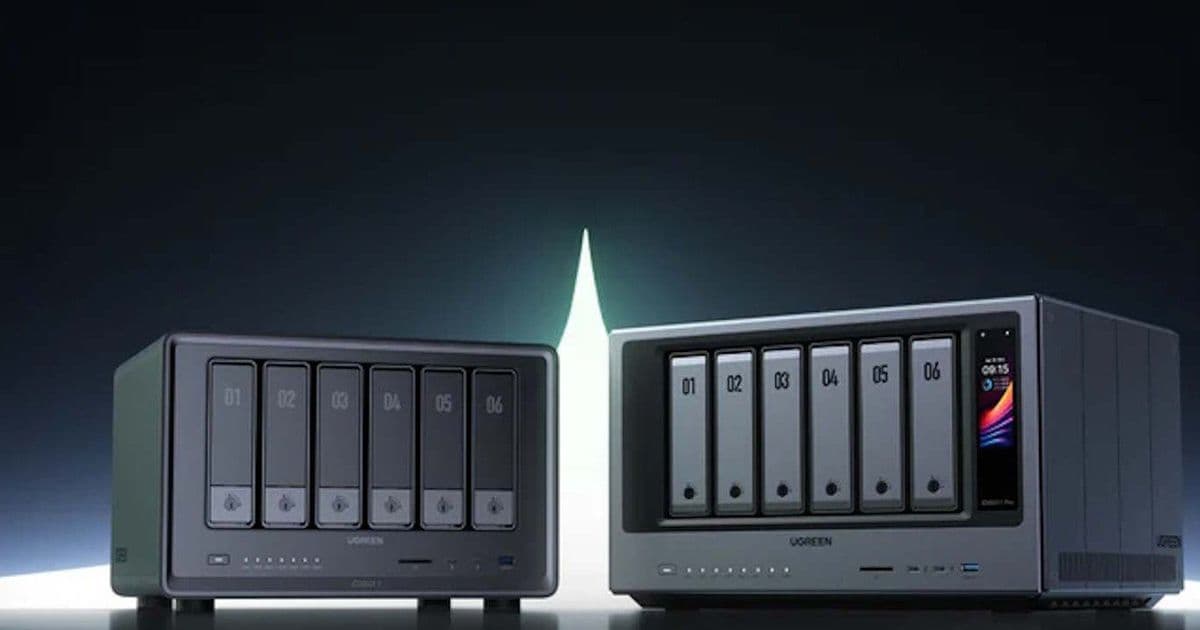
Ugreen introduces two new NASync devices featuring Intel Core Ultra processors, up to 64GB RAM, and local AI processing capabilities, with preorder discounts available through March crowdfunding campaign.
Ugreen has entered the high-performance NAS market with two new devices that blur the line between traditional network storage and AI-powered computing platforms. The NASync iDX6011 and iDX6011 Pro are now available for preorder, offering Intel Core Ultra processors, substantial RAM configurations, and local AI acceleration capabilities that could appeal to both data storage enthusiasts and AI hobbyists.
The pricing structure for these devices is particularly interesting, as Ugreen is using a crowdfunding-style preorder system. Customers can secure their reservation with a $30 deposit, which then qualifies them for discounted pricing when the official campaign launches in March. The standard iDX6011 starts at $999 for the base configuration, while the Pro version begins at $1,559. For those wanting maximum performance, the iDX6011 with 64GB RAM is available for $1,199 during the super early-bird period.
Both devices are powered by Intel's latest Core Ultra processors, with the Pro model featuring the more powerful Core Ultra 7 255H and the standard version using the Core Ultra 5 125H. This processor choice is significant because it brings integrated NPUs (Neural Processing Units) to the NAS market, enabling local AI processing without relying on cloud services. According to Ugreen, this opens up possibilities like photo analysis and sorting without sending data to external servers, as well as building local knowledge bases.
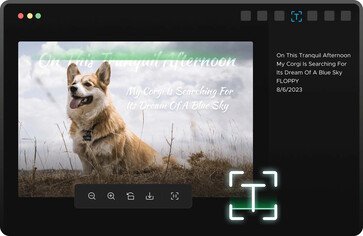
One of the most compelling aspects of these NAS devices is their focus on privacy and local processing. In an era where data privacy concerns are increasingly prominent, the ability to run AI models locally without cloud subscriptions or data transfers could be a major selling point. Ugreen specifically highlights features like text recognition and local face identification, which can be performed entirely on-device.
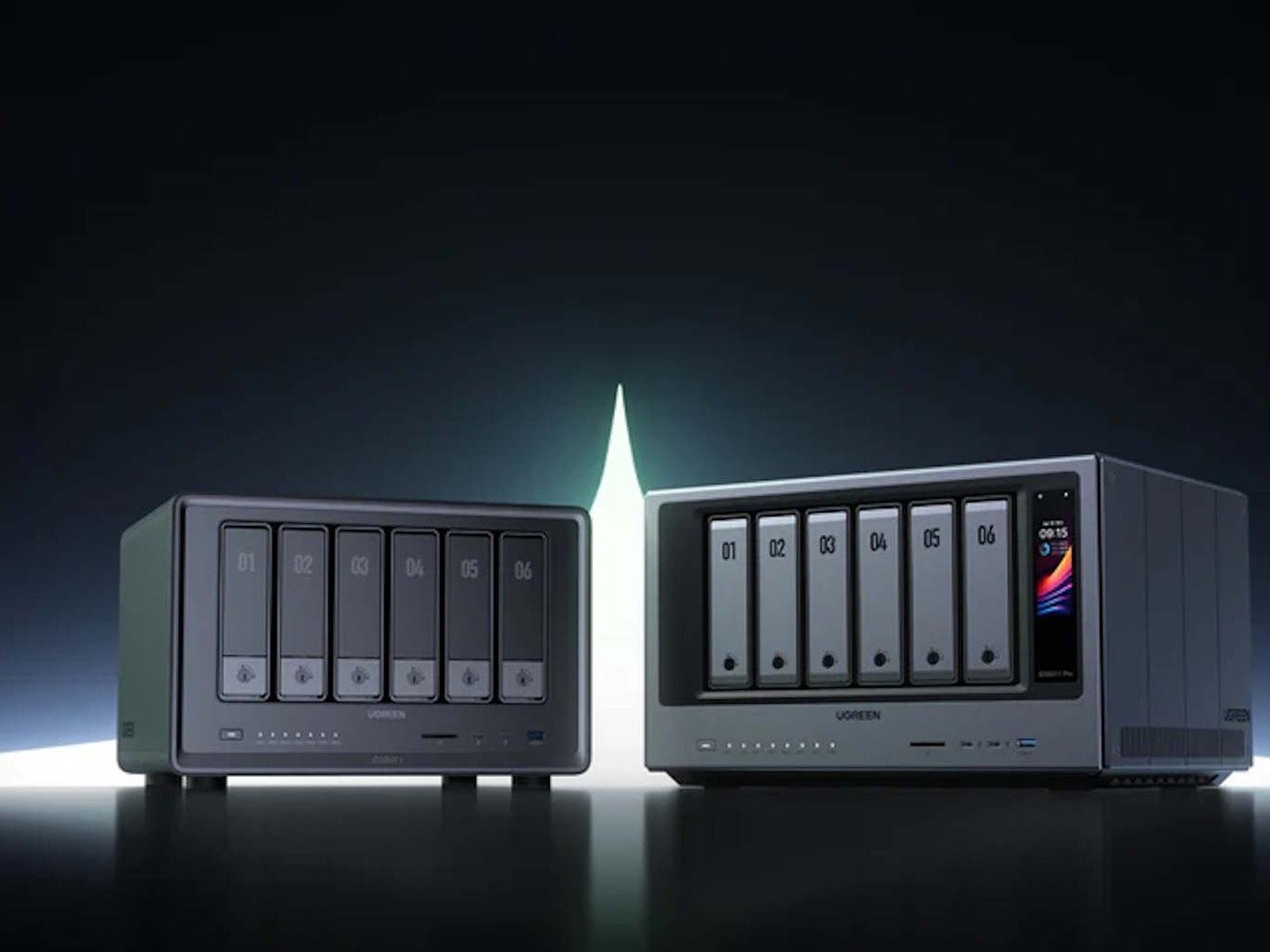
The hardware specifications are impressive for NAS devices. Both models support six hard drives plus two additional SSDs, providing substantial storage capacity. They come with UGOS Pro preinstalled on a 128GB SSD, dual 10Gbps Ethernet ports for high-speed networking, and a comprehensive set of connectivity options including Thunderbolt 4, USB 3, USB 2, and an SD card reader for quick photo backups.
There are some notable differences between the two models that justify the price gap. The iDX6011 Pro includes OCuLink connectivity, which allows for external GPU connections or additional storage expansion - a feature particularly valuable for users who want to push the AI capabilities further. The Pro model also features a 3.71-inch display, which could be useful for monitoring system status or managing the device without needing to connect to it through a network interface.
However, these devices are positioned as high-performance systems that may be overkill for basic data storage needs. The combination of powerful processors, substantial RAM, and AI capabilities suggests Ugreen is targeting users who want more than just a simple file server. This could include content creators, small businesses, or tech enthusiasts who want a versatile platform for both storage and computation.
The preorder timeline indicates that shipping won't begin until May, which gives potential buyers time to consider whether these high-end features justify the premium pricing. The crowdfunding approach also suggests Ugreen is testing market demand before committing to full production.
For users considering these NAS devices, the key question will be whether the local AI capabilities and high-performance hardware provide enough value to justify the cost compared to more traditional NAS solutions. The privacy benefits of local processing are clear, but the practical applications will depend on individual use cases and technical expertise.
These Ugreen NAS devices represent an interesting evolution in the NAS market, where storage devices are increasingly becoming multifunctional computing platforms. As AI capabilities become more important in everyday computing, we may see more storage solutions incorporating similar high-performance processors and local processing capabilities.

Comments
Please log in or register to join the discussion