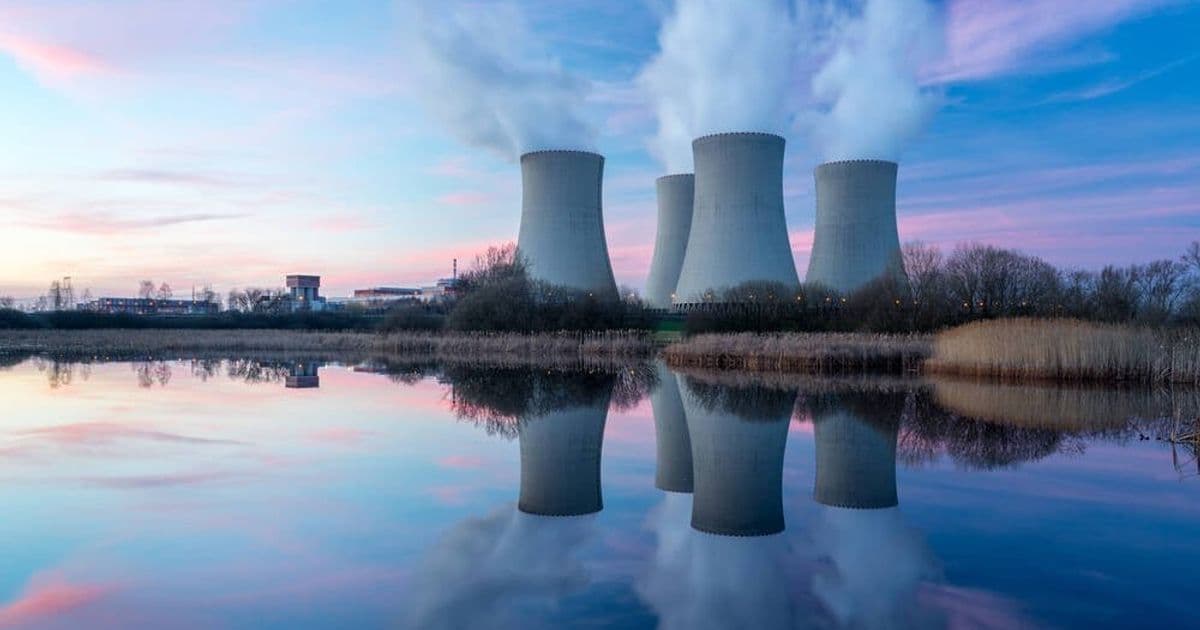
Britain's government is pushing ahead with nuclear planning and regulatory reforms, aiming to accelerate atomic projects that will power homes and datacenters.
The UK government has unveiled plans to overhaul nuclear regulations in a bid to accelerate the development of new atomic power projects, aiming to address the country's growing energy demands from datacenters, electric vehicles, and industrial electrification.
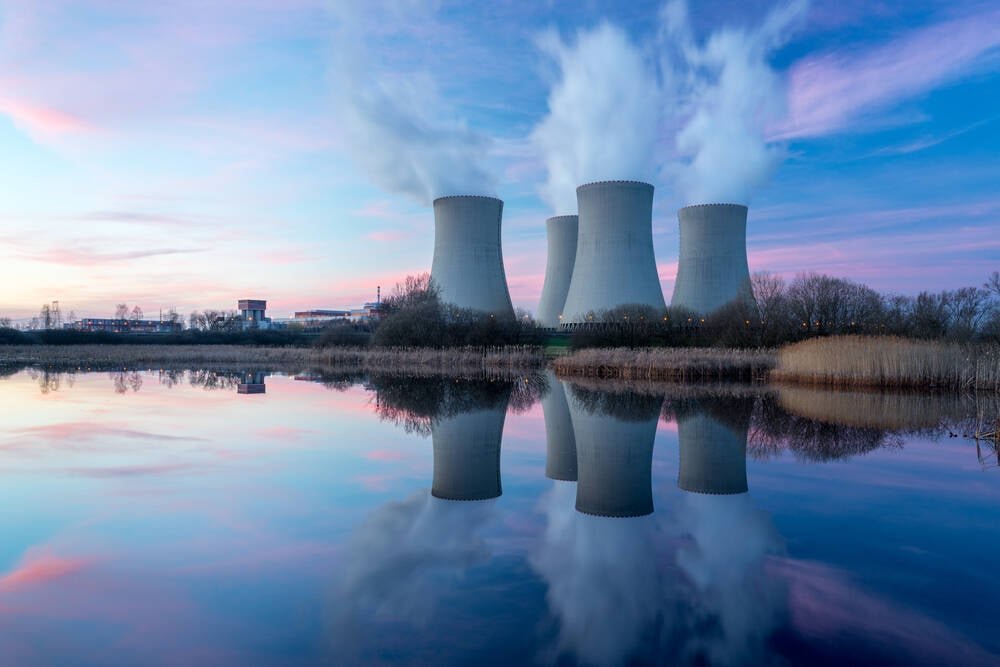
The proposed reforms, outlined in the government's response to the Nuclear Regulatory Taskforce's recommendations, target what officials describe as an "overly complex" and "bureaucratic" system that prioritizes process over safe outcomes. The taskforce, led by former Office of Fair Trading CEO John Fingleton, found that current regulations were hindering the progress of private industry in developing new nuclear facilities.
Among the key recommendations being pursued are:
- Reforming environmental and planning regimes to streamline project approvals
- Limiting legal challenges to projects deemed nationally important
- Relaxing radiation exposure limits for workers
- Modifying protections for vulnerable natural sites to reduce costs
The government's stated goal is to create "proportionate, focused" regulation that is "rooted in evidence" and designed to effectively protect nature and biodiversity while enabling "safe, cost effective, and rapid delivery" of nuclear projects. This approach echoes the familiar project management adage: "Good, fast, cheap – you can have two."
These developments in the UK align with similar moves in the United States, where the Trump administration has encouraged states to host new atomic sites and reportedly weakened nuclear safety directives. Reports indicate that hundreds of pages of security requirements at reactors have been cut, radiation exposure thresholds for triggering accident investigations have been raised, and environmental protections have been diluted.
Both nations are pursuing nuclear expansion to reduce dependence on volatile fossil fuel markets and meet increasing energy demands, particularly from AI datacenters. However, industry experts caution that new atomic generating facilities are unlikely to come online before the next decade, meaning gas turbines, renewable energy, and existing nuclear sites will continue to meet current electricity needs.
The Nuclear Industry Association has welcomed the proposed reforms, with chief executive Tom Greatrex calling them "the most important thing the UK can do to cut deployment times and costs, and rebuild energy security." The association argues that more proportionate regulation recognizing nuclear's contribution to national interests offers the best chance in a generation to achieve these goals.
The government aims to complete all regulatory reforms by the end of 2027, subject to legislative timelines. This timeline suggests a deliberate approach to balancing the desire for accelerated development with the need for thorough legislative processes.
As the UK pursues this nuclear regulatory reset, the challenge will be maintaining rigorous safety standards while streamlining processes. The success of these reforms could determine whether Britain can meet its ambitious clean energy targets and energy security goals in the coming decades.
Comments
Please log in or register to join the discussion