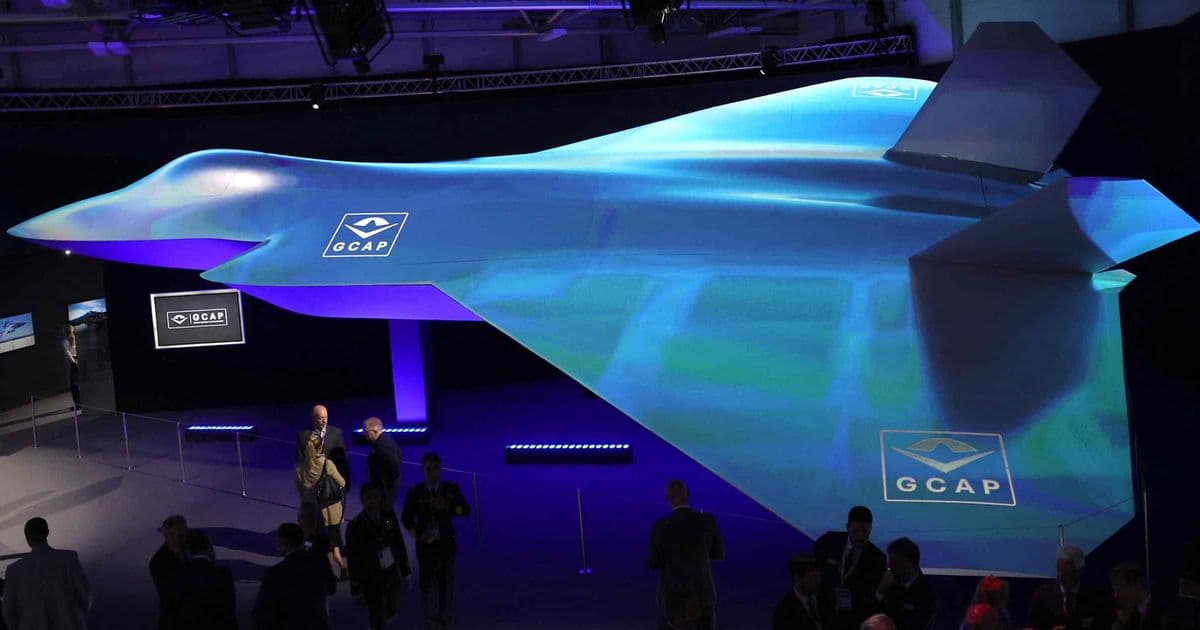
Britain faces critical decisions on the Global Combat Air Programme (GCAP) as allies including Germany and Canada express interest, amid growing urgency to develop independent defense systems away from US dependence.
The United Kingdom is facing mounting pressure to approve funding for its next-generation fighter jet program developed in partnership with Japan and Italy, as other European and allied nations signal growing interest in joining the initiative. The Global Combat Air Programme (GCAP), which aims to create a sixth-generation combat aircraft to compete with existing US-led systems like the F-35, has reached a critical juncture where financial commitments must be secured to maintain momentum.
The program, which represents one of the most significant international defense collaborations in recent years, has attracted attention from Canada and Germany, both of which have expressed interest in participating. This growing interest reflects a broader strategic shift among Western nations seeking to develop independent defense capabilities while maintaining technological parity with potential adversaries.
"The UK government faces a deadline to commit funding that will determine whether this program moves forward as planned or faces significant delays," said defense analyst Marcus Thompson of the International Strategic Studies Group. "Each partner nation has already invested approximately $500 million in preliminary development, but the next phase requires substantially more commitment."
The GCAP emerged from the consolidation of previous national programs, including the UK's Tempest, Japan's F-X, and Italy's Future Combat Air System. The collaboration represents a significant departure from traditional defense procurement models, which have often relied heavily on US-developed platforms like the F-35 Lightning II.
At the Farnborough International Airshow in July 2024, partners showcased a concept model of the GCAP fighter aircraft, highlighting its advanced design features including potential unmanned loyal wingman capabilities and next-generation stealth technology. 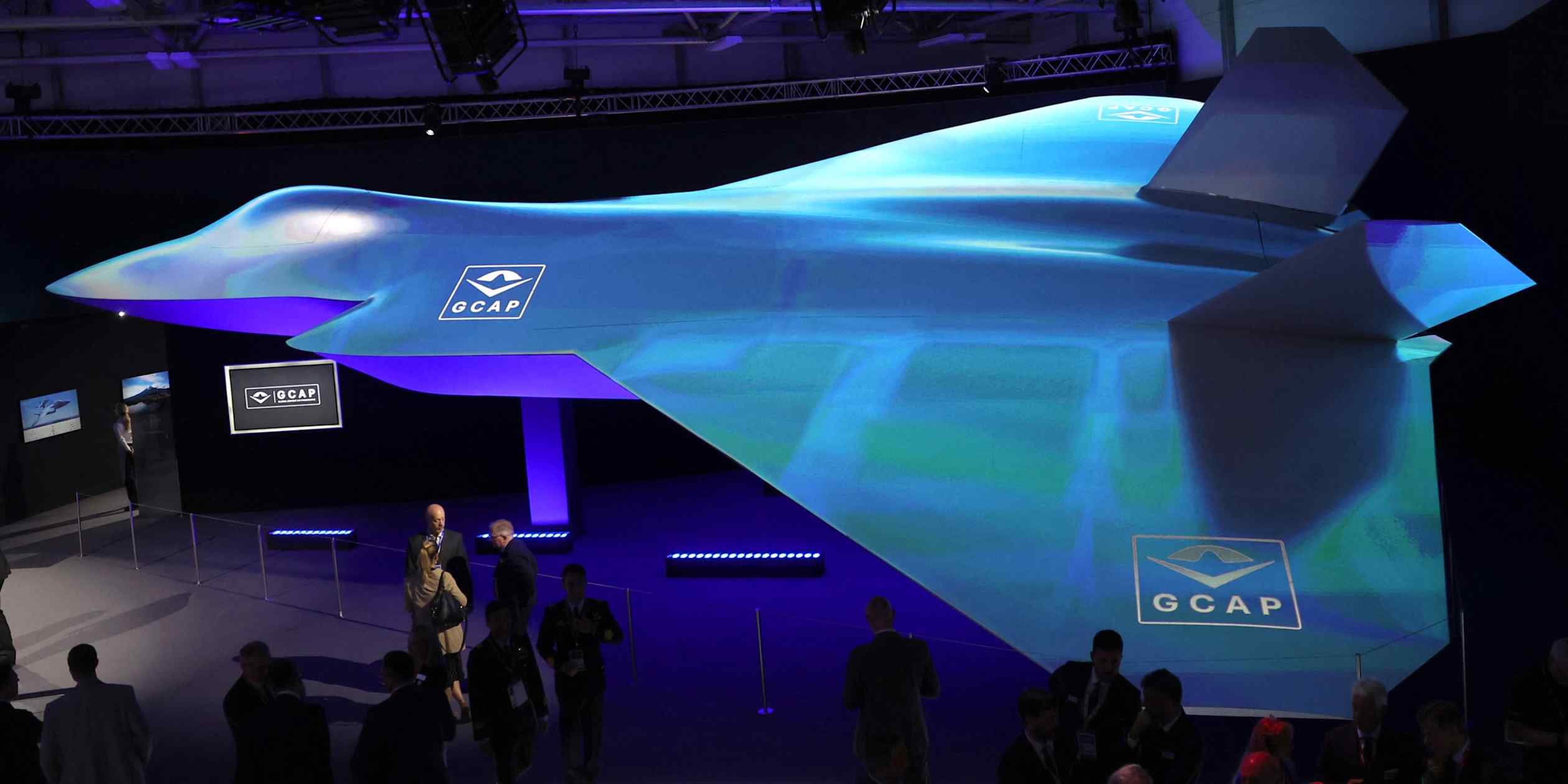
Financial analysts project that the full development cycle could require investments exceeding $30 billion across all participating nations, with production potentially extending through 2040. The program's economic impact extends beyond defense budgets, with potential spinoff benefits in advanced manufacturing, artificial intelligence, and materials science.
The urgency surrounding the GCAP stems from multiple strategic factors. First, the aging fleets of current fifth-generation aircraft require replacement planning within the next decade. Second, the rapid advancement of counter-stealth technologies necessitates continuous innovation in next-generation combat aircraft. Third, geopolitical tensions have underscored the importance of allied nations maintaining technological sovereignty in critical defense systems.
"This program represents more than just a new fighter jet; it's about establishing Europe's role in next-generation air combat systems," noted European defense industry consultant Elena Petrova. "The participation of Japan adds significant technological capabilities, particularly in advanced electronics and potentially in certain propulsion systems."
Industry observers suggest that Canada's interest stems from its need to replace its aging CF-18 fleet, while Germany's participation could address similar requirements for its Eurofighter Typhoon successor. The potential expansion of the partnership would further distribute development costs and technical risks.
The UK government faces internal deliberations on budget allocations, with competing priorities across various defense modernization programs. Failure to secure timely funding could result in technological delays, increased costs, and potentially diminished influence over the program's direction.
Defense analysts project that the GCAP could enter initial testing phases by 2028, with operational capabilities potentially achievable by 2035. However, these timelines depend heavily on funding commitments being secured within the next 12-18 months.
The program also intersects with broader trends in defense industrial policy, including increased emphasis on multinational collaboration, technological sovereignty, and the integration of artificial intelligence and autonomous systems in combat platforms. These factors suggest that the GCAP will likely influence defense procurement strategies globally for years to come.
Comments
Please log in or register to join the discussion