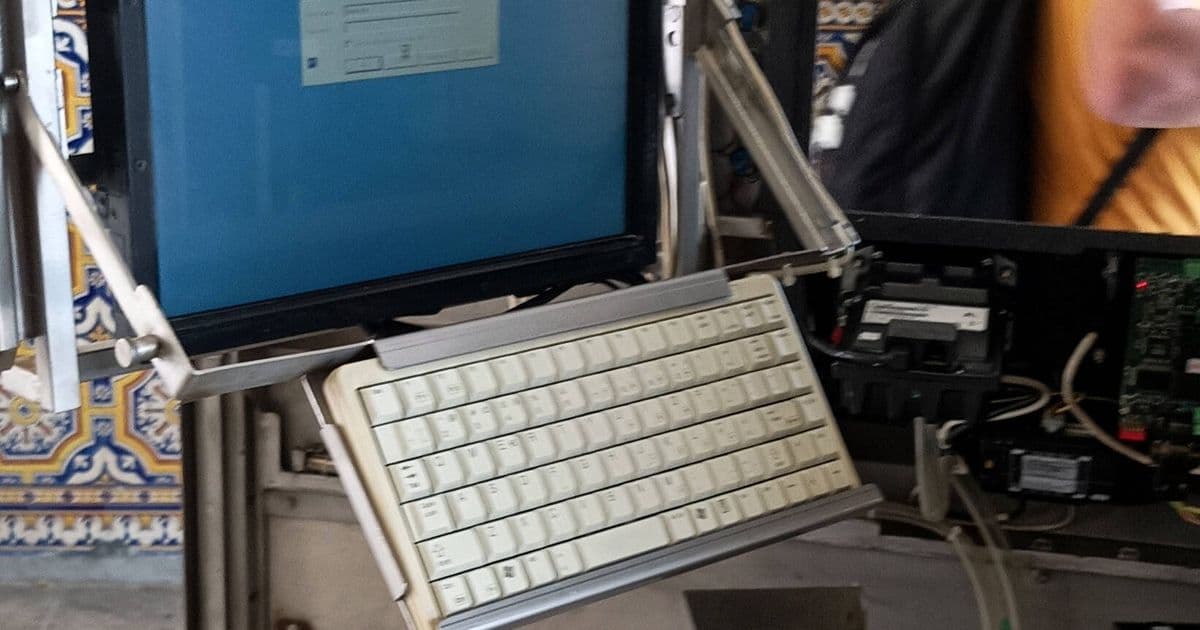
The discovery of Windows 2000 running ticket machines in Portugal's rail network underscores urgent cybersecurity and regulatory compliance gaps in critical infrastructure.
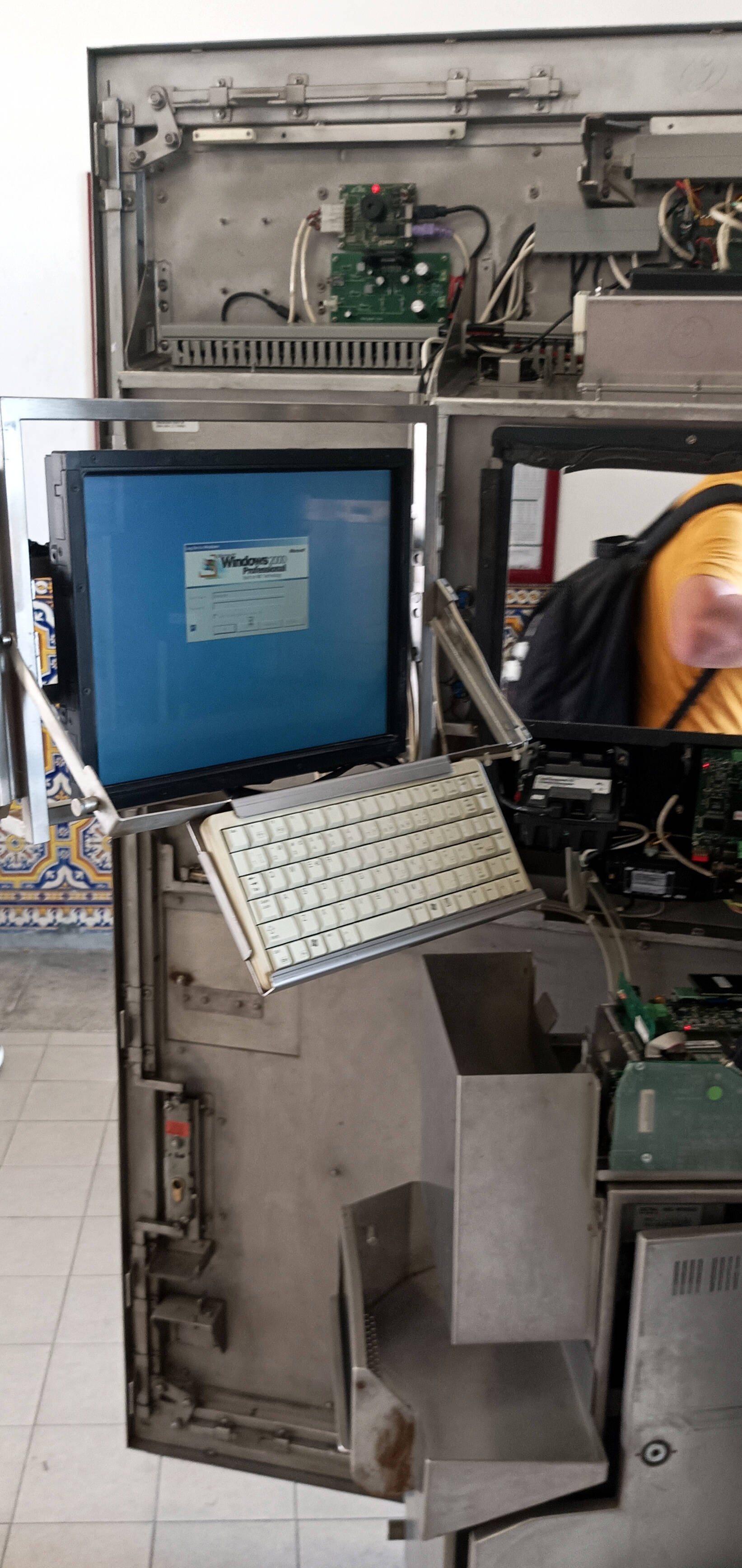
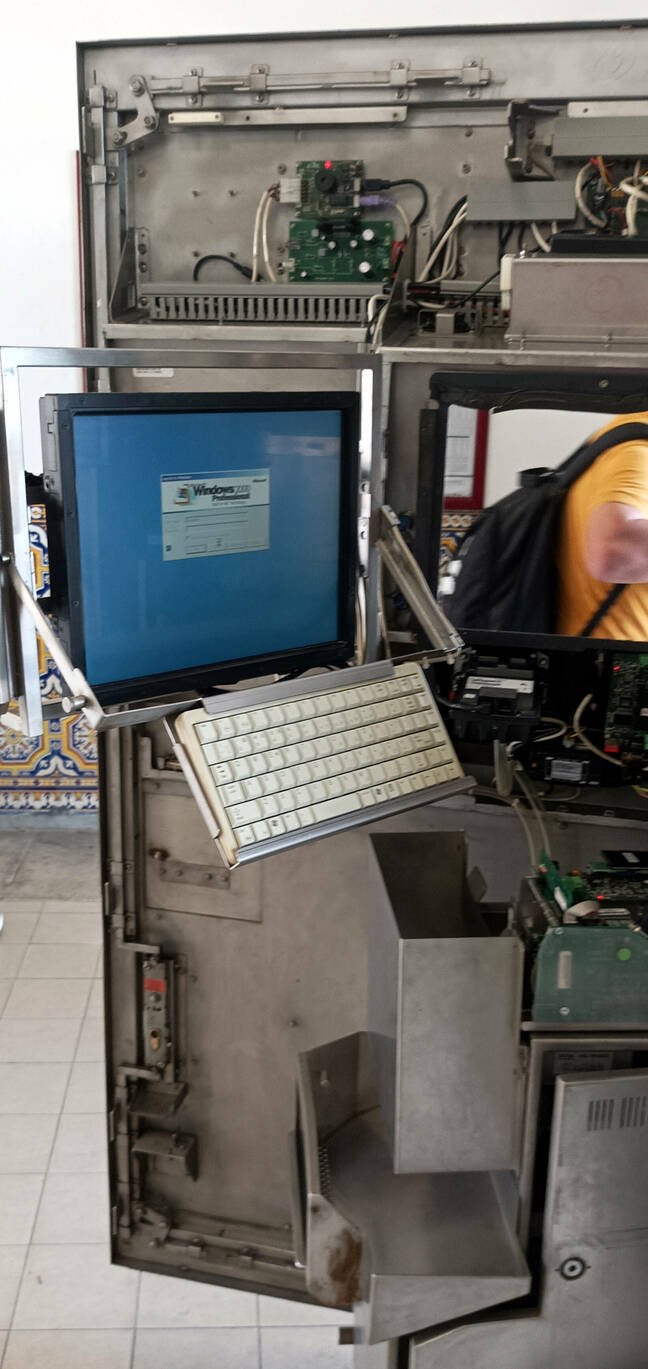
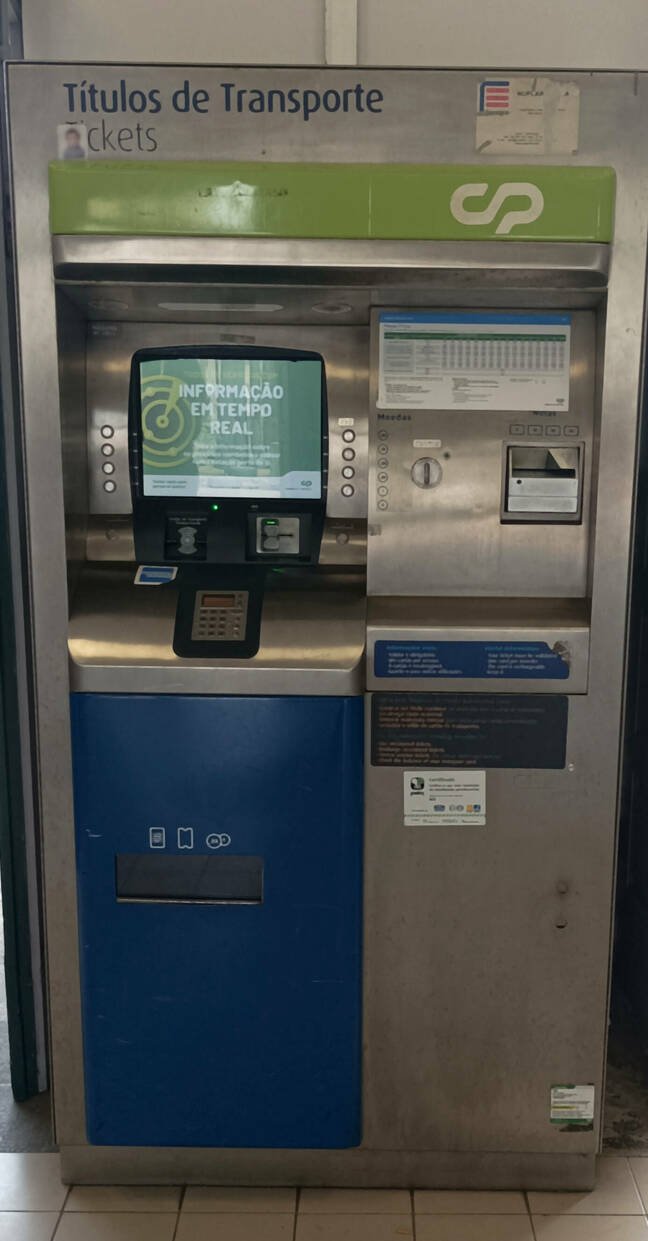
A recent discovery by a railway passenger in Portugal has exposed a significant operational technology vulnerability: ticket vending machines operated by the national rail network running Microsoft Windows 2000 Professional. This unsupported operating system, officially retired by Microsoft in 2010 with mainstream support ending in 2005, presents severe compliance and security implications for critical infrastructure operators.
Regulatory Non-Compliance Risks
Windows 2000's end-of-life status violates multiple regulatory frameworks governing critical infrastructure:
- General Data Protection Regulation (GDPR): Article 32 mandates appropriate technical measures to ensure security of processing. Unsupported software cannot receive security patches, violating Article 5(1)(f) principles of integrity and confidentiality.
- NIS Directive (EU 2016/1148): Requires operators of essential services like transport networks to implement state-of-the-art security measures. Outdated OS versions fail this standard.
- PCI DSS v4.0: If processing payments, Requirement 6.2 demands vendor-supported systems with current patches.
Microsoft's official lifecycle documentation confirms Windows 2000 has received no security updates since July 13, 2010. This creates known exploit pathways including:
- Unpatched vulnerabilities to ransomware (e.g., WannaCry variants)
- Incompatibility with modern encryption protocols
- Lack of Secure Boot and TPM support
Mandatory Remediation Timeline
Organizations must prioritize migration to supported systems:
| Phase | Deadline | Actions |
|---|---|---|
| Risk Assessment | Immediate | Inventory all OT systems; conduct vulnerability scans |
| Isolation | Within 30 days | Segment legacy systems from networks; disable external access |
| Migration | 120 days | Deploy modern OS (Windows 10 IoT LTSC/Windows Server 2022) with FIPS 140-2 validation |
| Validation | Post-migration | Penetration testing; compliance audits |
Practical Implementation Steps
- Hardware Replacement: These ticket machines typically require only 64MB RAM – modern embedded systems like Raspberry Pi 4 (8GB) running Linux can provide 100x performance at lower costs.
- Regulatory Alignment: Adopt IEC 62443-2-4 standards for industrial control system security during migration.
- Continuous Monitoring: Implement SCADA-specific SIEM solutions with automated CVE tracking.
Failure to address such legacy systems risks GDPR fines up to €20 million or 4% of global revenue, plus operational disruption from inevitable breaches. Transport operators globally should treat this discovery as a catalyst for comprehensive infrastructure modernization programs immediately.
Comments
Please log in or register to join the discussion