AlmaLinux continues its impressive trajectory as a leading RHEL alternative, with weekly update check-ins doubling to over 2 million systems in 2025.
The open-source operating system landscape has witnessed another significant milestone as AlmaLinux, the community-driven RHEL alternative, has surpassed 2 million weekly system update check-ins according to the project's 2025 Year In Review. This achievement represents a doubling of their weekly check-in count since the beginning of 2025, signaling robust adoption and sustained momentum for the distribution.
Technical Evolution and Feature Development
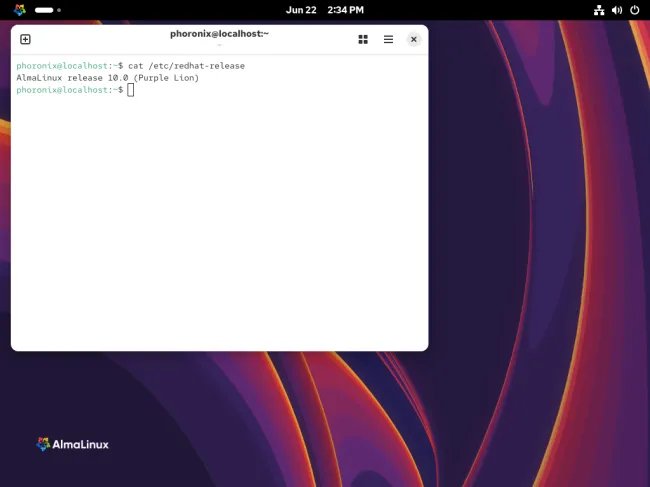
The past year has been particularly transformative for AlmaLinux, with the project releasing both AlmaLinux OS 10.0 and 10.1 versions. These releases have introduced several key technical improvements that appear to be driving adoption:
x86-64-v2 CPU Support: AlmaLinux 10 added support for the x86-64-v2 instruction set, enabling better performance on modern processors and aligning with industry trends toward more advanced CPU architectures.
Native NVIDIA Driver Integration: The introduction of native NVIDIA driver support eliminates the need for third-party repositories or manual driver installation, streamlining the experience for users with NVIDIA hardware.
Btrfs Support in 10.1: The addition of Btrfs filesystem support provides users with advanced storage features like snapshots, compression, and built-in RAID capabilities, appealing to enterprise users with complex storage requirements.
Growth Metrics and Market Position
Measuring the true size of Linux distributions has always presented challenges for the open-source community. Traditional metrics like download counts can be misleading due to mirroring, caching, and offline installations. Weekly update check-ins represent one of the most reliable indicators available, as they reflect actively maintained systems that are connected to the internet and receiving security updates.
AlmaLinux's growth trajectory since its inception in 2021 has been remarkable. The project emerged as a direct response to Red Hat's decision to limit CentOS's lifecycle, positioning itself as a true RHEL binary-compatible alternative. The distribution's ability to attract over 2 million weekly check-ins demonstrates its success in capturing market share from both CentOS users seeking continuity and organizations looking for RHEL alternatives.
Market Context and Enterprise Adoption
The timing of AlmaLinux's growth coincides with broader shifts in the enterprise Linux market. Organizations have increasingly sought alternatives to traditional commercial distributions, driven by factors including:
- Cost considerations in enterprise environments
- Desire for vendor independence and community governance
- Need for long-term support without subscription fees
- Flexibility in deployment models
AlmaLinux's architecture as a 1:1 binary-compatible replacement for RHEL has proven particularly attractive to organizations with existing RHEL expertise who want to maintain compatibility while exploring community-driven alternatives.
Challenges in Measuring True Adoption
While the 2 million weekly check-in figure is impressive, it's important to understand its limitations. The metric doesn't capture:
- Systems running AlmaLinux that are permanently offline or air-gapped
- Enterprise environments using local package mirrors to reduce external bandwidth
- Development and testing environments that may not receive regular updates
- Systems running older versions no longer receiving updates
Despite these limitations, the growth trend is unmistakable and suggests a user base numbering in the millions of active systems.
Looking Forward
The continued growth of AlmaLinux reflects broader trends in the open-source ecosystem toward community-driven alternatives to commercial software. As organizations increasingly value flexibility, transparency, and cost-effectiveness, distributions like AlmaLinux are well-positioned to capture additional market share.
The project's ability to maintain binary compatibility with RHEL while providing a truly community-governed alternative has proven to be a compelling value proposition. With over 2 million weekly check-ins and a feature set that continues to evolve with enterprise needs, AlmaLinux appears poised for continued growth in the competitive Linux distribution market.
For organizations considering their Linux strategy, AlmaLinux represents a mature, well-supported option that combines the stability and compatibility of RHEL with the benefits of community governance and cost-free licensing.
Comments
Please log in or register to join the discussion