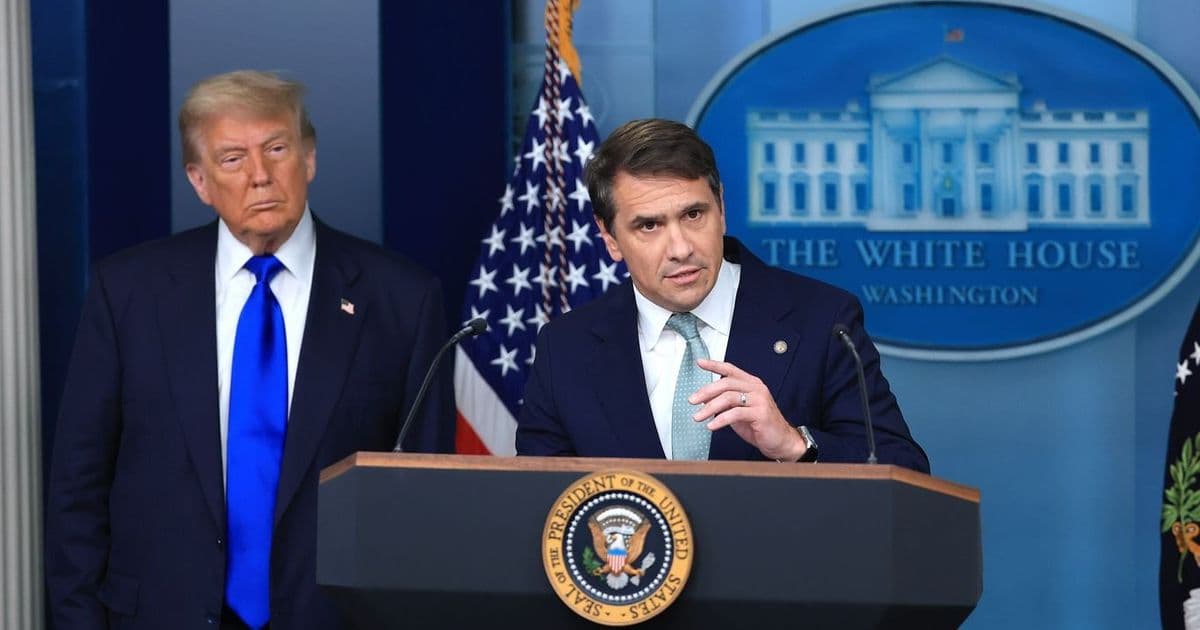
A federal judge has issued a temporary injunction blocking the disbursement of $1.77 billion earmarked for a new federal fund designed to combat the perceived weaponization of government agencies.
A federal judge has blocked the immediate release of $1.77 billion allocated for a new administrative fund intended to counter the perceived weaponization of federal agencies. The injunction freezes the disbursement of funds that the administration intended to use for auditing government departments and restructuring internal oversight mechanisms.
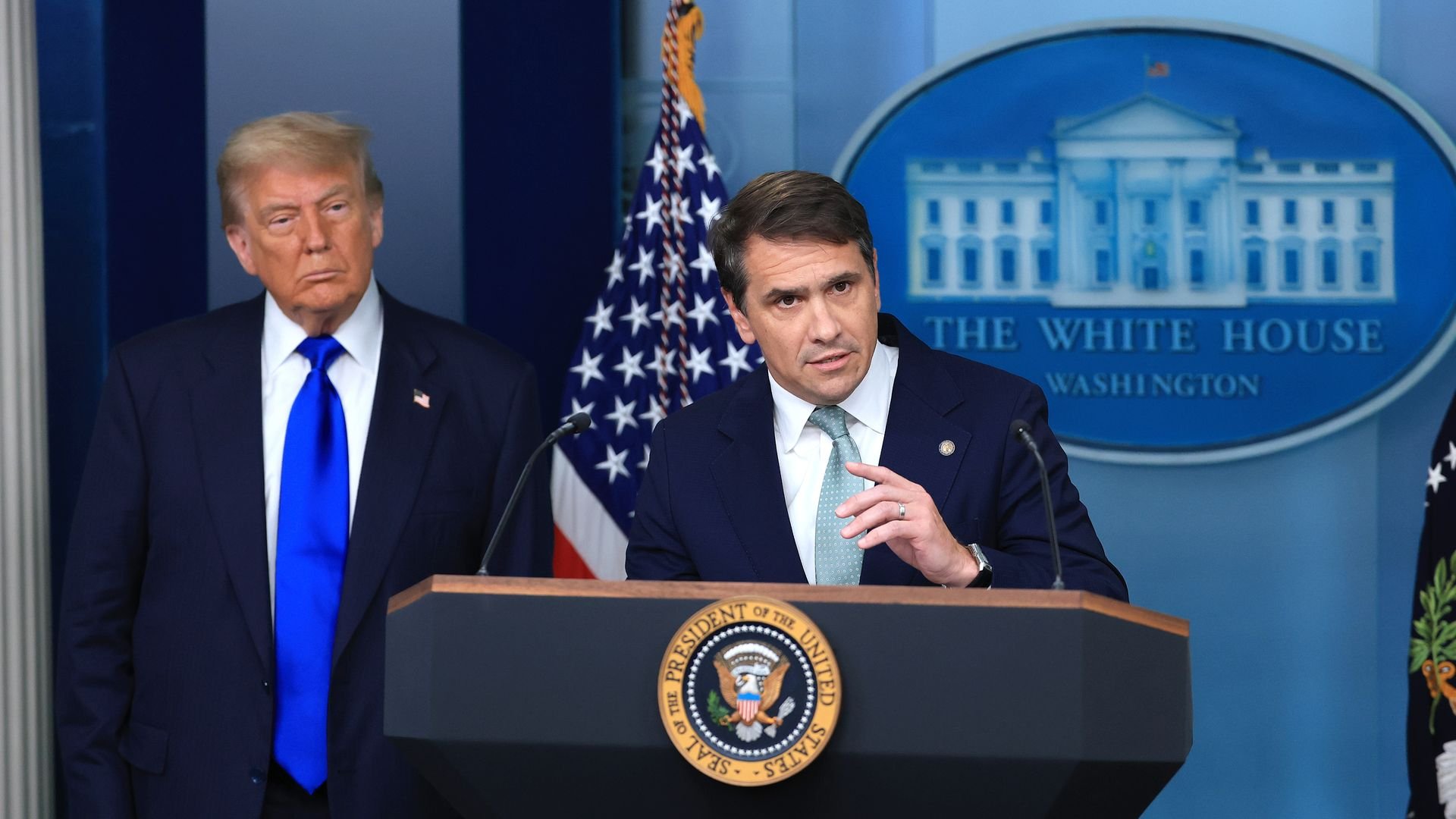
The legal challenge centers on the appropriation process and whether the executive branch exceeded its authority by redirecting funds without specific congressional approval for the exact mechanisms of the fund. The administration argues that the allocation falls under existing executive powers to ensure government efficiency and neutrality. Opponents argue that the fund lacks sufficient oversight and could be used to target political opponents within the civil service.
Financial and Administrative Context
The $1.77 billion figure represents a significant reallocation of federal resources. If implemented, the fund would have focused on three primary areas: the creation of a new oversight body to monitor agency conduct, the funding of legal challenges against existing federal regulations, and the implementation of new vetting processes for federal employees.
From a budgetary perspective, the move represents a shift in how the administration intends to manage the federal workforce. By earmarking nearly $2 billion for these purposes, the administration is attempting to build a financial infrastructure that can bypass traditional departmental budget constraints. This strategy allows for a more centralized control of resources, moving away from the decentralized budget authority typically held by individual agency heads.
Strategic Implications for Federal Governance
The block on this fund creates a temporary vacuum in the administration's strategy to overhaul the federal bureaucracy. The intended goal was to implement a system of checks and balances that would penalize agencies found to be acting with political bias. However, the legal freeze prevents the hiring of new personnel and the procurement of software tools designed to track agency decision-making patterns.
This legal battle highlights a growing tension between executive orders and the Power of the Purse held by Congress. The court's decision suggests that the judiciary will require a more explicit legislative mandate before allowing such a large sum to be redirected toward a non-traditional administrative goal.
Market and Policy Impact
While the block is temporary, the uncertainty affects several sectors. Government contractors specializing in compliance and auditing software, who expected a surge in contracts from this fund, now face a period of instability. Furthermore, the delay slows the administration's timeline for implementing structural changes to the civil service.
If the injunction holds, the administration may be forced to seek a formal appropriation bill through Congress, which would subject the fund to public debate and potential amendments. If the administration succeeds in lifting the block, the $1.77 billion will likely be deployed rapidly to establish the fund's infrastructure before further legal challenges can be mounted.
For those tracking the intersection of federal policy and administrative law, the Federal Register and the U.S. Courts website provide the official filings and rulings as this case progresses.
Comments
Please log in or register to join the discussion