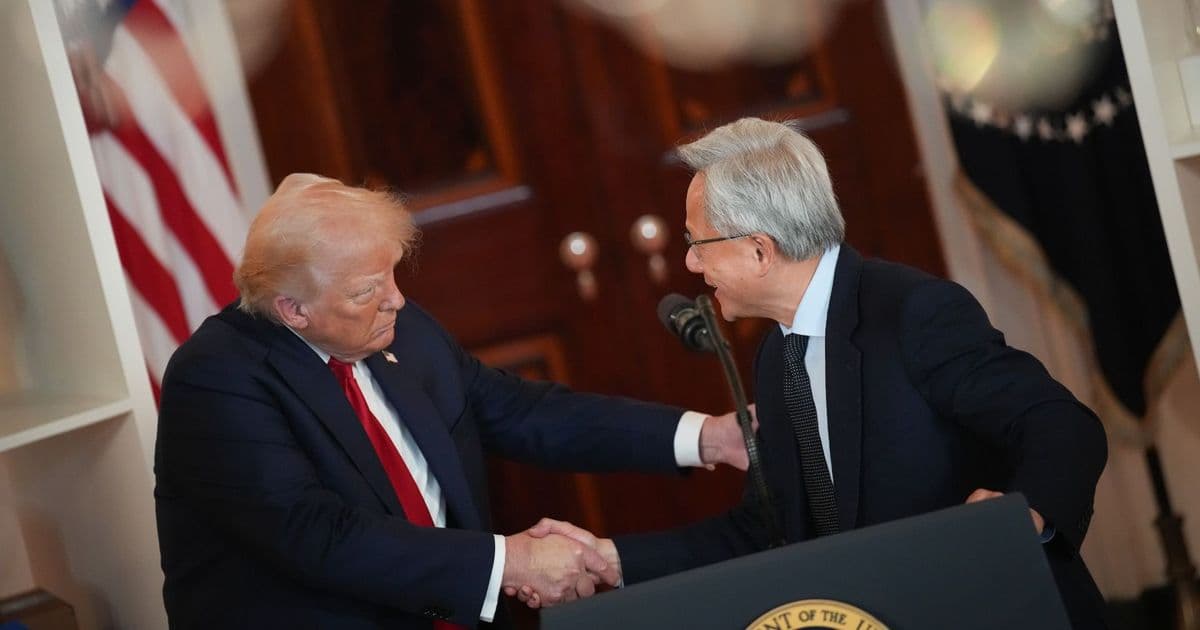
The shifting landscape of American AI chip export controls has created significant uncertainty in global semiconductor markets, with Nvidia maintaining 81% market share despite policy contradictions that leave international partners and competitors in strategic limbo.
US AI Chip Export Policy Creates Global Uncertainty as Market Leaders Maintain Dominance
The semiconductor industry operates on predictability. Companies make multi-billion dollar investments based on stable regulatory environments and coherent policy frameworks. Today, the U.S. AI chip export control policy has shattered that predictability, creating a vacuum that threatens to destabilize the most critical supply chain in technology.
Policy Whiplash Creates Strategic Confusion
The Biden administration's Framework for Artificial Intelligence Diffusion, published in January 2025, represented an attempt to establish clear guidelines for controlling the flow of advanced AI chips to potential adversaries. The framework was scheduled to take effect on May 15, 2025, but was abruptly rescinded by the Trump administration just before implementation. Since then, the administration has promised a replacement while pulling back another proposed rule in March 2026, creating what experts describe as "contradictory policy."
"The administration has a contradictory policy on this," stated Chris McGuire, senior fellow for China and emerging technologies at the Council on Foreign Relations and former deputy senior director for technology and national security at the U.S. National Security Council.
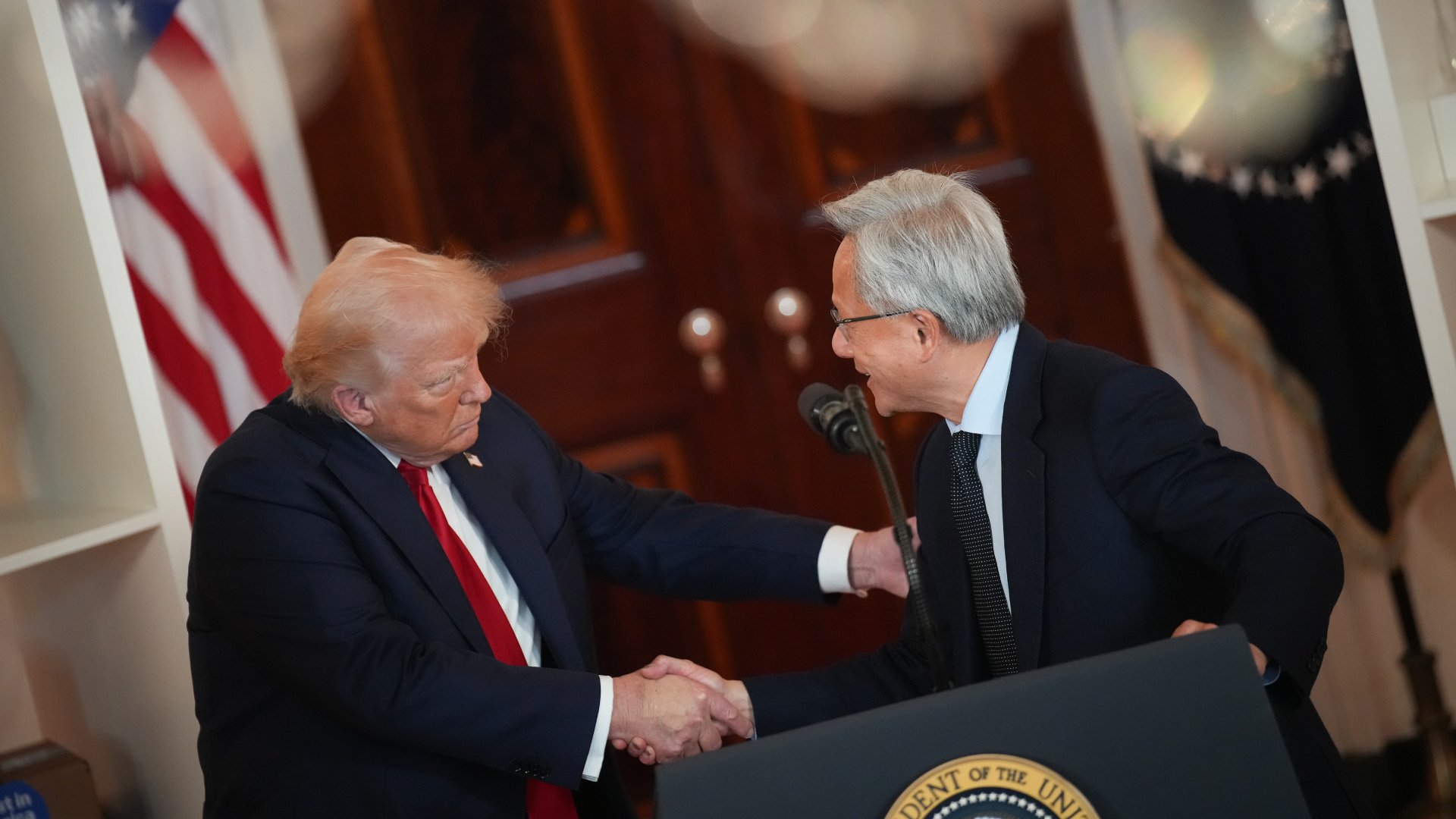
This policy whiplash has real consequences. Kevin J Wolf, a veteran export controls lawyer at Akin Gump and former assistant secretary of commerce for export administration, notes that "the Trump administration is just simply not enforcing, as a practical matter, the AI diffusion rule." Yet this distinction between practical and legal enforcement creates its own problems.
"Export controls usually derive a lot of their force from what is written into the Federal Register, as well as the predictability of the process surrounding those rules," Wolf explained. "Companies make billion-dollar investment decisions because they believe Washington, however slow or frustratingly it moves, is coherent. Wolf believes this coherence has broken down."
Expert Exodus and Administrative Vacuum
The departure of subject matter experts from the White House with the change of administration has exacerbated the problem.
"The AI experts, the chip experts, and the tool experts, they were all fired or quit early last year," Wolf noted.
In the absence of clear direction, exporters, cloud providers, and governments are left trying to infer American industrial strategy from Trump's Truth Social posts and snatched pronouncements from the White House. "I have no idea what their objective is," Wolf said. "Worse, he added, 'there is no 'there' there.'"
Yet some element of continuity exists. The Biden-era diffusion framework still technically exists, but the administration behaves as though it doesn't. This leaves the industry in a state of suspended animation, unable to plan with confidence.
Market Realities: Nvidia's 81% Market Dominance
The U.S. maintains significant leverage through market dominance. American AI chip suppliers, particularly Nvidia, control the critical nodes in the global AI supply chain. According to IDC data, Nvidia holds an 81% market share by revenue for chips destined for data centers.
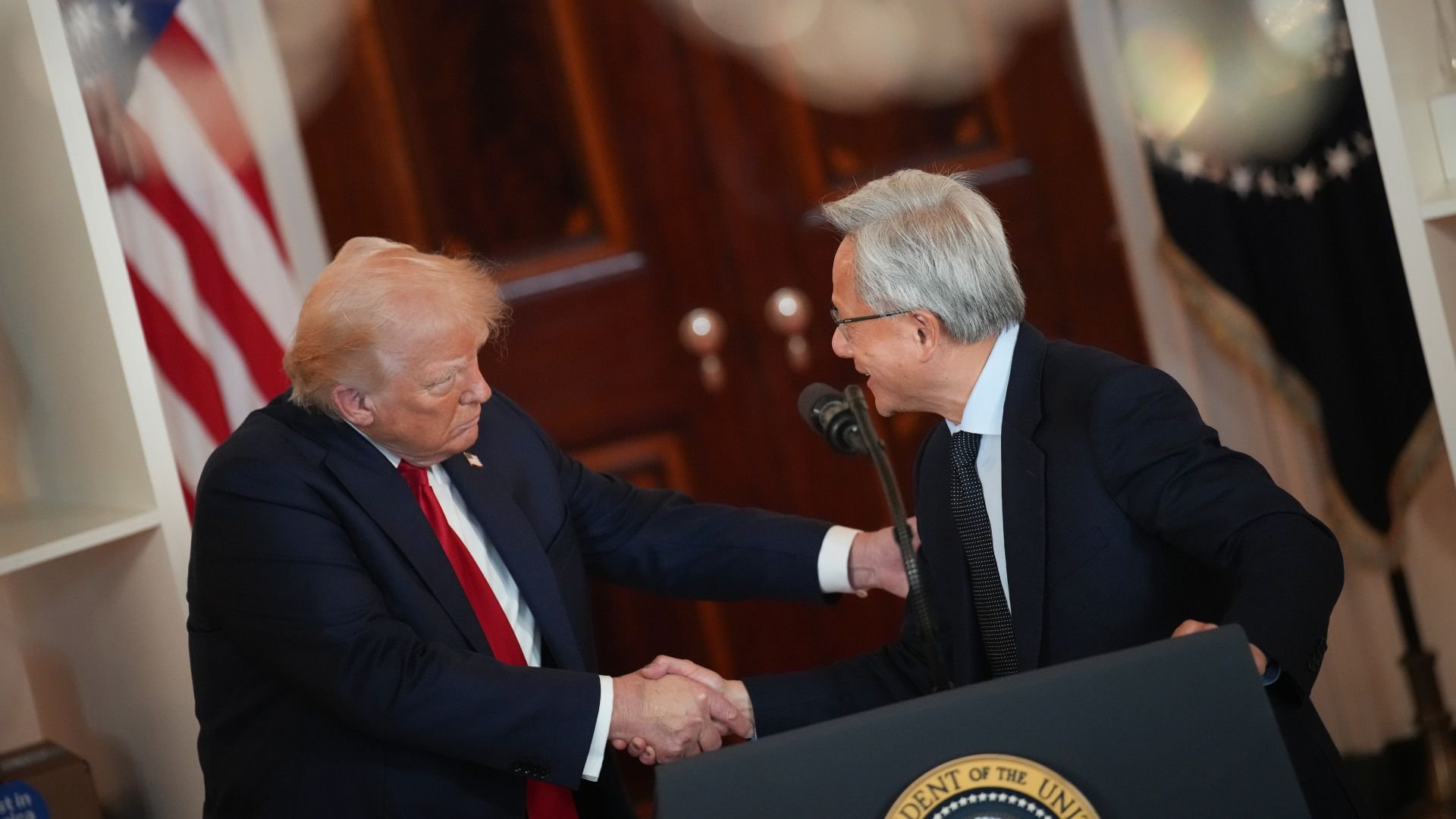
"The alternative to US AI chips is not Chinese AI chips," McGuire stated. "It's no AI chips."
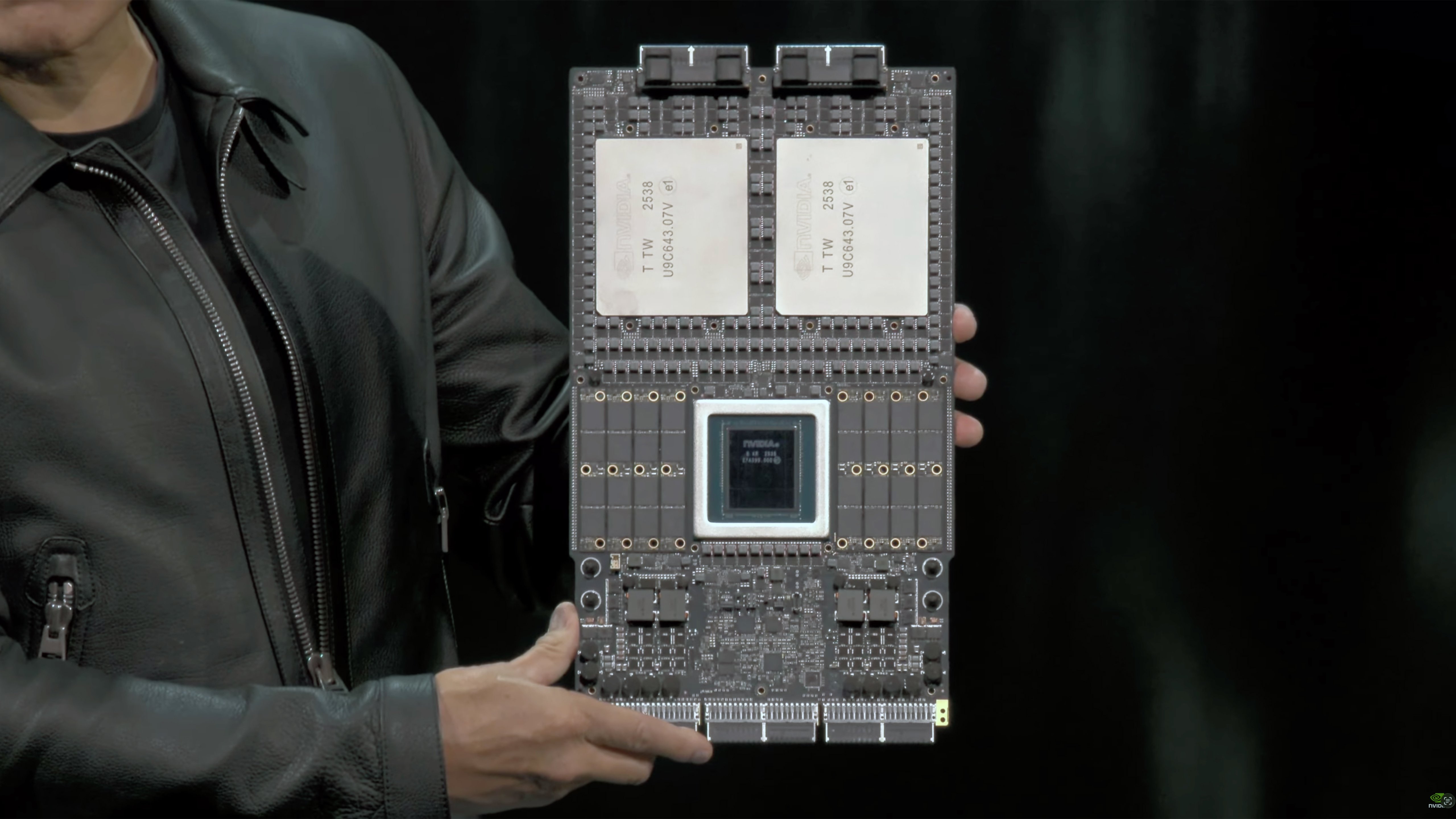
This dominance allows the U.S. to shape the market, decide which partners get access, and compel companies and countries to build their AI stacks within an American-designed architecture. The current generation of AI accelerators, including Nvidia's H100 and H200, and upcoming Vera Rubin series, represent the most advanced computing platforms available, with performance characteristics that remain unmatched by competitors.
The technical specifications of these chips underscore why alternatives remain limited. Nvidia's H100, built on TSMC's 4N process (equivalent to 4nm), delivers 30 teraflops of FP8 performance and 2 teraflops of FP64 performance. The H200, announced in November 2023, increases memory bandwidth to 4.8TB/s and delivers 2 TFLOPS in FP64 and 34 TFLOPS in FP8. These specifications represent the cutting edge of semiconductor manufacturing and computational capability.
Strategic Shift From Control to Platform Capture
The apparent contradiction in U.S. policy may reflect a strategic shift from pure control to platform capture.
"The U.S. is aiming for containment as well as platform capture," explained Alexander Capri, senior lecturer in the business school at the National University of Singapore. "The logic is that restricting sales too tightly risks 'kneecapping American companies' just as Chinese firms are catching up."
Rather than attempting to deny everyone access, the U.S. appears to be trying to make itself indispensable. "It's now about building dependence and reliance on America, on the American tech stack," Capri said.
This approach has already produced results. Overseas partnerships have increased, Gulf investment has flowed into American AI infrastructure, and more countries are becoming tied into a U.S.-led AI ecosystem by commercial necessity.
Global Consequences: Investment Hesitation and Acceleration
The uncertainty is creating divergent responses across the global semiconductor industry.
"The uncertainty is making plans in the future," Wolf explained. "Do we build this data in country X? Companies might decide to do so, then find in a month, a week or a year that it's suddenly embargoed under a Trump administration decision."
Because of this unpredictability, some businesses are holding back investment altogether, reluctant to pour billions into overseas capacity that might be trapped by a future rule. Others are racing ahead to try to make money before Washington changes its mind again.
In Southeast Asia, this has produced a mixture of hesitation and acceleration, while also allowing the area to gain more than $55 billion of investment in 2025. Countries that thought they might become neutral hosts for AI infrastructure have found themselves caught in a geopolitical storm they can't control.
Malaysia and Thailand have become particularly attractive locations for AI infrastructure because they welcome investment while sitting outside the U.S. China embargo. However, this same characteristic makes them attractive for bad actors looking to route chips somewhere less visible.
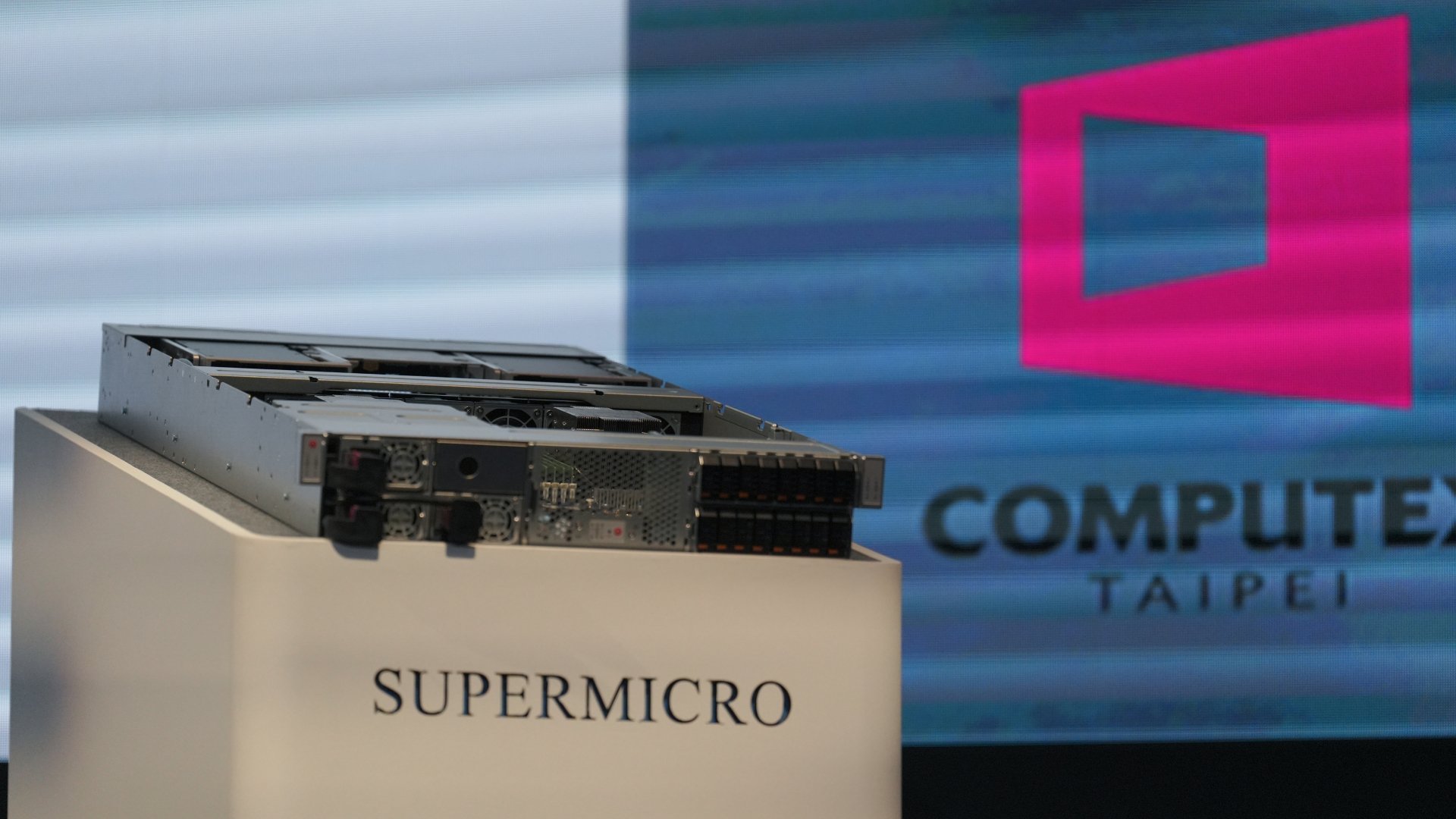
"This third country diversion problem is real and it's big," McGuire warned, pointing to recent smuggling cases, including the one involving former Super Micro executives. "The industry is not policing itself right now."
The Future of AI Export Controls
For now, Washington can still rely on the brute fact that the rest of the world needs American chips. But that window won't stay open indefinitely.
"I think they're going to have to, because the tech is going to force their hand," McGuire said. "The idea that advanced AI chips can 'flow to most countries in the world without the US government having any visibility or insight,' he argued, will soon 'seem preposterous.'"
Until a coherent policy emerges, the vacuum itself is becoming policy. What's most striking is the absence of the normal Washington machinery around rulemaking.
"There are no speeches, there's no government outreach, there's no conferences," Wolf said. "That means there's no settled doctrine to decode, or no obvious coalition pushing one approach over another, which means there's no real confidence that anyone inside the administration has fully decided what comes next."
For allies, investors and countries trying to build AI capacity without becoming collateral damage, that's the real lesson of Trump's chip policy: No one's steering the most important supply chain in tech.

The semiconductor industry has always operated on long-term planning horizons. The current uncertainty threatens to disrupt that fundamental assumption, potentially delaying critical AI infrastructure development while creating opportunities for those willing to navigate the chaos. As the technology continues to advance at a breathtaking pace, the U.S. will eventually need to decide whether to lead with clear policy or risk ceding influence through inconsistency.
Comments
Please log in or register to join the discussion