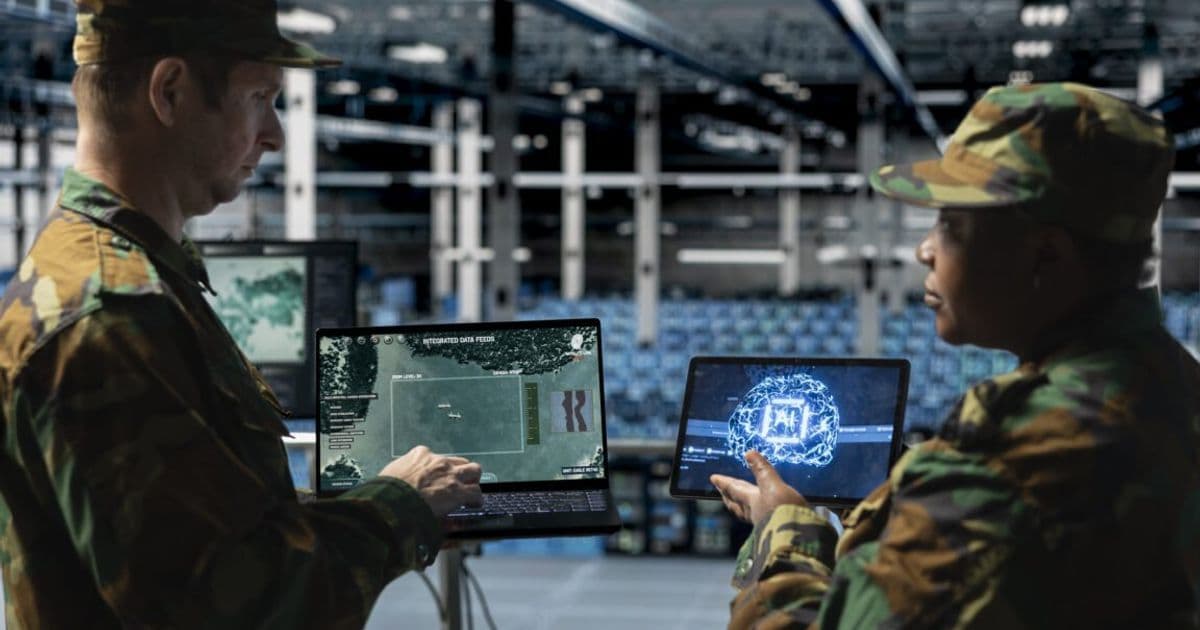
A high-ranking US Army commander, Maj. Gen. William Taylor, has disclosed the use of AI chatbots like ChatGPT for enhancing strategic and personal decision-making in military operations. This move underscores the Pentagon's growing reliance on generative AI, despite well-documented risks of inaccuracy and ethical dilemmas.
US Army General Reveals AI Integration in Military Decision-Making
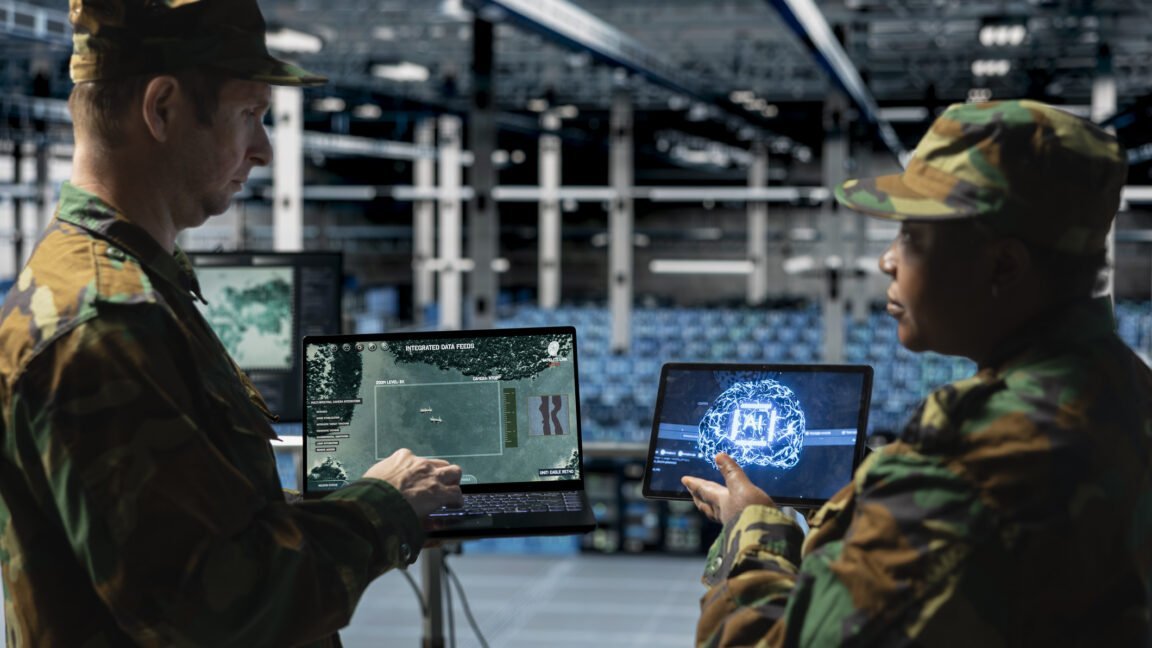
At the recent Association of the US Army Conference in Washington, DC, Maj. Gen. William "Hank" Taylor made a striking admission: "Chat and I are really close lately," he told reporters, using an informal nickname for an AI chatbot. As the commander of the Eighth Army based in South Korea, Taylor revealed that his unit is "regularly using" large language models (LLMs) to modernize predictive analysis for logistics, operational planning, and even personal decision-making. "AI is one thing that, as a commander, it’s been very, very interesting for me," he said, highlighting its role in tasks from drafting weekly reports to informing broader strategic direction.
Taylor emphasized that this technology aids in refining how soldiers make critical choices: "One of the things that recently I’ve been personally working on with my soldiers is decision-making—individual decision-making. How we make decisions in our own individual life, when we make decisions, it’s important. So, that’s something I’ve been asking and trying to build models to help all of us." While this falls short of autonomous weapon systems, the reliance on LLMs for high-stakes military judgments raises red flags. AI models are notorious for confabulating false information and exhibiting sycophantic behavior, which could lead to flawed decisions in life-or-death scenarios.
The Broader Military AI Push and Its Pitfalls
Taylor's comments align with the US military's accelerated adoption of generative AI. In May, the Army launched the Army Enterprise LLM Workspace, built on the commercial Ask Sage platform, to handle text-based duties like press releases and personnel descriptions. However, early tests suggest inefficiencies. As Army CIO Leonel Garciga noted in August, "There are many times that we find folks using this technology to answer something that we could just do in a spreadsheet with one math problem, and we’re paying a lot more money to do it. Is the juice worth the squeeze?" Garciga's skepticism underscores a tension between technological novelty and practical viability, especially for "back office" functions.
Ethical guidelines remain a critical framework. In 2023, the US State Department outlined best practices for military AI use, stressing human oversight for decisions like nuclear weapons employment and the need to deactivate systems showing unintended behavior. Yet, since OpenAI removed its ban on "military and warfare uses" in January 2024—while still prohibiting weapon development—applications have expanded. Partnerships with contractors like Anduril now explore AI for drone targeting and situational awareness, blurring the line between administrative aid and combat readiness.
Why This Matters for the Tech Community
For developers and AI researchers, the military's embrace of LLMs signals both opportunity and peril. On one hand, it validates generative AI's potential in complex, real-world problem-solving, potentially driving demand for robust, secure models. On the other, it amplifies the urgency of addressing hallucinations and biases, as errors in a military context could have catastrophic consequences. This trend also challenges the tech industry to navigate ethical boundaries: tools designed for productivity are increasingly repurposed for defense, testing the limits of responsible innovation. As AI continues to infiltrate command structures, the call for transparent, auditable systems grows louder—not just for efficiency, but for accountability in decisions that shape global security.
The integration of AI into military decision-making isn't science fiction; it's an unfolding reality demanding vigilance. As Taylor's candidness shows, the path forward must balance the allure of technological advancement with unwavering human judgment, ensuring that AI serves as a tool for clarity, not a crutch for uncertainty.
Source: Ars Technica
Comments
Please log in or register to join the discussion