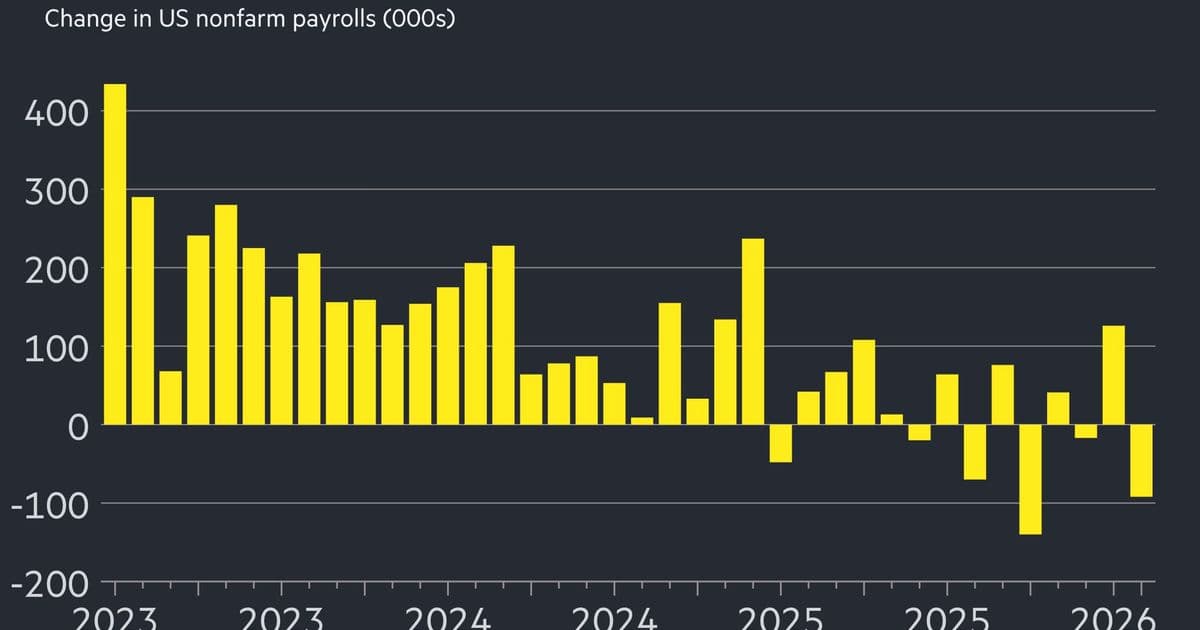
The US economy lost 92,000 jobs in February, marking a significant downturn that has economists and policymakers on high alert.
The US economy experienced a sharp contraction in February, shedding 92,000 jobs in a surprising downturn that has raised alarms across financial markets and policy circles. This unexpected decline marks a significant reversal from the steady job growth that characterized much of the previous year, suggesting potential vulnerabilities in the labor market that could have broader economic implications.
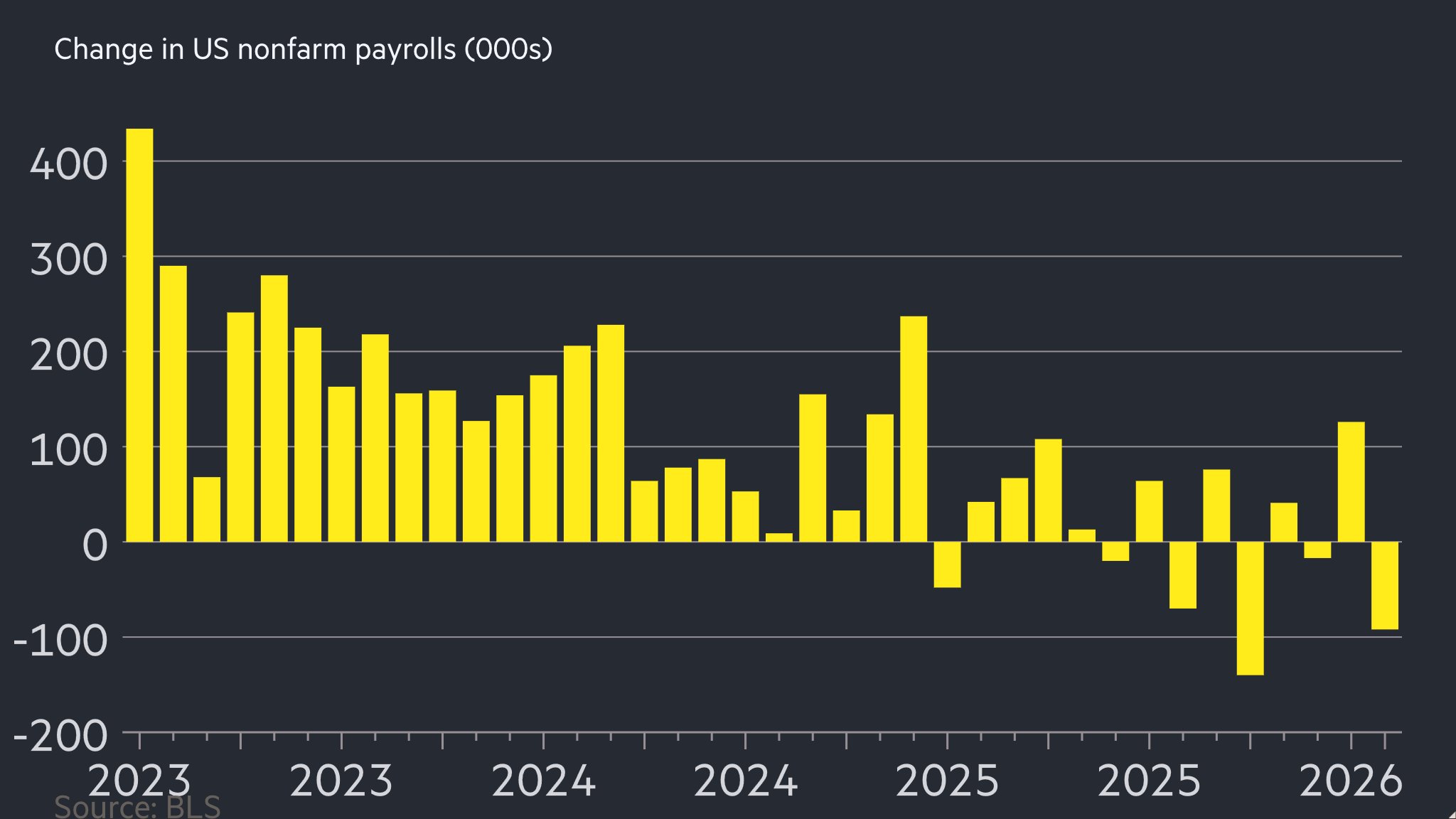
The February job losses were distributed across multiple sectors, with manufacturing and retail experiencing particularly steep declines. Several major retailers announced store closures and workforce reductions in response to changing consumer spending patterns, while manufacturing firms cited supply chain disruptions and softening demand as reasons for cutting back on production and staffing.
Economic analysts are now debating whether this represents a temporary blip or the beginning of a more sustained downturn. Some point to seasonal factors and weather-related disruptions that may have temporarily depressed hiring, while others see it as an early warning sign of economic weakness that could accelerate in the coming months.
Federal Reserve officials are closely monitoring these developments, as the labor market has been a key pillar supporting the broader economy. A sustained weakening in employment could force a reassessment of monetary policy, potentially leading to interest rate cuts if the trend continues.
Labor market experts note that while 92,000 jobs represents a relatively small fraction of the total US workforce, the composition of losses matters significantly. The concentration of job cuts in lower-wage sectors could have disproportionate effects on consumer spending and economic confidence, potentially creating a negative feedback loop.
Small business owners report growing concerns about rising costs and uncertain demand, with many indicating they're holding off on hiring plans or considering workforce reductions themselves. This sentiment survey data suggests the February job losses may be part of a broader trend rather than an isolated incident.
The timing of this downturn is particularly notable given that it comes amid ongoing discussions about economic policy and potential stimulus measures. Policymakers are now faced with difficult decisions about whether to intervene to support the labor market or allow market forces to play out.
International trade tensions and geopolitical uncertainties continue to weigh on business confidence, with many executives citing these factors as reasons for cautious hiring and investment decisions. The interconnected nature of the global economy means that developments in other regions can quickly impact US employment trends.
Looking ahead, economists are watching several key indicators that could signal whether February's job losses represent a temporary setback or the start of a more significant economic slowdown. These include consumer confidence measures, business investment data, and wage growth trends, all of which provide context for understanding labor market dynamics.
For workers, the sudden shift from job growth to job losses has created uncertainty and anxiety, particularly for those in sectors most affected by the downturn. Career counselors and workforce development agencies report increased demand for services as people seek to navigate the changing job market.
The 92,000 job losses in February serve as a reminder of the economy's vulnerability to various shocks and the importance of maintaining flexibility in both business operations and economic policy. As the situation continues to evolve, all eyes will be on upcoming economic data to determine whether this represents a temporary correction or the beginning of a more challenging period for the US labor market.
Comments
Please log in or register to join the discussion