Apple CEO Tim Cook steps down, naming John Ternus as successor, while reports suggest key executive Mike Rockwell may depart, raising questions about talent retention during the transition.
Apple Inc. is undergoing a significant leadership transition as Tim Cook prepares to step down as CEO later this year, with John Ternus named as his successor. The announcement has sent ripples through the tech industry, not only because of the change in leadership but also due to concerns about Apple's ability to retain top talent during this critical period.
The Leadership Change
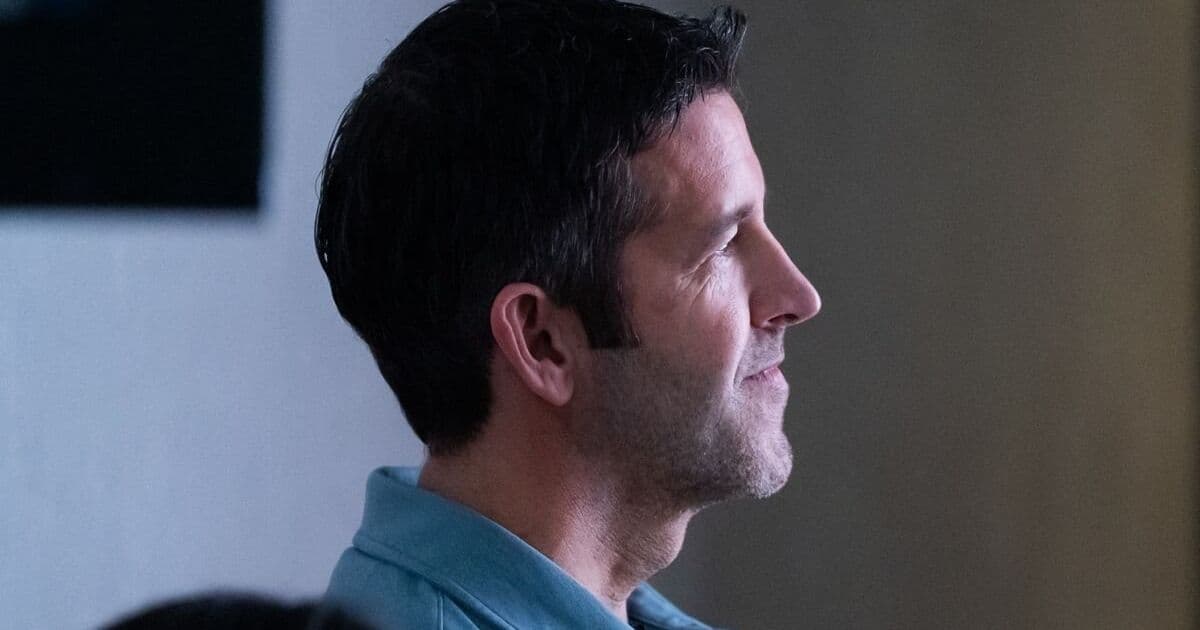
When Apple announced Cook's departure and Ternus's appointment, the company published an image that signaled a new era for the tech giant. Cook, who has led Apple since 2011, stated he's stepping down now to ensure the "best-ever transition," citing strong financials, an "incredible" pipeline, and Ternus's readiness for the role.
Sources close to longtime colleagues suggest that Ternus will bring back a Jobs-era decisiveness, shifting from Cook's era when decisions were made collectively by top executives. This change in leadership style could have significant implications for Apple's corporate culture and decision-making processes.
Executive Exodus Concerns
However, the transition comes at a challenging time for Apple. Reports indicate that Mike Rockwell, a key executive, has considered leaving or taking an advisory role next year. This potential departure highlights a broader concern about talent retention during the leadership change.
John Ternus faces a major challenge as he settles into the CEO role: retaining top talent during a time of historic turnover. The tech industry is notoriously competitive for executive talent, and Apple's transition period could make it vulnerable to poaching from rivals.
What This Means for Apple
The leadership transition raises several important questions about Apple's future direction:
Product Strategy: Will Ternus maintain Cook's product roadmap, or will he pivot toward new initiatives? His background as a mechanical engineer who joined Apple in 2001 and helped lead the Mac's transition to Apple Silicon suggests he may emphasize hardware innovation.
Corporate Culture: The shift from Cook's collaborative decision-making to a more decisive approach could accelerate product development but might also create internal friction.
Talent Management: Apple's ability to retain key executives like Rockwell will be crucial for maintaining its competitive edge, particularly as the company faces increasing pressure in areas like artificial intelligence.
Industry Context
The timing of this transition is particularly interesting given the broader tech landscape. As AI becomes Apple's next big test, the company needs stable leadership to navigate this competitive space. Ternus's appointment comes as rivals like Anthropic and OpenAI continue to push boundaries in AI development.
Meanwhile, the tech industry continues to evolve rapidly, with companies like SpaceX making massive investments in AI infrastructure and Google working to unify its internal AI coding tools. Apple will need to maintain its innovation momentum while managing this significant leadership change.
Looking Ahead
As Cook steps down on his own terms and seemingly picks the right successor in Ternus, much like Steve Jobs did with Cook, the tech world will be watching closely. The success of this transition could determine Apple's trajectory for the next decade.
The coming months will be critical as Ternus settles into his new role and works to reassure both employees and investors about Apple's direction. His ability to retain key talent while maintaining Apple's innovative edge will be perhaps his biggest challenge in the early days of his tenure.
For now, the tech industry waits to see whether this leadership change will mark a new chapter of growth for Apple or whether the potential executive exodus signals deeper challenges ahead.
Comments
Please log in or register to join the discussion