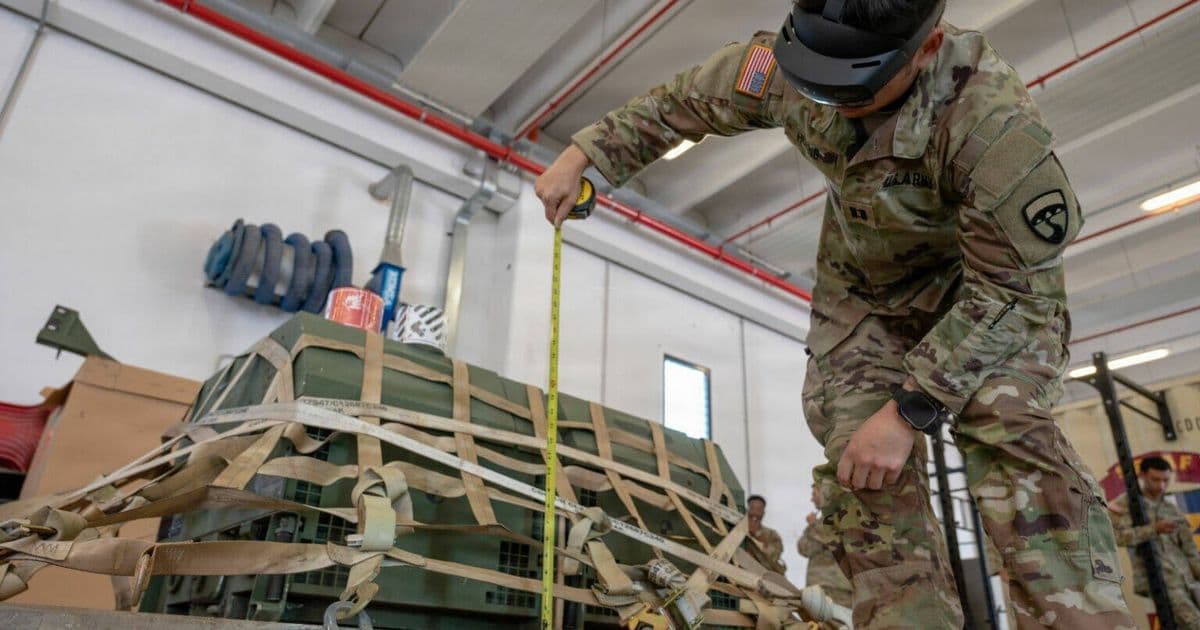
Microsoft's HoloLens finds new life in military logistics after failed combat trials, enabling remote cargo inspection through augmented reality.
The US military has found a new use for Microsoft HoloLens headsets after their failed deployment as battlefield equipment, repurposing the augmented reality devices for remote cargo inspection support. The initiative, which connects Air Force cargo inspectors with Army personnel through AR technology, represents a more practical application of the technology than its original combat-focused design.
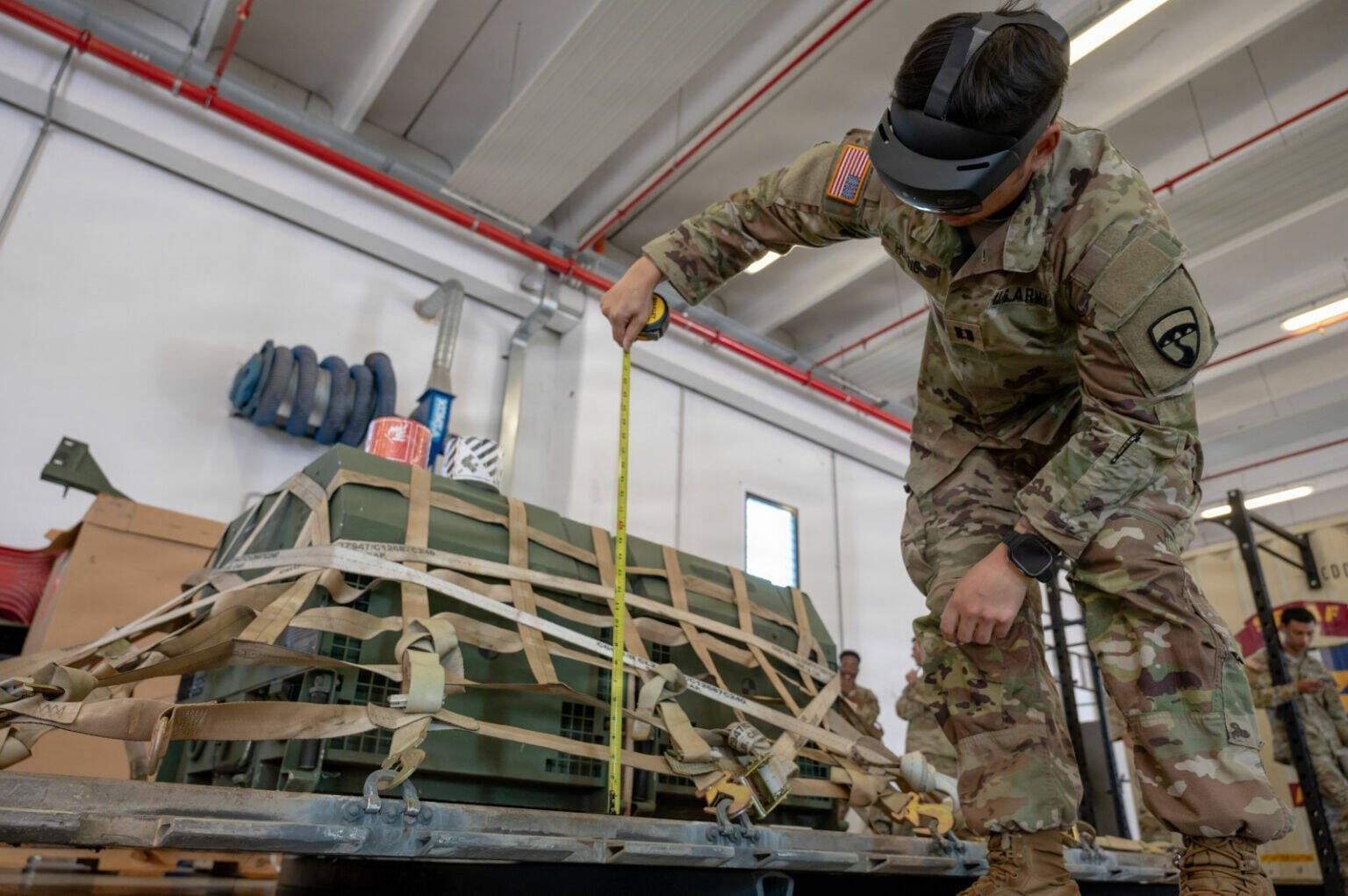
The project emerged from a collaboration between the 724th Air Mobility Squadron in Aviano, Italy, and the Army's 173rd Airborne Brigade, also based in Vicenza. The setup allows qualified Air Force personnel to remotely inspect and guide soldiers through the process of preparing equipment pallets for air transport, addressing a longstanding logistical challenge in military operations.
"We spent a year working with the manufacturer [Microsoft] and experimenting with different add-ons to figure out the right software and process we needed to get to where we are today," said Chief Master Sgt. Anthony Sewejkis of the 725th Air Mobility Squadron. "Now it's plug and play. We can connect [from] anywhere just using the HoloLens, a Wi-Fi hotspot and a laptop."
The system works by allowing airmen to see through the soldiers' eyes via the HoloLens cameras, then use the device's augmented reality capabilities to highlight specific areas that need attention. This visual guidance helps direct soldiers to adjust rigging, reposition cargo, or make other necessary modifications to ensure proper load balancing for aircraft transport.
This cargo inspection project stands in stark contrast to the military's previous attempt to deploy HoloLens technology on the battlefield. In 2018, the Army awarded Microsoft a contract worth up to $22 billion over a decade to develop the Integrated Visual Augmentation System (IVAS), custom headsets derived from HoloLens technology designed to provide soldiers with battlefield heads-up displays.
However, the IVAS program encountered significant problems during testing. A Pentagon watchdog report documented that the goggles caused "mission-affecting physical impairments" among test soldiers, including headaches, eyestrain, and nausea. These issues, combined with congressional resistance to continued funding, ultimately led Microsoft to abandon the program. The company passed control to Anduril, founded by Oculus inventor Palmer Luckey, which later brought Meta into the partnership before the Army relaunched the effort under a new name: the Soldier Borne Mission Command (SBMC) program.
The cargo inspection application represents a more successful implementation of HoloLens technology, leveraging its core strengths in remote visual assistance and augmented reality guidance. The 521st Air Mobility Operations Wing noted that the technology "increases the speed of maneuver to sustain joint force lethality across the competition continuum," military-speak for improving operational efficiency.
Microsoft's decision to end HoloLens development in late 2024, with support for existing models continuing only through the end of 2027, adds another layer of complexity to the military's mixed reality ambitions. It remains unclear whether the headsets used in the cargo inspection project were leftover IVAS units, discounted inventory acquired by the Air Force, or equipment purchased specifically for this purpose.
The success of the cargo inspection program suggests that while Microsoft's vision of HoloLens as a combat system may have faltered, the technology still holds value for military applications that don't require soldiers to wear the devices for extended periods in high-stress combat situations. The remote assistance model, where qualified personnel can guide less-experienced troops through complex procedures, appears to be a more natural fit for the technology's capabilities.
This repurposing effort also highlights the military's ongoing challenge in finding practical applications for emerging technologies. While the initial IVAS program aimed for ambitious battlefield transformation, the cargo inspection project takes a more measured approach, focusing on solving specific logistical problems with existing technology rather than attempting to revolutionize warfare overnight.
The Air Force and Army's willingness to experiment with commercial AR technology for military logistics purposes could pave the way for similar applications in other areas where remote expertise is valuable but physical presence is impractical or impossible. As the military continues to explore mixed reality applications, the cargo inspection program may serve as a template for future projects that prioritize practical utility over technological ambition.
Comments
Please log in or register to join the discussion