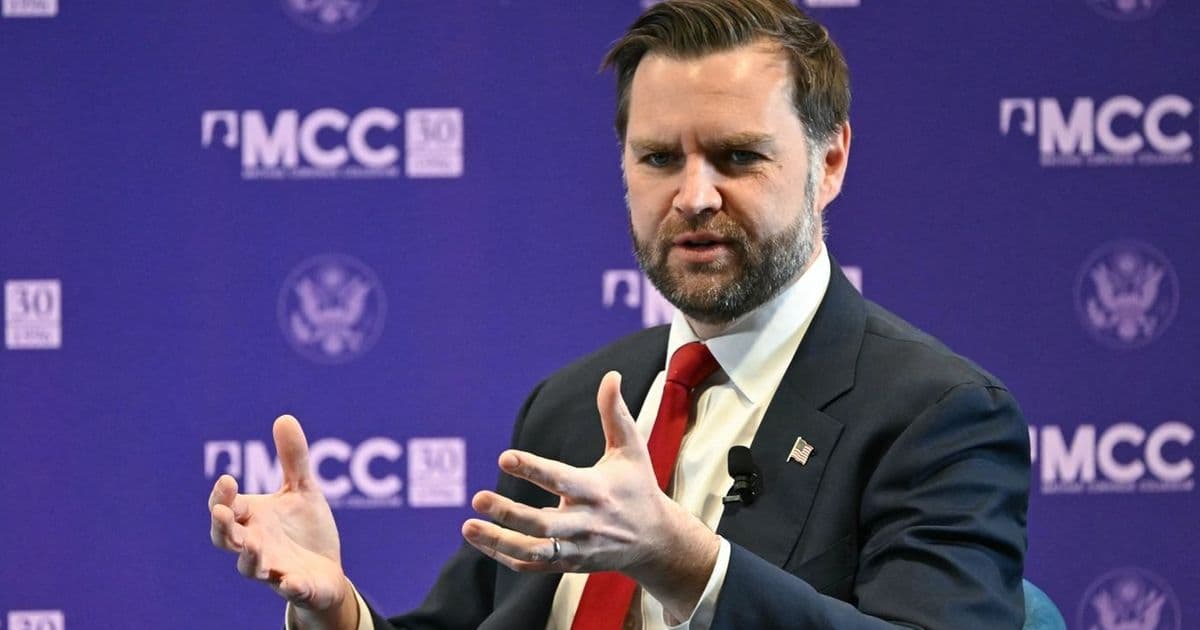
Vice President JD Vance revealed that Israel has proposed limiting military operations in Lebanon during ongoing U.S.-Iran negotiations, signaling a potential diplomatic breakthrough in the Middle East.
Vice President JD Vance disclosed that Israel has offered to restrain its military strikes in Lebanon during ongoing U.S.-Iran negotiations, marking a significant diplomatic development in the Middle East conflict.
During a press briefing, Vance stated that the Israeli government has communicated its willingness to limit military operations in Lebanon while the United States engages in sensitive talks with Iran over its nuclear program and regional influence. The offer represents a potential de-escalation in the volatile border region between Israel and Lebanon, where tensions have escalated in recent months.
The timing of this offer is particularly noteworthy, as it comes amid heightened diplomatic activity in the region. The United States has been working to revive negotiations with Iran, which have stalled multiple times over the past year. Israel, historically opposed to any concessions to Iran, appears to be signaling flexibility in exchange for progress on the nuclear talks.
Military analysts note that Israel has conducted numerous airstrikes in Lebanon in recent months, targeting what it claims are Hezbollah positions and weapons caches. The Lebanese government has repeatedly condemned these strikes as violations of its sovereignty. An Israeli restraint offer could provide breathing room for Lebanese authorities and potentially reduce civilian casualties in the conflict zone.
The offer also reflects the complex balancing act that the United States must perform in the region. Washington seeks to contain Iran's nuclear ambitions while maintaining its strategic alliance with Israel. By securing an Israeli commitment to limit strikes, the U.S. gains additional leverage in its negotiations with Tehran.
Regional experts suggest that Israel's offer may be conditional on tangible progress in the U.S.-Iran talks. "Israel is unlikely to make such an offer without expecting something significant in return," noted one Middle East policy analyst. "This could be Israel's way of ensuring that the U.S. maintains a tough stance in the negotiations while still showing flexibility on the military front."
The disclosure by Vance comes at a time when the Biden administration is facing pressure from both Israel and Iran. Israeli Prime Minister Benjamin Netanyahu has repeatedly warned against any agreement that would allow Iran to maintain aspects of its nuclear program, while Iranian officials have insisted on sanctions relief as a precondition for any deal.
For Lebanon, caught between these regional powers, the potential reduction in Israeli strikes could provide some relief to its fragile government and military. Lebanon has been grappling with an economic crisis and political instability, and any de-escalation along its southern border would be welcomed by authorities in Beirut.
The international community will be watching closely to see if this offer materializes into concrete action and whether it influences the trajectory of the U.S.-Iran negotiations. The coming weeks will be critical in determining whether this diplomatic opening leads to meaningful progress or becomes another casualty of the region's complex geopolitics.
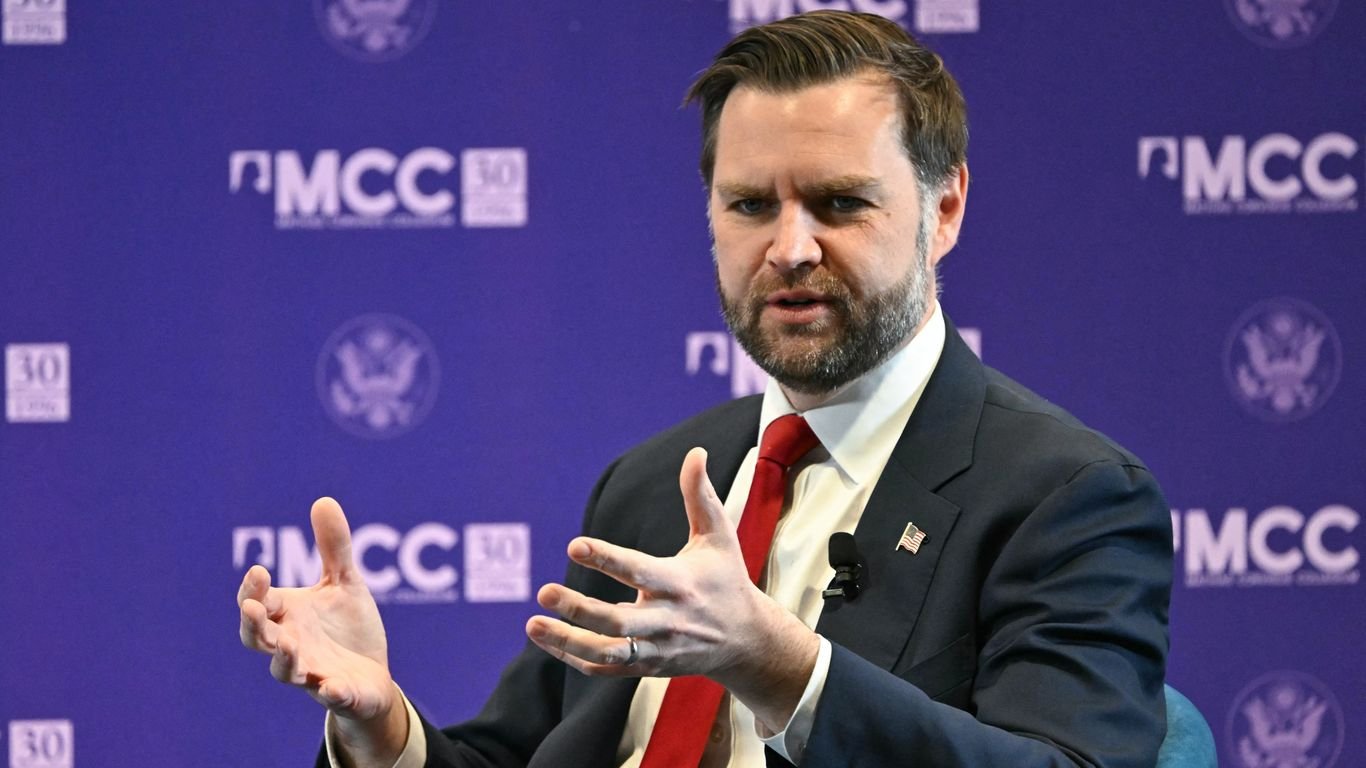
The image shows a fireball rising from a building hit by an Israeli airstrike near the southern Lebanese city of Tyre on April 8, illustrating the type of military action that Israel has now offered to restrain during the sensitive U.S.-Iran talks.
Comments
Please log in or register to join the discussion