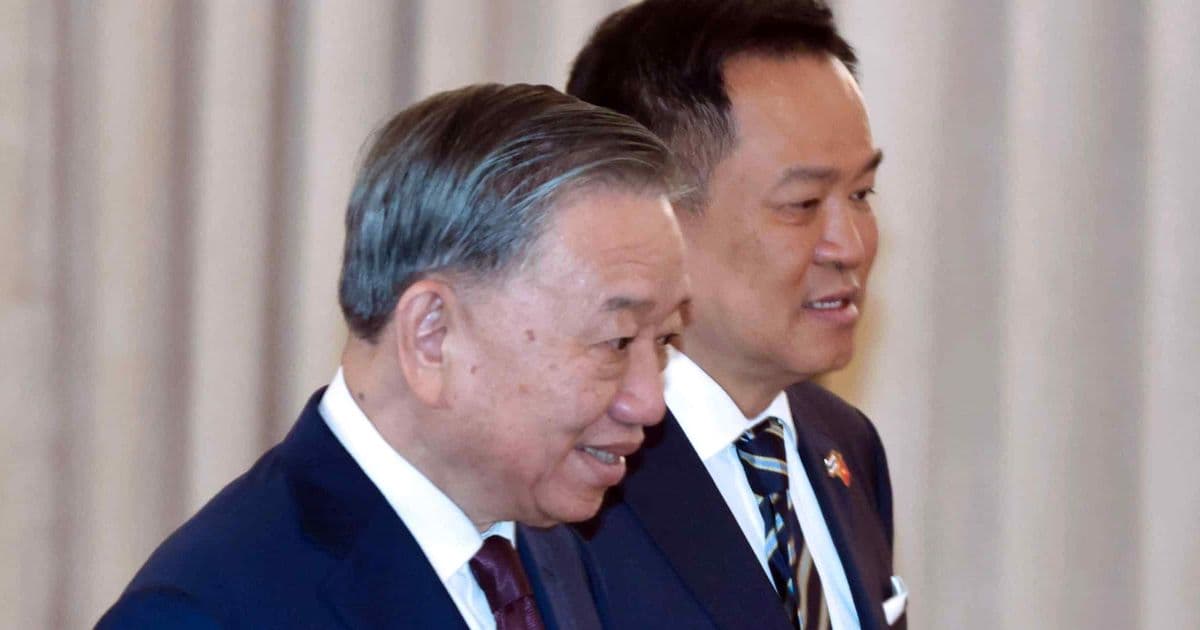
President To Lam’s first overseas trip as Vietnam’s head of state focused on deepening economic cooperation with Thailand, aiming to hit a $25 billion bilateral trade target by 2030 and to integrate supply‑chain networks in electronics, automotive parts, and agrifood sectors.
Vietnam‑Thailand summit sets $25 bn trade goal
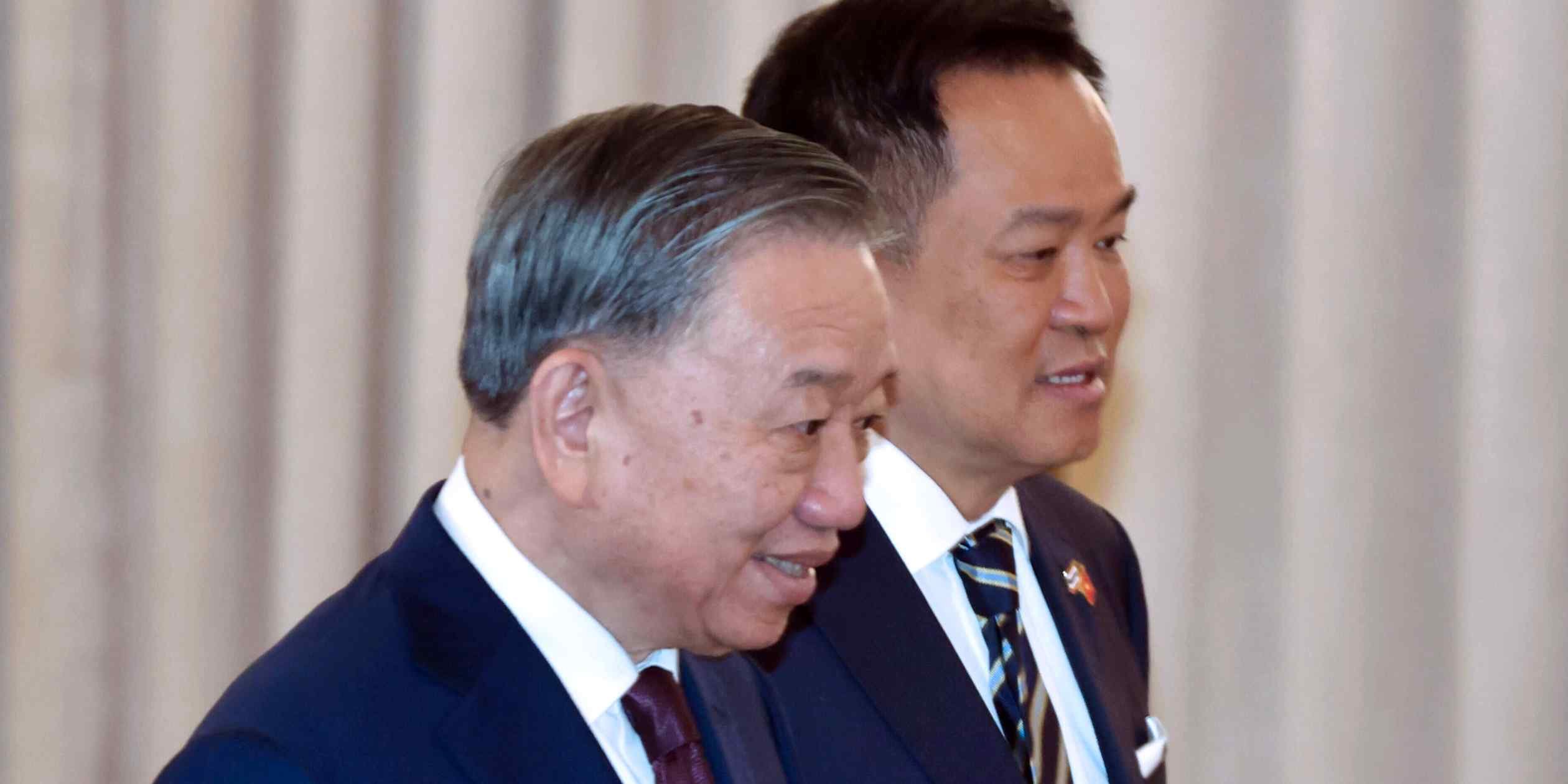
Vietnam’s president and Communist Party chief To Lam arrived in Bangkok on May 28 for a two‑day summit with Thai Prime Minister Anutin Charnvirakul. The visit marks his first trip abroad since taking office and comes at the 50th anniversary of diplomatic ties between the two ASEAN neighbours. Both leaders used the occasion to announce a joint roadmap that seeks to lift bilateral trade from the current $18.3 billion (2024) to $25 billion by the end of the decade.
Market context: why the push now?
Supply‑chain realignment – The ongoing reshoring of electronics manufacturing from China has left a gap that Vietnam and Thailand are trying to fill together. Vietnam’s semiconductor‑assembly capacity grew 22 % year‑on‑year in 2025, while Thailand’s auto‑parts export value rose 14 % in the same period. Coordinating production lines could reduce lead times for multinational OEMs by up to 15 days, according to a joint industry study.
Energy and minerals cooperation – Both governments highlighted plans to co‑invest in lithium‑ion battery material processing, leveraging Thailand’s downstream expertise and Vietnam’s access to nickel from the Central Highlands. Preliminary figures put the potential market for battery‑grade nickel at $1.8 billion annually by 2028.
Regional trade dynamics – The RCEP framework, which both countries ratified in 2022, has lowered tariffs on 70 % of goods traded between them. However, non‑tariff barriers remain, especially in phytosanitary standards for agricultural products. The summit’s working groups will target a 30 % reduction in customs clearance times for perishable goods.
What it means for investors and businesses
Infrastructure pipelines will accelerate – Vietnam’s Ministry of Transport announced a $4.2 billion investment in a high‑speed rail link that will connect Ho Chi Minh City to the Lao‑Thai border by 2032. The line is expected to handle 12 million tonnes of freight annually, directly feeding Thai ports such as Laem Chabang.
Foreign direct investment (FDI) pipelines expand – Thailand’s Board of Investment (BOI) pledged $1.5 billion in incentives for firms that set up joint ventures with Vietnamese partners in high‑tech manufacturing. Early‑stage interest has already materialised in three projects: a Taiwan‑backed PCB plant in Rayong, a German‑Vietnamese automotive‑components hub in Samut Prakan, and a Singapore‑Vietnam agritech incubator in Chiang Mai.
Currency and financing considerations – Both sides agreed to pilot a Vietnamese‑Thai trade finance platform that will allow exporters to settle invoices in either the Vietnamese đồng or Thai baht, reducing FX exposure. The platform, built on a blockchain ledger supplied by a local fintech consortium, could cut transaction costs by up to 0.4 percentage points.
Risk mitigation for supply‑chain disruptions – With the Middle‑East conflict driving LNG price volatility, the two governments signed a memorandum of understanding to share strategic petroleum reserves. Thailand’s PTT will increase LNG imports from Vietnam’s emerging offshore projects, while Vietnam will tap Thai storage facilities for emergency supply.
Strategic implications for the broader ASEAN market
The Vietnam‑Thailand agenda signals a shift from bilateral goodwill to concrete economic engineering. By aligning their industrial policies, the two nations are positioning themselves as a single‑market hub for multinational firms seeking to diversify away from China. If the $25 bn target is met, ASEAN’s intra‑regional trade share of global manufacturing output could rise from the current 13 % to near 18 % by 2035, according to the Asian Development Bank’s latest forecast.
For investors, the summit highlights three actionable themes:
- Infrastructure‑linked equities – Companies involved in rail, port, and logistics infrastructure are likely to benefit from the upcoming freight corridors.
- High‑tech manufacturing – Firms that can supply equipment or services to the emerging Vietnam‑Thailand battery and semiconductor supply chain may see accelerated order books.
- Financial‑services platforms – Providers of cross‑border payment and trade‑finance solutions stand to capture market share as the new blockchain‑based settlement system scales.
In sum, To Lam’s Bangkok visit moves the Vietnam‑Thailand partnership from diplomatic rhetoric to a data‑driven growth plan, with clear financial targets, sector‑specific initiatives, and a roadmap that could reshape supply‑chain dynamics across Southeast Asia.
Comments
Please log in or register to join the discussion