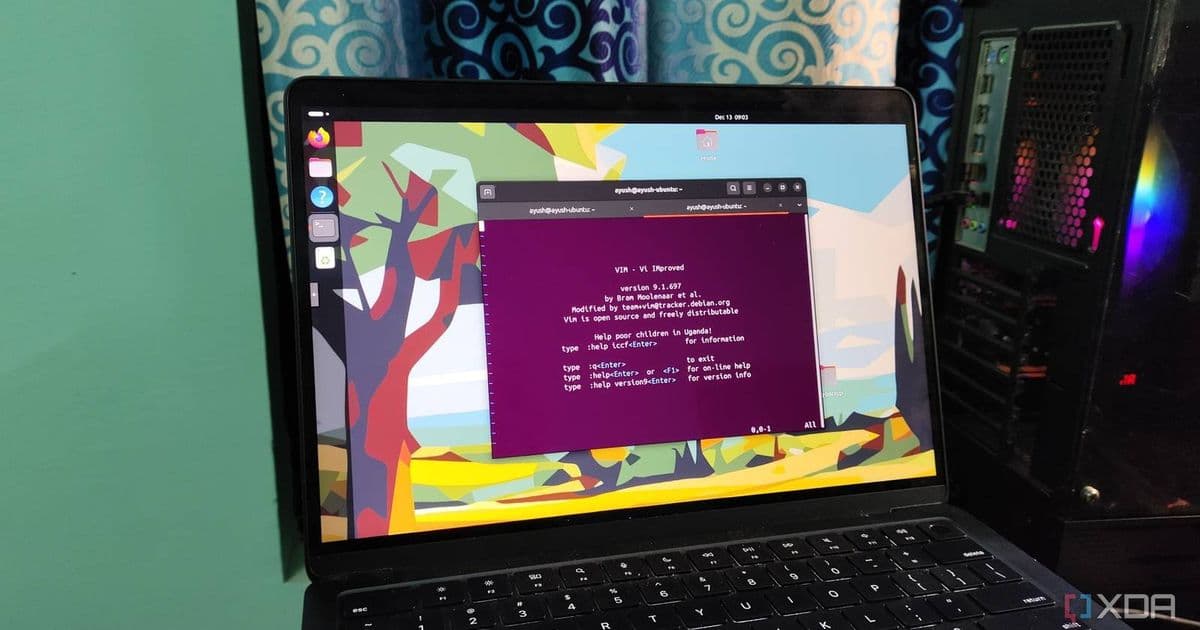
Vim's latest update introduces experimental Wayland UI/clipboard support, XDG config compliance, and enhanced completion features.
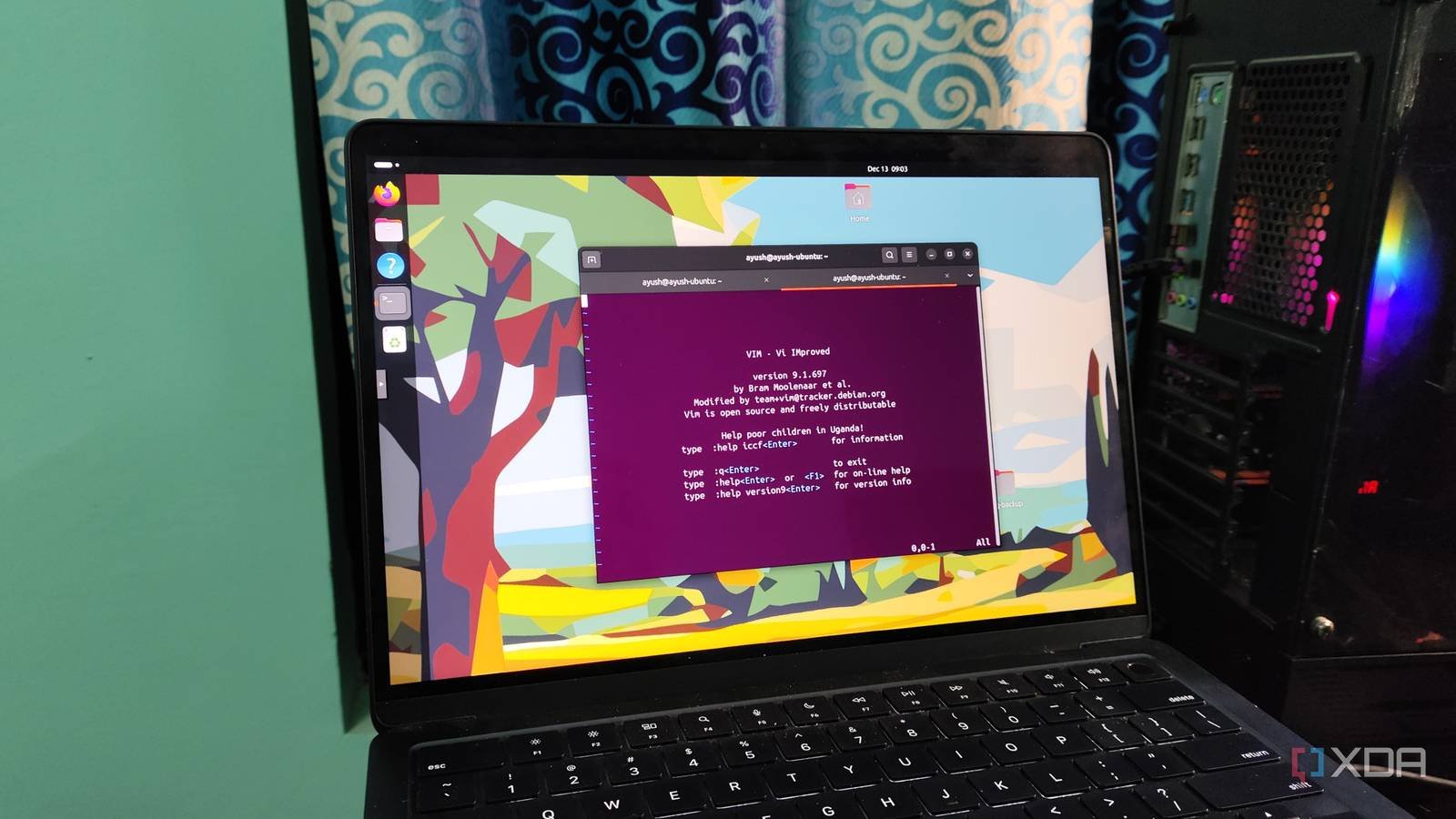
Vim 9.2 marks a significant step forward for the legendary text editor, introducing experimental support for Wayland alongside several workflow enhancements. This release positions Vim to better integrate with modern Linux environments while refining core editing functionality.
The headline feature is Vim's new Wayland GUI backend, which includes both UI rendering and clipboard support. While currently labeled experimental, this implementation represents a full commitment to the next-generation display server protocol. For Linux users transitioning from X11, this means Vim can now operate natively in Wayland environments without XWayland compatibility layers, potentially improving performance and reducing dependency conflicts.
Complementing the Wayland support is adoption of the XDG Base Directory Specification. Vim now defaults to storing user configuration in $HOME/.config/vim instead of the traditional ~/.vim directory. This change aligns Vim with modern Linux configuration standards, simplifying system maintenance and enabling cleaner dotfile management. The update maintains backward compatibility by checking the legacy location if the new directory doesn't exist.
Beyond platform modernization, Vim 9.2 enhances daily editing workflows:
Intelligent Completion Upgrades: Inter-mode completion now defaults to fuzzy matching, eliminating the need for third-party plugins to achieve this functionality. New
completeoptflags likenosortandnearestprovide granular control over suggestion ordering and selection behavior.Interface Refinements: The update introduces a vertical tabpage line for clearer navigation between buffers, improved dark mode support on Windows, native fullscreen capabilities, and redesigned toolbar icons. These visual improvements modernize Vim's appearance without compromising its keyboard-centric philosophy.
Learning Resources: A new
:Tutorcommand launches an interactive guide directly within Vim, lowering the barrier to entry for new users while serving as a quick reference for veterans.
The Wayland implementation will undergo extended testing before being marked stable, reflecting Vim's commitment to reliability. This cautious approach ensures compatibility across diverse desktop environments like GNOME, KDE Plasma, and Sway that utilize Wayland.
For developers and system administrators, these changes signal Vim's ongoing evolution. The editor maintains its terminal-centric roots while adapting to contemporary standards, ensuring it remains relevant in an ecosystem increasingly dominated by Wayland-based systems. The configuration changes particularly benefit users managing multiple machines through version-controlled dotfiles.
Vim 9.2 is available now from the official Vim repository and through major package managers. Users can activate Wayland support by launching with vim -guiwayland.
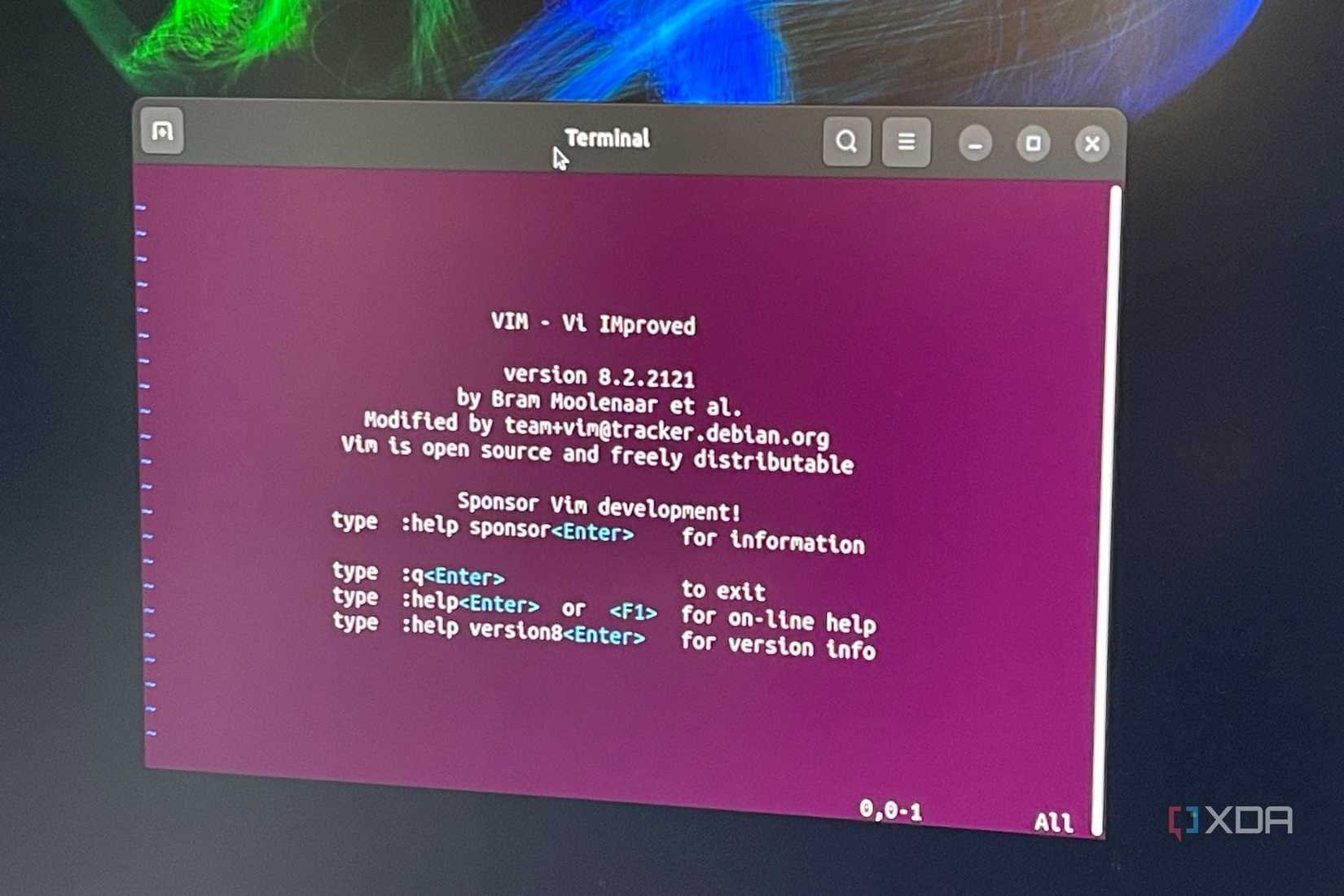
This update demonstrates how established tools can embrace modern infrastructure without compromising core functionality. As Wayland adoption grows across Linux distributions, Vim's proactive integration ensures users won't face editor limitations during their display server transition.
Comments
Please log in or register to join the discussion