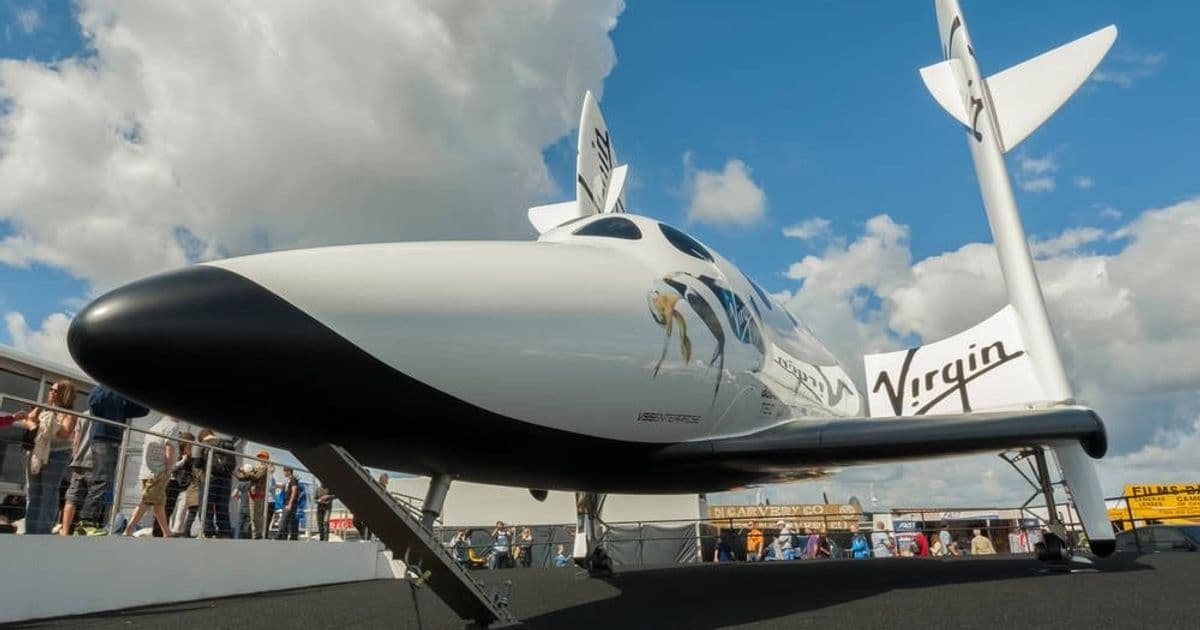
Virgin Galactic reopens ticket sales at $750,000 per seat as the company races to resume commercial flights in Q4 2026 before running out of cash, highlighting the precarious economics of space tourism.
Virgin Galactic has reopened suborbital ticket sales with a significant price increase, now charging $750,000 per seat for a ride aboard its spacecraft. This marks a substantial jump from the $600,000 price point in 2023 and the $450,000 base price following Sir Richard Branson's test flight in August 2021. The company is positioning these flights as the ultimate luxury experience, but the economics behind space tourism remain challenging.
The Price of Space Tourism
The price hike reflects both the exclusivity of the experience and the company's urgent need for revenue. Virgin Galactic plans to sell only 50 tickets at this premium price, with the expectation that subsequent batches will command even higher prices. This tiered pricing strategy aims to maximize revenue from early adopters while building momentum for the broader commercial launch.
To put this in perspective, the original vision in 2004 was to offer suborbital flights for a mere $100,000 per seat. The reality of space tourism has proven far more expensive than Branson initially envisioned. The company currently has approximately 650 "future astronauts" who have already purchased tickets at various price points, creating a substantial backlog of customers eager to experience weightlessness and see Earth from the edge of space.
A Race Against Time
Virgin Galactic's financial situation adds urgency to its plans. As of December 31, 2025, the company had $338 million in cash reserves, down from $1 billion in previous years. The net loss for 2025 was $279 million, showing some improvement from $347 million in 2024, but still highlighting the unsustainable nature of the current business model.
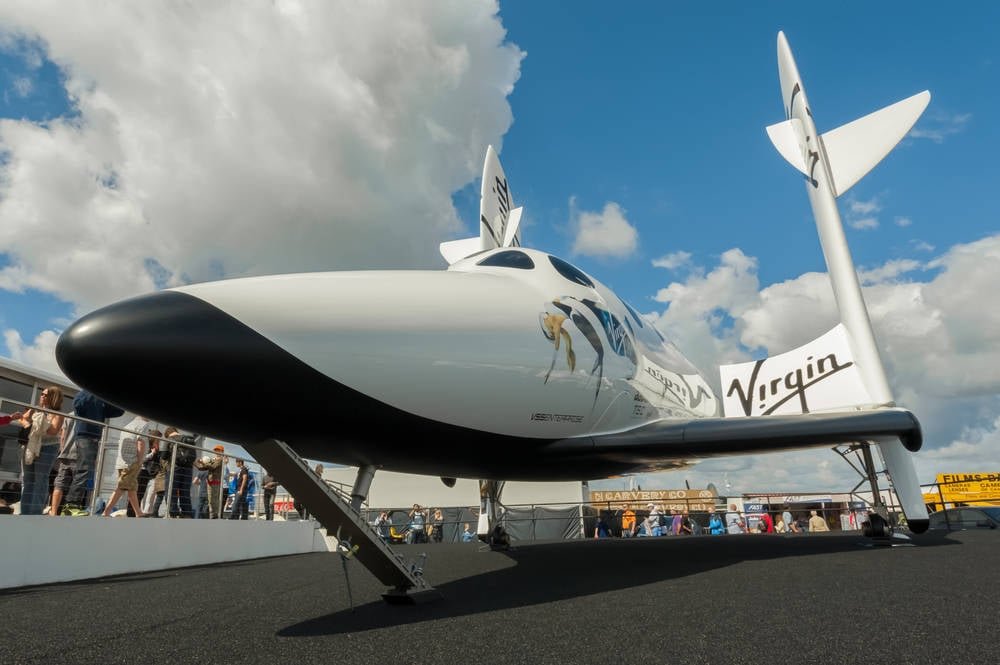
The company's SpaceShip VSS Unity completed its final flight in 2024, with commercial operations on hold until the new Delta Class ships enter service. The flight-test phase for the first new SpaceShip is scheduled for Q3 2026, with commercial operations planned for Q4 2026. This timeline is critical - Virgin Galactic warned in its 10-K filing that it might struggle to remain a going concern without generating revenue from commercial flights.
The Technical Path Forward
Virgin Galactic's CEO Michael Colglazier outlined the company's technical roadmap during an earnings call. Pilots will begin flying the original SpaceShip VSS Unity on a series of glide flights over Spaceport America in May 2026. These flights will serve as training and preparation for the new vehicle's test program, which will include both glide and rocket-powered test flights before entering commercial service.
The company's launch aircraft, Eve, is also undergoing improvements to support 12-15 space flights per month. With an expected service life extending to 2032 or beyond, Eve represents a significant asset in Virgin Galactic's operational capacity. New launch vehicles are expected to be deployed starting in 2030, suggesting a long-term vision for scaling operations.
The Business Reality
Despite management's optimistic projections, Virgin Galactic faces a precarious financial situation. The company needs to generate revenue from commercial flights quickly, and the forecast demand must materialize before its cash reserves are depleted. CFO Doug Ahrens noted that the company's assessment of its going concern status did not include future cash flow from space flights or the $138 million remaining in its At The Market (ATM) stock program.
The economics of space tourism remain challenging. Unlike traditional airlines that can amortize costs across hundreds of passengers per flight, Virgin Galactic's spacecraft carry only a handful of passengers on each suborbital journey. The high fixed costs of spacecraft development, maintenance, and operations must be recovered from a relatively small number of flights, driving up the per-seat price.
The Broader Context
Virgin Galactic's struggles reflect the broader challenges facing the space tourism industry. While companies like Blue Origin and SpaceX have also entered this market, the economics of taking private citizens to space remain daunting. The high costs, technical complexity, and limited market size create a challenging business environment.
Branson's decision in 2023 to stop pouring additional cash into the enterprise signaled a recognition of these challenges. The company must now prove that there is sufficient demand at these premium price points to sustain operations and eventually achieve profitability.
As 2026 and 2027 approach, Virgin Galactic finds itself at a critical juncture. The successful resumption of commercial flights, the realization of projected demand, and the effective management of costs will determine whether the company can transition from a high-profile startup to a sustainable business in the emerging space tourism market.
Comments
Please log in or register to join the discussion