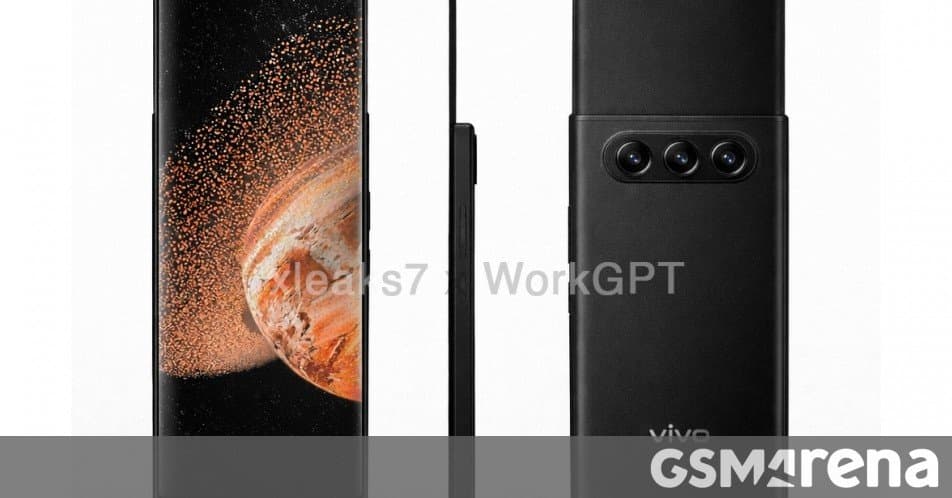
vivo has patented a vertically rollable smartphone concept that extends the screen upward rather than sideways, raising questions about practical use cases for this unconventional design.
vivo has patented a vertically rollable smartphone concept that extends the screen upward rather than sideways, raising questions about practical use cases for this unconventional design.
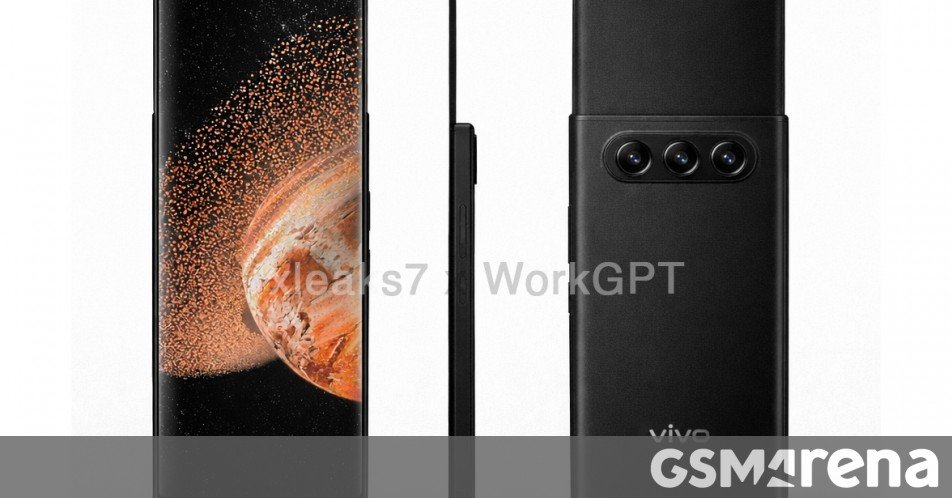
While rollable smartphone concepts have circulated for years, we've yet to see a commercial product using this technology. Rollable-screen laptops exist, but smartphones have remained stuck with traditional folding and sliding mechanisms. vivo's latest patent takes a different approach - instead of rolling the display out from the side to make the phone wider, it rolls upward to make the device taller.
The concept, detailed in vivo's patent application, shows a smartphone that transforms from a standard form factor into a taller device by extending the screen vertically. This design choice is particularly interesting because it goes against the grain of current smartphone trends, where manufacturers have been maximizing screen real estate by making devices taller and narrower.
However, the practical applications of such a design remain unclear. Modern smartphones already feature tall aspect ratio displays, typically around 20:9 or similar, which have been optimized for one-handed use and content consumption. Most apps and interfaces are designed with these proportions in mind, making the benefits of an even taller display questionable.
This vertical rolling mechanism could potentially offer benefits for specific use cases - perhaps reading long-form content, viewing extended timelines, or providing additional workspace for certain applications. Yet these scenarios don't seem compelling enough to justify the complexity and potential durability concerns that come with any rollable display technology.
It's worth noting that this is merely a patent application at this stage. Companies routinely file patents for concepts they never intend to commercialize, using them either as defensive intellectual property or as exploration of technological possibilities. The smartphone industry sees hundreds of patents filed annually, many of which never progress beyond the conceptual phase.
The vertical rollable design raises interesting questions about the future of smartphone form factors. As manufacturers push the boundaries of what's possible with flexible displays, we're seeing increasingly creative approaches to maximizing screen space without increasing device footprint. However, each new concept must balance innovation with practicality, durability, and user experience.
For now, this patent represents another data point in the ongoing exploration of alternative smartphone designs. Whether it ever materializes into an actual product remains to be seen, but it demonstrates vivo's continued investment in exploring novel display technologies and form factors.

The smartphone industry continues to evolve, with manufacturers experimenting with various approaches to overcome the limitations of traditional slab designs. While rollable displays offer intriguing possibilities, the path to mainstream adoption remains challenging due to concerns about durability, cost, and practical utility.
As we've seen with other experimental designs like pop-up cameras, slider mechanisms, and various folding configurations, not every innovative concept finds its way to market. The success of any new form factor ultimately depends on whether it solves real problems for users in a way that justifies any compromises in durability, cost, or usability.
For enthusiasts and industry watchers, patents like this provide fascinating glimpses into potential future directions for mobile technology, even if most never progress beyond the drawing board.
Comments
Please log in or register to join the discussion