vivo emerged as India's top smartphone brand in 2025, capturing 21% of the market with 32.1 million shipments. While the overall market contracted slightly, vivo grew 19% year-over-year, outpacing Apple's 28% growth and leaving Samsung and Xiaomi with significant declines. The shift highlights changing consumer priorities and the intense competition in one of the world's largest mobile markets.
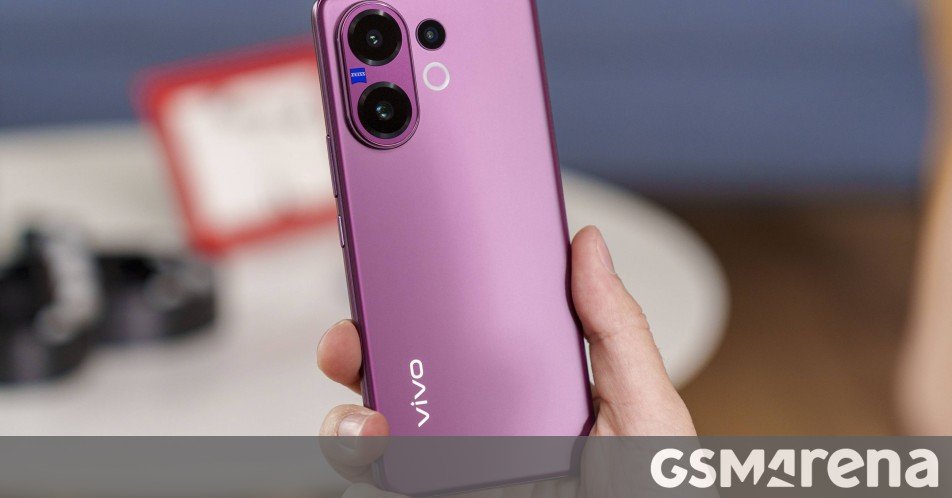
vivo has officially claimed the top spot in India's smartphone market for 2025, according to new data from Omdia. The brand shipped 32.1 million units, securing a 21% market share and posting a robust 19% year-over-year growth. This performance placed it ahead of Samsung, which held 15% of the market with 23 million shipments, but saw its shipments fall 11% compared to 2024.
The Indian smartphone market overall saw a slight contraction in 2025, with total shipments reaching 154.2 million units—a 1% decrease from 2024. This dip occurred despite intense competition and a flurry of new launches, suggesting a market that is reaching a degree of saturation. Consumers are increasingly holding onto devices longer, and the incremental upgrades offered by many mid-range phones are not compelling enough to trigger widespread upgrades.
The Competitive Landscape in Detail
Beyond vivo and Samsung, the market dynamics reveal a story of divergent strategies and outcomes:
Oppo secured the third position with 13% market share (20 million shipments) and a healthy 10% growth. Its success was driven by the A-series, which consistently delivers value in the competitive mid-range segment. Notably, Oppo's K-series is gaining traction, with a larger share of its volume shifting into mainline retail channels, indicating a strategic push to strengthen its retail presence.
Xiaomi, once a dominant force in India, faced a challenging year. It also held 13% of the market (19.7 million shipments) but saw a significant 26% decline in shipments. Its best sellers, the Redmi 14C 5G and Poco C75, are firmly in the budget segment, but the brand's overall strategy appears to be under pressure as competition intensifies across all price bands.
Apple continued its steady climb, capturing 10% of the market with 15.1 million shipments. This represents a remarkable 28% year-over-year growth, the highest among the top five brands. Apple's growth is fueled by its aspirational appeal and the success of its iPhone lineup, particularly the latest models. The brand's strategy of maintaining premium pricing while offering a complete ecosystem continues to resonate with a growing segment of Indian consumers.
Q4 2025: A Strong Finish for vivo
The momentum carried into the fourth quarter, where vivo solidified its lead. It shipped 7.9 million units, capturing a 23% market share and growing 16% compared to Q4 2024. Samsung shipped 4.9 million units (14% share), Oppo shipped 4.6 million (13%), Xiaomi shipped 4.2 million (12%), and Apple shipped 3.9 million (11%).
vivo's Q4 success was anchored by specific models that hit the right notes with Indian consumers: the Y31 5G, Y19s 5G, T4x 5G, and the V60e. These devices span the budget and mid-range segments, offering features like 5G connectivity, large batteries, and capable cameras at accessible price points. This product mix demonstrates vivo's deep understanding of the Indian market, where value-for-money is a critical purchasing factor.
Ecosystem and Market Context
vivo's rise is not happening in a vacuum. It reflects broader trends in the Indian mobile ecosystem:
The 5G Transition: India is in the midst of a rapid 5G rollout. Brands that have aggressively priced 5G devices, like vivo with its Y and T series, are capturing the wave of first-time 5G adopters. The availability of affordable 5G smartphones is a key driver for market growth.
Retail Channel Strength: vivo has invested heavily in its offline retail network across India. This physical presence is crucial for reaching consumers in Tier 2 and Tier 3 cities, where online penetration is lower. The ability to touch, feel, and get immediate support for a device is a significant advantage.
Brand Perception and Marketing: vivo has consistently marketed itself as a brand for the youth, focusing on camera capabilities (especially for selfies) and design. Its association with cricket and other popular cultural events keeps the brand top-of-mind.
Supply Chain and Local Manufacturing: Like other major players, vivo benefits from local assembly under the Indian government's Production Linked Incentive (PLI) scheme. This helps control costs and avoid import duties, allowing for more competitive pricing.
Looking Ahead: A Cautious Outlook for 2026
Omdia analysts project a challenging year ahead for the Indian smartphone market. They expect shipments to decline by mid-single digits (around 5%) in 2026. The primary reasons cited are higher average selling prices and "incremental value delay upgrades." In essence, consumers are finding less reason to upgrade their current phones, as new models offer only marginal improvements over their predecessors.
This forecast puts pressure on all brands, including vivo. Maintaining its top position will require not just defending its current market share but also innovating in ways that genuinely compel consumers to upgrade. The focus will likely shift from pure volume growth to value growth—selling more premium devices or creating a stronger ecosystem lock-in.
For brands like Samsung and Xiaomi, the challenge is to reverse declining trends. Samsung, with its strong brand equity and diverse portfolio, has the resources to fight back. Xiaomi, on the other hand, may need to rethink its strategy to move beyond the budget segment and regain momentum.
Apple, with its 28% growth, is clearly on a positive trajectory. Its challenge will be to scale further without diluting its premium brand identity. The company's ongoing efforts to localize manufacturing and expand its retail footprint in India will be critical to its continued success.
Conclusion
vivo's ascent to the top of the Indian smartphone market in 2025 is a testament to its focused strategy, understanding of local consumer needs, and strong execution. However, the market's overall contraction and the projected decline in 2026 signal a new phase of competition. The battle will no longer be just about who can sell the most phones, but who can create the most compelling reasons for consumers to invest in a new device. In this environment, ecosystem integration, after-sales service, and genuine technological innovation will become increasingly important differentiators.
Source: Omdia Smartphone Market Data
Comments
Please log in or register to join the discussion