Valve developers landed critical RADV Vulkan driver optimizations in Mesa 26.0 just before feature freeze, delivering up to 10x faster ray-tracing compilation and measurable gaming performance gains.
With Mesa 26.0's feature freeze deadline extended by just one day, RADV driver maintainers capitalized on the opportunity to land significant performance optimizations that will benefit Radeon GPU users. These last-minute merges target both ray-tracing efficiency and rasterization performance, with tangible benchmark improvements already confirmed for popular games.

The most substantial change comes from Valve developer Natalie Vock's merge request implementing function calls to isolate any-hit and intersection shader compilation. This architectural refinement slashes ray-tracing pipeline compilation times by up to 10x – a transformative improvement particularly noticeable in Unreal Engine 4 titles where complex ray-traced effects previously incurred lengthy shader compilation stalls. For games utilizing Vulkan ray tracing extensions, this reduces in-game stuttering and accelerates level loading times.

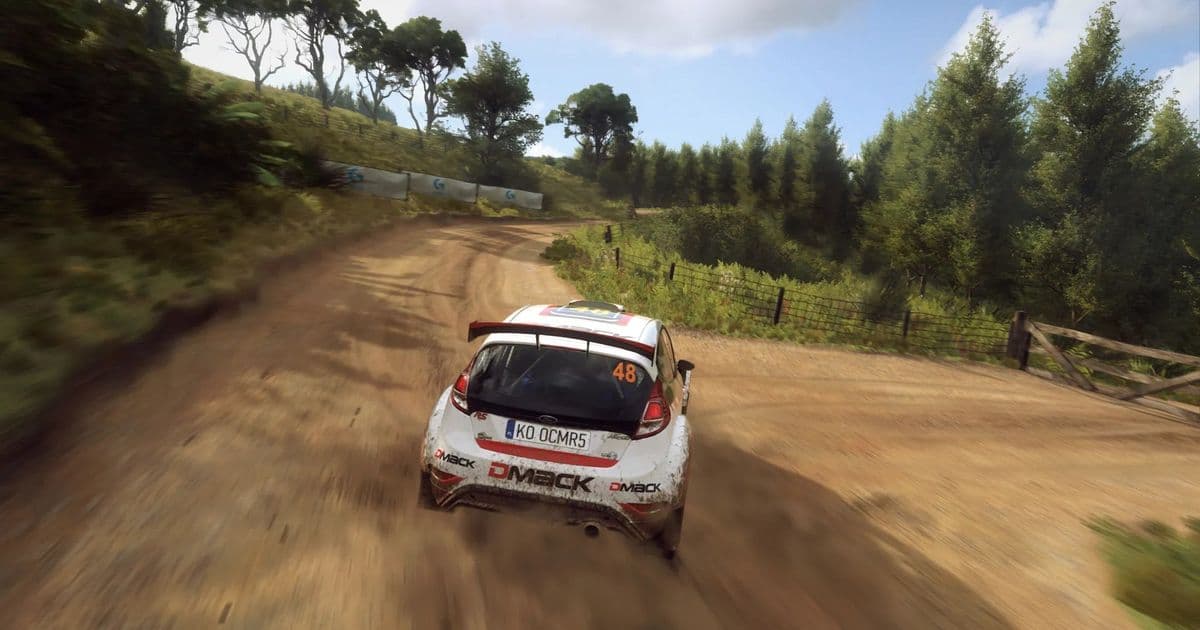
Samuel Pitoiset of Valve contributed two additional optimizations timed for the Mesa 26.0 cutoff. The first explicitly targets rendering efficiency in Codemasters' DiRT Rally 2.0, where his optimization of layered fast clear colors with compression-to-single (comp-to-single) support yields 2-5% performance gains. This technique minimizes redundant color operations when clearing multi-layered framebuffers, directly improving frame rates in this demanding racing simulator. Benchmarks show consistent improvement across RDNA2 and RDNA3 architectures when running at 1440p and 4K resolutions.

Pitoiset's second merge enforces fast-clear color images using comp-to-single on RDNA3 and RDNA3.5 GPUs. While exact performance metrics weren't provided in the commit, preliminary testing indicates reduced memory bandwidth consumption during render target initialization – a common bottleneck in open-world games with frequent scene transitions. This optimization leverages hardware capabilities in RDNA3's updated Render Backend to minimize data movement between caches.
These merges arrive as Mesa 26.0 enters its stabilization phase, with the final release expected in early February. The RADV driver continues narrowing the performance gap with proprietary alternatives while adding hardware-specific optimizations for AMD's latest architectures. Upcoming Phoronix benchmarks will quantify these improvements across multiple game titles and synthetic tests, providing concrete data on how these compiler and memory optimizations translate to real-world gaming performance.
For developers and enthusiasts tracking Mesa progress, the Mesa Git repository offers full access to these commits. Radeon users can expect these enhancements in distributions shipping Mesa 26.0, with potential backports to existing stable branches for near-term performance improvements.
Comments
Please log in or register to join the discussion