
TCL unveils its first AMOLED-based NxtPaper display, combining paper-like reading comfort with vibrant digital performance through advanced eye-comfort technologies and superior color accuracy.
At Mobile World Congress 2026, TCL CSOT revealed a significant advancement in display technology with the world's first AMOLED-based NxtPaper display. This innovative panel represents a major milestone in the company's ongoing mission to bridge the gap between the natural comfort of reading paper and the dynamic capabilities of digital displays. By leveraging AMOLED technology while incorporating proprietary eye-comfort innovations, TCL aims to solve the persistent challenge of digital eye strain without sacrificing visual quality.
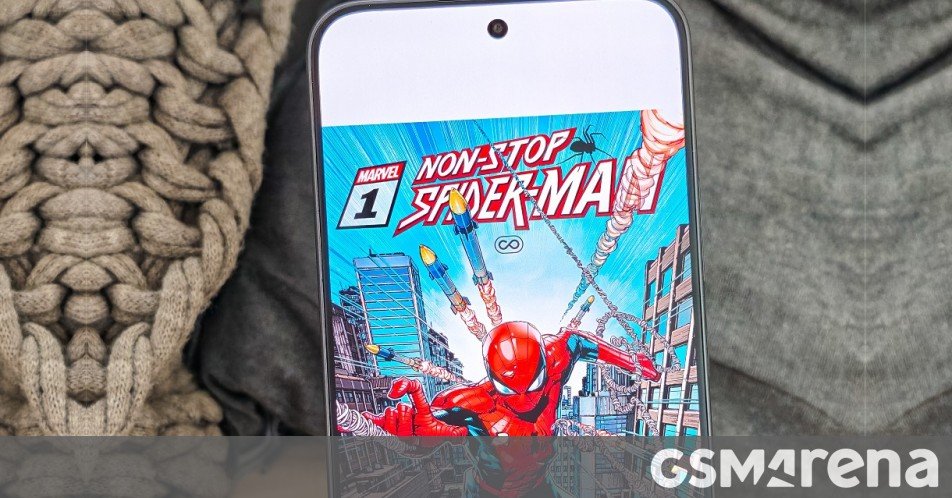
The new display builds upon TCL's previous NxtPaper technology, which was based on LCD panels. This AMOLED version introduces several breakthroughs that address fundamental issues that make digital displays feel artificial and cause eye fatigue. A key advancement is the upgraded Circular Polarizer Light (CPL) technology, which achieves an impressive polarization rate of 90%, a substantial improvement from the 57% rate of the previous generation. This higher polarization significantly reduces glare and creates a more natural viewing experience that closely resembles reading physical paper.
TCL CSOT applied nano-matrix lithography technology to the AMOLED NxtPaper display to dramatically minimize ambient light reflections and glare. Reflected light has long been a major contributor to eye fatigue during extended screen use. By addressing this fundamental issue, the display maintains readability even in bright environments without requiring excessive brightness levels that can further strain eyes.
The display incorporates intelligent adaptive features that respond to both environmental conditions and human biology. Throughout the day, it automatically adjusts its brightness and color temperature to align with the user's circadian rhythm and ambient lighting conditions. This dynamic adaptation helps maintain visual comfort across different times of day and lighting environments. The blue light filtering has been improved by 15% compared to the previous generation, reducing the total blue light emission to just 2.9%. For late-night reading sessions, the display can reduce its brightness all the way down to 1 nit, providing a gentle viewing experience that minimizes disruption to sleep patterns.

Beyond its eye-comfort features, the new NxtPaper panel delivers impressive performance characteristics expected from modern AMOLED displays. It covers 100% of the DCI-P3 color space with exceptional color accuracy (deltaE < 1), ensuring that photos and videos appear vibrant and true-to-life. The display can achieve a peak brightness of 3,200 nits for excellent outdoor visibility, though its lower reflectivity means it rarely needs to operate at maximum brightness in typical use cases.
For users who demand smooth performance, the panel supports a 120Hz refresh rate, enabling fluid scrolling and responsive interaction in games and other high-frame-rate applications. This combination of high refresh rate with eye-comfort technology addresses the common compromise between performance and visual comfort.
The Adaptive Reading Experience feature further enhances the display's text-reading capabilities by automatically tweaking the background color based on ambient light conditions. This optimization creates an optimal contrast ratio for text readability in any environment, reducing the need for manual adjustments and ensuring consistent comfort across different scenarios.
From an ecosystem perspective, this display technology represents an important evolution in the ongoing quest to make digital consumption more comfortable and sustainable. As screen time continues to increase across all aspects of life, technologies that reduce eye strain without compromising performance will become increasingly valuable. The AMOLED NxtPaper display positions TCL as a serious contender in the premium display market, challenging established players who have traditionally dominated the high-end smartphone display space.
The first devices featuring this innovative display technology are expected to arrive later in 2026, with a smartphone serving as the initial platform. This strategic choice makes sense, as smartphones are the primary screens for most users and where eye comfort during extended reading sessions would provide the most immediate benefit. As display technology continues to evolve, we can expect to see more devices adopting similar approaches that balance visual quality with human factors.
For consumers, the AMOLED NxtPaper display offers a compelling proposition: the best of both worlds. It delivers the eye-friendly, paper-like reading experience that many have sought in e-readers while maintaining the color vibrancy, contrast, and responsiveness expected from flagship smartphones. This technological advancement could significantly impact how we interact with digital content, particularly for those who spend substantial time reading text on their devices.
Comments
Please log in or register to join the discussion