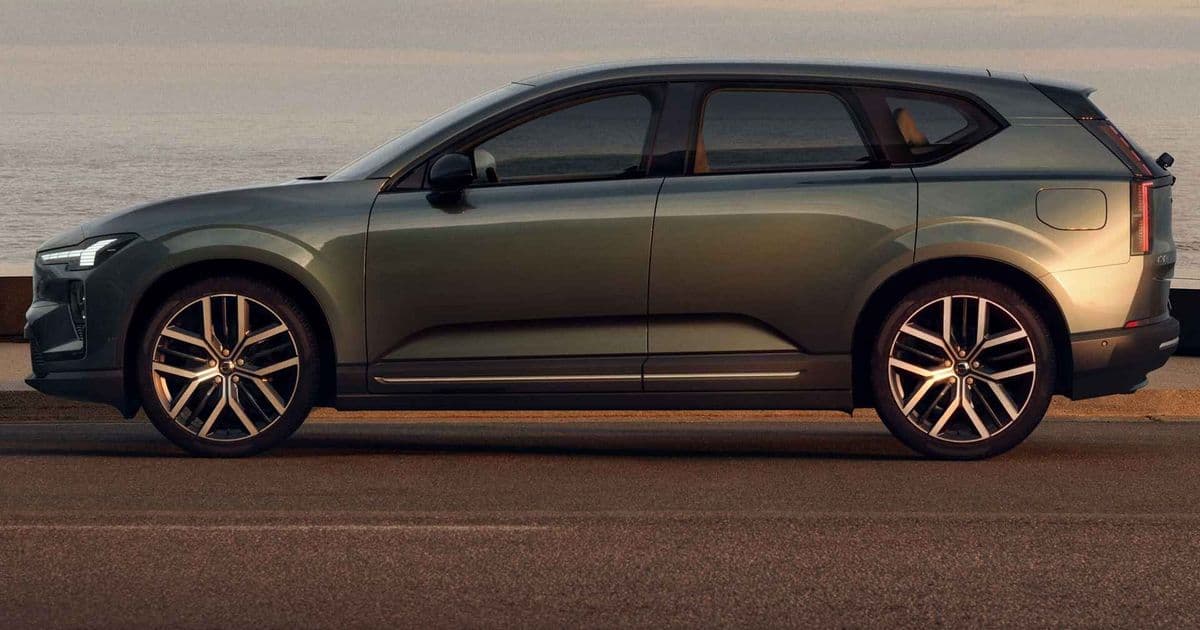
Automotive analyst Matthias Schmidt argues that Volvo's new EX60 electric SUV embodies the design philosophy and software-first approach that Apple fans expected from the canceled 'Project Titan' car.
When Apple officially canceled its long-rumored electric vehicle project in February 2024, many wondered what the mythical "iCar" might have looked like. According to Matthias Schmidt of Schmidt Automotive Research, we may already have the answer sitting in Volvo showrooms.
In his latest analysis, Schmidt makes a compelling case that the Volvo EX60 isn't just another electric SUV—it's the spiritual successor to what Apple fans had hoped for from Project Titan.
Scandinavian Minimalism Meets Silicon Valley Thinking
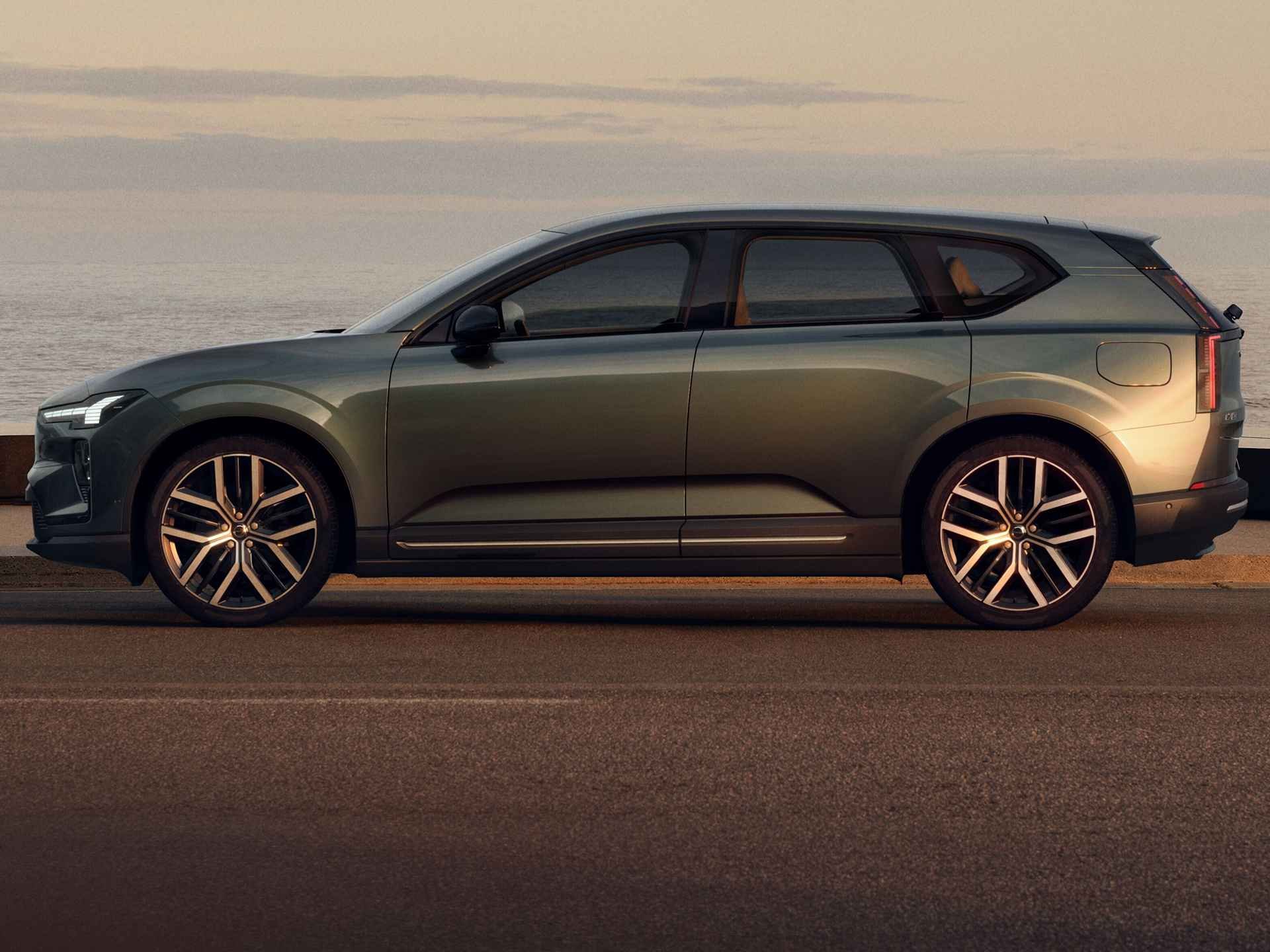
The EX60's design philosophy immediately evokes Apple's aesthetic: clean lines, functional minimalism, and that distinctly Scandinavian coolness. But Schmidt argues the real magic happens beneath the surface.
"Volvo isn't just following a trend here," Schmidt writes. "It's consistently building the EX60 as a 'software-defined vehicle.'"
This approach mirrors how Apple treats its devices. Like a smartphone OS that matures over years through updates, the EX60 is designed to improve while sitting in your garage. The electric SUV constantly collects data—not for its own sake, but to learn and adapt.
The Safety Revolution That Apple Promised
What particularly excites Schmidt is how Volvo leverages real-world driving data to enhance safety systems. The algorithms become smarter over time, with updates delivered in real-time—exactly the kind of adaptive intelligence that observers had hoped for from an Apple Car.
This combination of hardware safety and adaptive software was the core promise that many expected from Apple's automotive ambitions.
The Tech Stack Behind the Magic
Technically, this is made possible by Volvo's new SPA3 platform, combined with the "Superset" tech stack. This allows for "progressive performance enhancement" over time—meaning Volvo no longer has to statically define all functions at market launch.
Instead, performance is gradually increased and new features introduced only when real-world data demonstrates that customers won't experience disadvantages or security risks. This approach of fully exploiting hardware potential through maturing software has been Apple's trademark for many years.
A Nostalgic Connection
Schmidt's analysis takes an almost nostalgic turn when he recalls that while Steve Jobs was often seen later in his famous silver Mercedes SL without license plates, the young Apple founder can be seen driving a Volvo station wagon in the 2013 film "Jobs."
"If he were still alive," Schmidt writes, "one could easily imagine him sitting behind the wheel of an EX60 today."
The Verdict
For Schmidt, this isn't just about one car—it's about Volvo taking on the role that was originally intended for Apple in the automotive space. The brand isn't just alive; it's technologically advanced and positioned to lead the next generation of intelligent vehicles.
As Schmidt puts it, the EX60 possesses exactly the DNA one would have expected from Apple: minimalist design, functional excellence, and software that evolves over time. In canceling Project Titan, Apple may have inadvertently handed the keys to Volvo.
Comments
Please log in or register to join the discussion