
NPR's year-long tracking of 114 Walmart items reveals a 5% average price increase, driven by tariffs and climate disruptions, while eggs and dairy see relief.
Greg Reyes navigates the aisles of his local Walmart south of Savannah with practiced efficiency. For this disabled Georgian and his retired wife, the retailer's low prices are essential. Yet their grocery ritual now carries new financial strain. 'I used to pay like $40 a year ago, and now we're paying $60,' Reyes explains, citing chicken and beef as culprits. Luxuries like ice cream have vanished from their cart entirely. His experience reflects a national pattern: While inflation cooled to 2.7% in December, NPR's longitudinal study of identical Walmart products reveals deeper pressures reshaping household budgets.
Tracking the Basket
Since 2018, NPR has monitored price fluctuations for 114 staple items at a Georgia Walmart superstore—America's largest retailer and a bellwether for consumer affordability. The December 2025 audit showed:
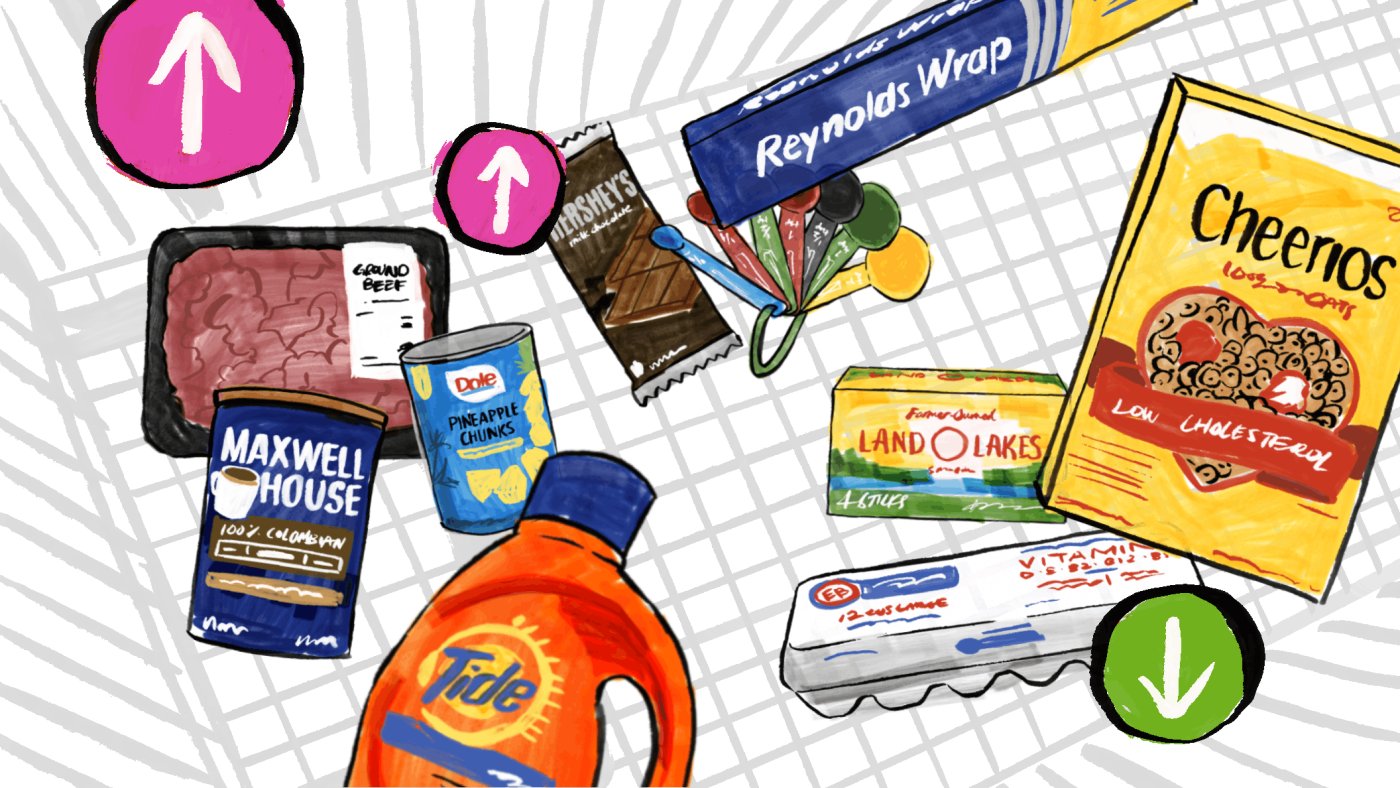
- 46% of items increased (e.g., shrimp +25%, Coca-Cola +8%)
- 23% decreased (eggs -30%, butter -16%)
- 31% remained stable after years of volatility Overall, NPR's basket rose 5% year-over-year, outpacing broader inflation metrics. This divergence highlights how global disruptions cascade through specific product categories.
Tariffs Take Toll
Trade policies visibly influenced shelves. Items from tariff-burdened nations showed sharp spikes:
- Walmart paper folders (China): +46%
- Swai fish fillets (Vietnam): +34%
- Farberware measuring spoons (China): +19%
Reynolds Wrap explicitly cited 'historic cost increases driven by tariffs' for their 13% aluminum foil hike, referencing 50% duties on Canadian aluminum. Dole's canned pineapple rose 25% amid Southeast Asian tariffs and crop shortages. Though Walmart claimed mitigation efforts, tariff impacts persisted despite White House policy shifts.
Climate Pressures Essentials
Agricultural volatility hit repeat offenders hard:
- Maxwell House coffee: +46% (Colombian grounds)
- Hershey's chocolate: +26%
- Ground beef: +30%
Kraft Heinz and Hershey cited unprecedented raw material costs from climate-driven shortages. Coffee harvests faltered under erratic rainfall, while West African cacao farms grappled with droughts and disease. Walmart now promotes beef-pork blends as affordable alternatives.
Shrinkflation's Stealth Impact
Manufacturers continued subtly reducing package sizes:
- Tide detergent shrunk to 80oz from 100oz pre-pandemic
- Procter & Gamble called it 'efficiency' via formula upgrades
- Dove soap maintained years of gradual size reductions
Relief Valves Emerge
Positive signals emerged in key areas:
- Egg prices plunged 30% post-bird-flu shortage
- Dairy gluts dropped butter costs 16%
- PepsiCo and General Mills discounted brands like Cheerios (-19%)
Walmart amplified discounts, offering 13,000 'rollbacks' in 2025—2,000 becoming permanent cuts—as affordability became consumers' top concern. This recalibration reflects a fragile equilibrium: Systemic pressures keep pushing costs upward, while retailers and brands scramble to retain exhausted shoppers.
Comments
Please log in or register to join the discussion