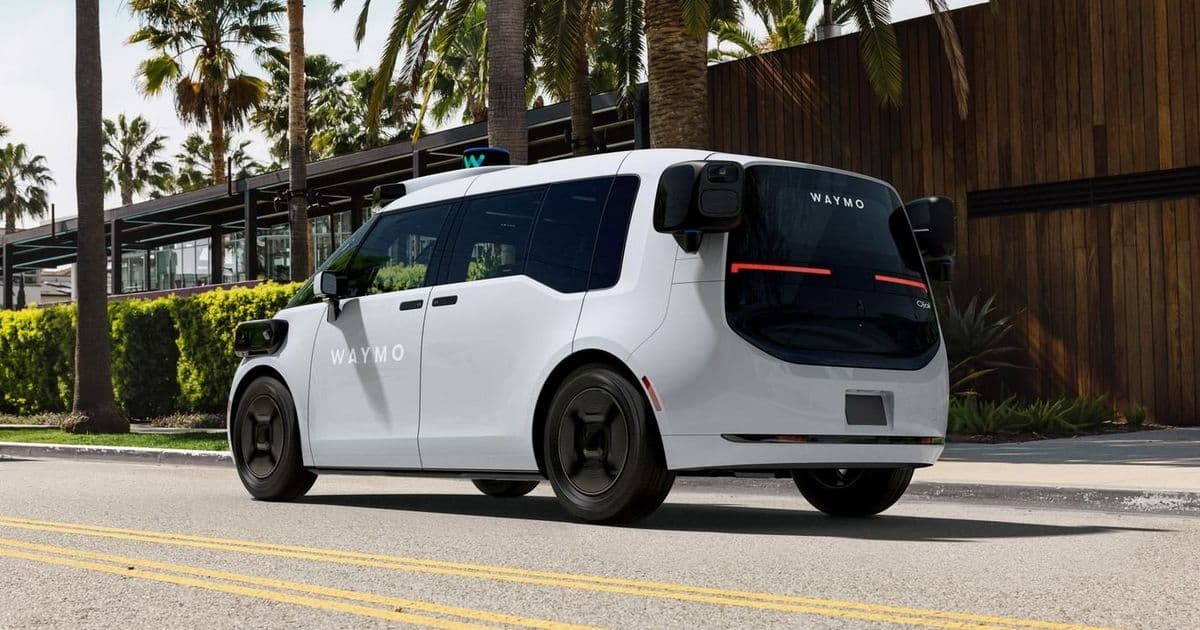
Alphabet's Waymo has expanded its autonomous vehicle service to 10 cities, marking a significant milestone in the robotaxi industry as competition intensifies.
Waymo, the self-driving car subsidiary of Alphabet, has expanded its autonomous vehicle service to 10 cities across the United States, marking a significant milestone in the robotaxi industry. The expansion comes as competition in the autonomous vehicle space intensifies, with companies racing to deploy their fleets in major metropolitan areas.
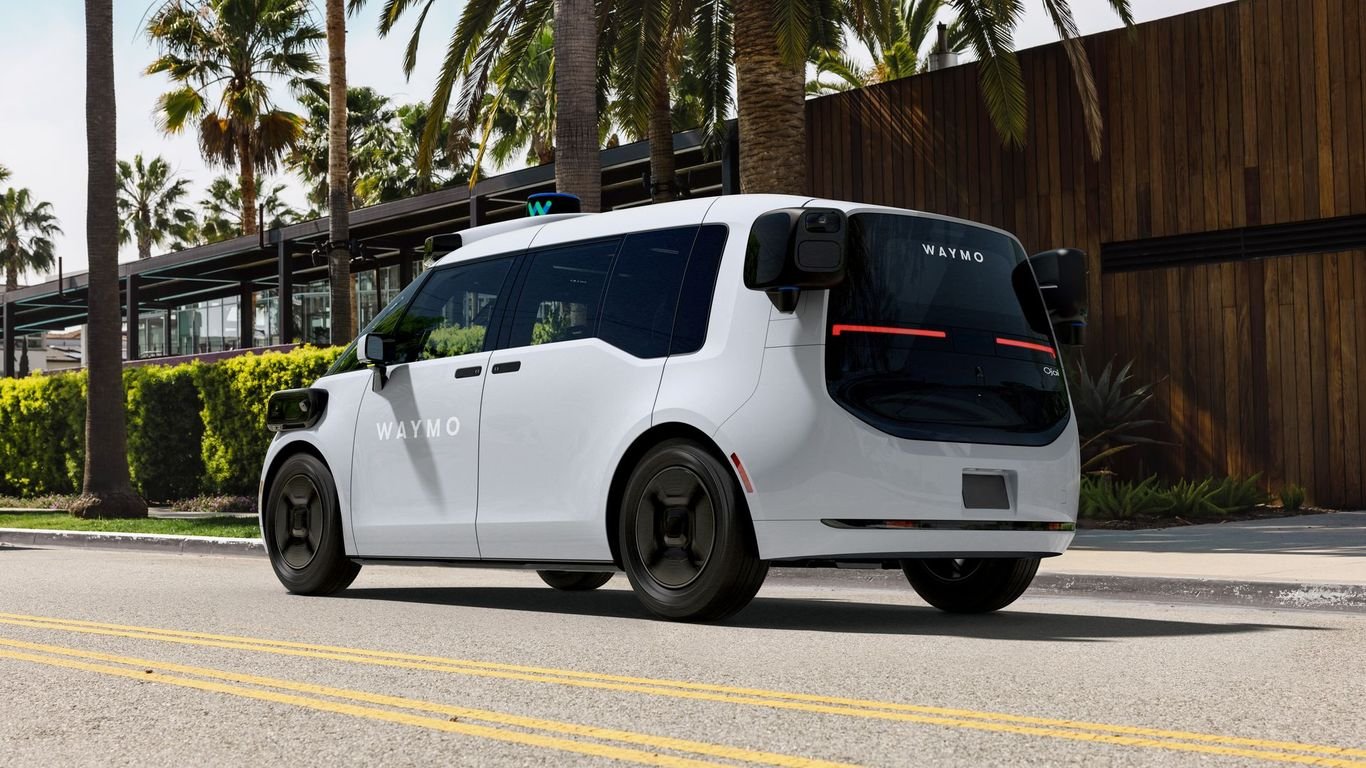
The company's robotaxi service, which began in Phoenix, Arizona, has gradually expanded to include cities such as San Francisco, Los Angeles, and Austin. The latest additions to Waymo's service area include Miami, Atlanta, and Washington D.C., bringing the total number of cities with Waymo robotaxi service to 10.
Waymo's expansion strategy has been methodical, focusing on cities with favorable regulatory environments and well-mapped road networks. The company has invested heavily in mapping and data collection, creating detailed 3D maps of each city's streets, traffic patterns, and potential obstacles.
"Our expansion to 10 cities represents years of work and millions of miles of testing," said a Waymo spokesperson. "We're excited to bring our safe, autonomous transportation service to more people across the country."
The robotaxi market has become increasingly competitive, with companies like Cruise (owned by General Motors), Tesla, and various Chinese firms like Baidu and Didi all vying for market share. Waymo's expansion puts pressure on these competitors to accelerate their own deployment plans.
Financially, the robotaxi industry represents a massive potential market. According to estimates from McKinsey & Company, the global autonomous vehicle market could reach $1.5 trillion by 2030, with robotaxis accounting for a significant portion of that value. Waymo's parent company, Alphabet, has invested billions in the technology, viewing it as a potential major revenue stream beyond its core advertising business.
The expansion to 10 cities also represents a significant operational challenge. Each new city requires extensive testing, regulatory approval, and the deployment of local support teams. Waymo has had to navigate different regulatory environments in each state, working with local governments to ensure compliance with varying autonomous vehicle laws.
Safety remains a paramount concern for autonomous vehicle companies. Waymo reports that its vehicles have driven over 20 million miles on public roads and billions of miles in simulation. The company maintains that its technology is safer than human drivers, citing lower accident rates in its operational areas.
However, the industry still faces skepticism from some quarters. Incidents involving autonomous vehicles, while relatively rare, have drawn significant media attention and regulatory scrutiny. Waymo and its competitors continue to work on improving their technology and building public trust.
The expansion to 10 cities also has implications for employment and urban transportation. While robotaxis could potentially reduce the need for human drivers, they also create new jobs in fleet management, vehicle maintenance, and customer service. Cities are grappling with how to integrate autonomous vehicles into their existing transportation infrastructure.
Looking ahead, Waymo's expansion sets the stage for further growth in the robotaxi industry. The company has indicated that it plans to continue expanding to additional cities, though it has not announced specific targets. As the technology matures and public acceptance grows, autonomous vehicles could fundamentally reshape urban transportation in the coming years.
The robotaxi industry's growth also has broader implications for the automotive industry as a whole. Traditional automakers are increasingly investing in autonomous technology, recognizing that the shift to self-driving vehicles could disrupt their existing business models. The competition between tech companies and traditional automakers in this space is likely to intensify in the coming years.
Waymo's expansion to 10 cities represents not just a milestone for the company, but a significant step forward for the entire autonomous vehicle industry. As more cities gain access to robotaxi services, the technology moves closer to mainstream adoption, potentially transforming how people think about and use transportation in urban environments.
Comments
Please log in or register to join the discussion