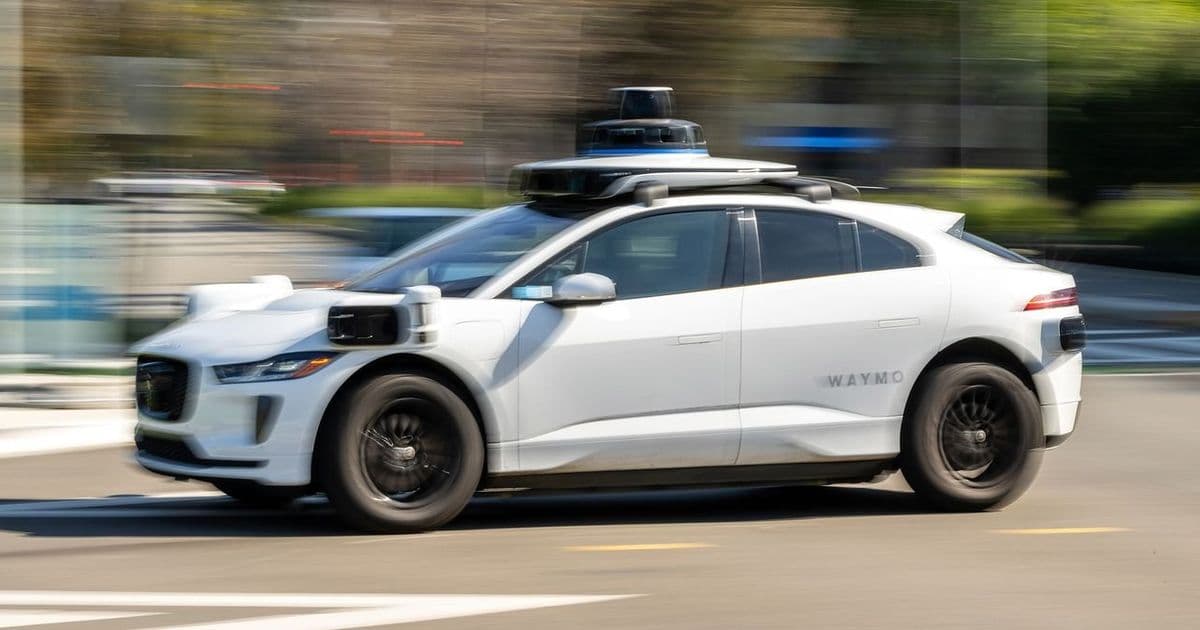
Waymo continues refining its age verification system to prevent minors from riding alone in autonomous vehicles, implementing new checks that have drawn mixed reactions from adult riders.
Waymo's ongoing refinement of its age verification system represents an interesting evolution in how autonomous vehicle operators are grappling with safety concerns in a largely unregulated space. The company's efforts to prevent riders under 18 from using its self-driving cars without adult supervision have intensified, with adult riders reporting new age-verification checks that suggest a more robust approach to this challenge.
The development comes as Waymo expands its autonomous ride-hailing services across more markets, increasing the likelihood of encountering younger users. While the company has maintained that safety remains its top priority, the implementation of these new checks raises questions about how autonomous vehicle companies will manage age verification in the absence of standardized regulations.
Community reactions to these measures appear divided. Some adult riders appreciate the additional safety precautions, particularly parents who worry about their children potentially accessing the service without proper supervision. "It's reassuring to know Waymo is taking steps to prevent minors from riding alone," one Phoenix-based rider commented in a local tech forum. "Those cars can be unpredictable, and I wouldn't want my teenager using one without me knowing."
However, others express concerns about privacy implications and the potential for age verification systems to create friction for legitimate adult users. "The new checks sometimes flag me as potentially underage, which is frustrating," another user reported. "I understand why they're doing it, but the process could be smoother."
Industry observers note that Waymo's approach reflects a broader pattern in autonomous vehicle development: companies implementing safety measures proactively rather than waiting for regulatory frameworks to catch up. "We're seeing this across the industry," explains Dr. Sarah Chen, a transportation safety researcher at MIT. "Operators are essentially creating their own standards for edge cases that regulators haven't yet addressed."
The effectiveness of such age verification systems remains a subject of debate. While technical solutions like facial recognition or account verification can deter casual underage use, determined minors may find ways to circumvent these measures. "No system is foolproof," notes cybersecurity expert Marcus Rodriguez. "The more sophisticated the verification, the more sophisticated the potential workarounds become."
From a business perspective, Waymo's cautious approach makes sense. The company cannot afford high-profile incidents involving underage riders, which could damage public trust and potentially lead to regulatory backlash. "Autonomous vehicles operate in a gray area when it comes to legal responsibility," explains tech analyst Jennifer Park. "Companies have strong incentives to implement safeguards that exceed current legal requirements."
Critics of the approach question whether such stringent age verification is necessary or proportional to the actual risks. "The focus on age restrictions seems disproportionate compared to other safety concerns," argues transportation ethicist David Kim. "We're placing significant emphasis on a relatively minor issue while potentially overlooking more pressing safety considerations."
Waymo has not specified the exact nature of its new age-verification checks, though the company has stated that it continues to "refine" its system over time. The approach appears to balance technological solutions with policy enforcement, though the precise details remain opaque to the public.
As autonomous vehicles become more prevalent, questions about appropriate usage policies will likely intensify. Waymo's experience with age verification may provide valuable insights for the broader industry as it navigates these complex issues. The company's willingness to adapt its approach based on real-world usage patterns suggests a recognition that autonomous vehicle safety requires continuous refinement rather than static solutions.
The evolving nature of these systems reflects the broader challenges facing autonomous transportation: balancing innovation with safety, addressing edge cases without creating excessive friction for legitimate users, and establishing standards in an environment where regulations lag behind technological capabilities. As Waymo continues to refine its age verification system, the company's approach may set precedents that other autonomous vehicle operators will follow.
Comments
Please log in or register to join the discussion