
Apple's WWDC 2026 introduced iOS 27 with Siri AI at the center, alongside Liquid Glass refinements and notable performance improvements. Readers weigh in on whether these changes move the needle.
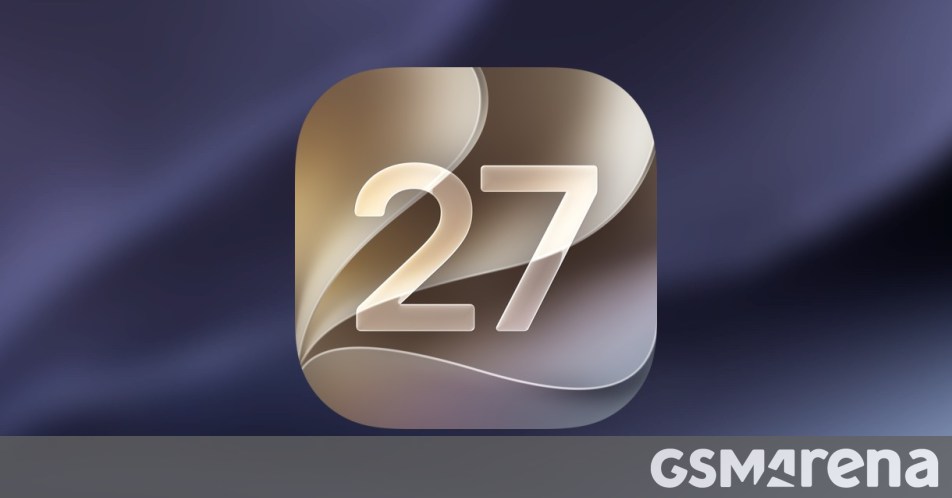
Apple wrapped up WWDC 2026 this week, and iOS 27 is the headline result. The update brings the most significant overhaul to Siri in years, builds on the Apple Intelligence platform, and addresses some of the design complaints that have followed the company since Liquid Glass debuted. We want to know what you think about the changes.
Siri AI takes center stage
The biggest announcement across all of Apple's platforms this week is the new Siri AI. This is not a minor refresh. Apple is positioning the next generation of Apple Intelligence as a foundational shift in how Siri operates, moves beyond voice commands, and handles multi-step tasks across apps.
The new Siri can maintain context across conversations, pull information from multiple apps simultaneously, and execute complex requests without requiring users to chain commands manually. For example, you can ask Siri to find a restaurant that matches dietary preferences, check your calendar for availability, and send a message to a contact, all in a single prompt. Apple demonstrated these capabilities on stage, and the company says the improvements are powered by on-device processing combined with cloud-based models when tasks demand more compute.
This matters because Siri has lagged behind competitors for years. Google Assistant and Samsung's Galaxy AI have offered more capable voice assistants for some time, and Apple needed a meaningful upgrade to stay competitive. The question is whether this version delivers on the promise or falls short like previous iterations.
Liquid Glass gets a second look
Apple's Liquid Glass design language has been controversial since it was introduced. Critics and users alike have pointed out legibility issues, inconsistent contrast, and a general visual heaviness that made some interfaces harder to navigate rather than easier. iOS 27 includes refinements aimed at addressing these concerns.
The company did not provide granular details on every adjustment, but early previews suggest Apple has dialed back some of the more aggressive transparency effects and improved text contrast across system apps. This is a pattern Apple has followed before. When iOS 7 introduced flat design, the initial release drew similar complaints, and Apple spent subsequent updates polishing the approach. iOS 27 appears to be doing the same thing for Liquid Glass.
Whether the fixes are sufficient will depend on individual users. If you stopped using certain apps or disabled features because Liquid Glass made them difficult to read, it is worth revisiting after the update.
Performance improvements you will actually notice
Apple made some specific performance claims during the keynote that are worth examining. The company says apps launch 30% faster on iOS 27. That is a significant number, especially for older devices where app launch times have become noticeably slower over recent years.
AirDrop transfers can be up to 70% faster, which addresses another long-standing pain point. Anyone who has tried to share a large video file between devices knows that AirDrop can be frustratingly slow, particularly with larger files. A 70% improvement would bring transfer speeds closer to what users expect from a wireless sharing feature in 2026.
Apple also mentioned optimizations to smooth out network transitions between Wi-Fi and cellular data. This is one of those features that goes unnoticed when it works and becomes immediately irritating when it does not. If you have ever been on a call that drops when you leave your house, or watched a video buffer as your phone switches networks, you know why this matters.
The ecosystem question
iOS 27 does not exist in isolation. It is part of a broader ecosystem update that includes iPadOS 27, macOS 27, watchOS 27, and visionOS 27. The Siri AI features are designed to work across these platforms, which means your iPhone, Mac, and other Apple devices can share context and hand off tasks.
This is where Apple's ecosystem lock-in becomes most apparent. If you own an iPhone and a Mac, the cross-device Siri capabilities make both more useful. If you have a mix of Apple and non-Apple devices, the benefits are limited. Apple is betting that the integration will keep existing users in the ecosystem and attract new ones.
The trade-off is clear: you get powerful, integrated features, but you are increasingly dependent on Apple's hardware and software working together. For users who value that integration, it is a net positive. For those who prefer flexibility, it is another reason to think carefully about platform choices.
How it compares
The question of whether iOS 27 is better than Android 17 does not have a straightforward answer. Android 17, which Google announced earlier this year, brings its own set of AI features, customization options, and performance improvements. The two operating systems continue to converge in some areas while diverging in others.
Android offers more flexibility in terms of hardware choices, sideloading, and customization. iOS offers tighter integration with Apple's hardware, more consistent updates across devices, and now a more capable Siri. The "better" choice depends on what you prioritize.
Your take
Apple is asking users to judge iOS 27 on its merits, and so are we. The update is substantial enough to warrant attention, but the real test will come when it reaches devices this fall.
What do you think of iOS 27? Is the new Siri AI enough to make a difference, or is it too little too late? Does the Liquid Glass refinement address your complaints, or does it need more work? And does the performance improvement matter to you in daily use?
Let us know in the comments.
Comments
Please log in or register to join the discussion